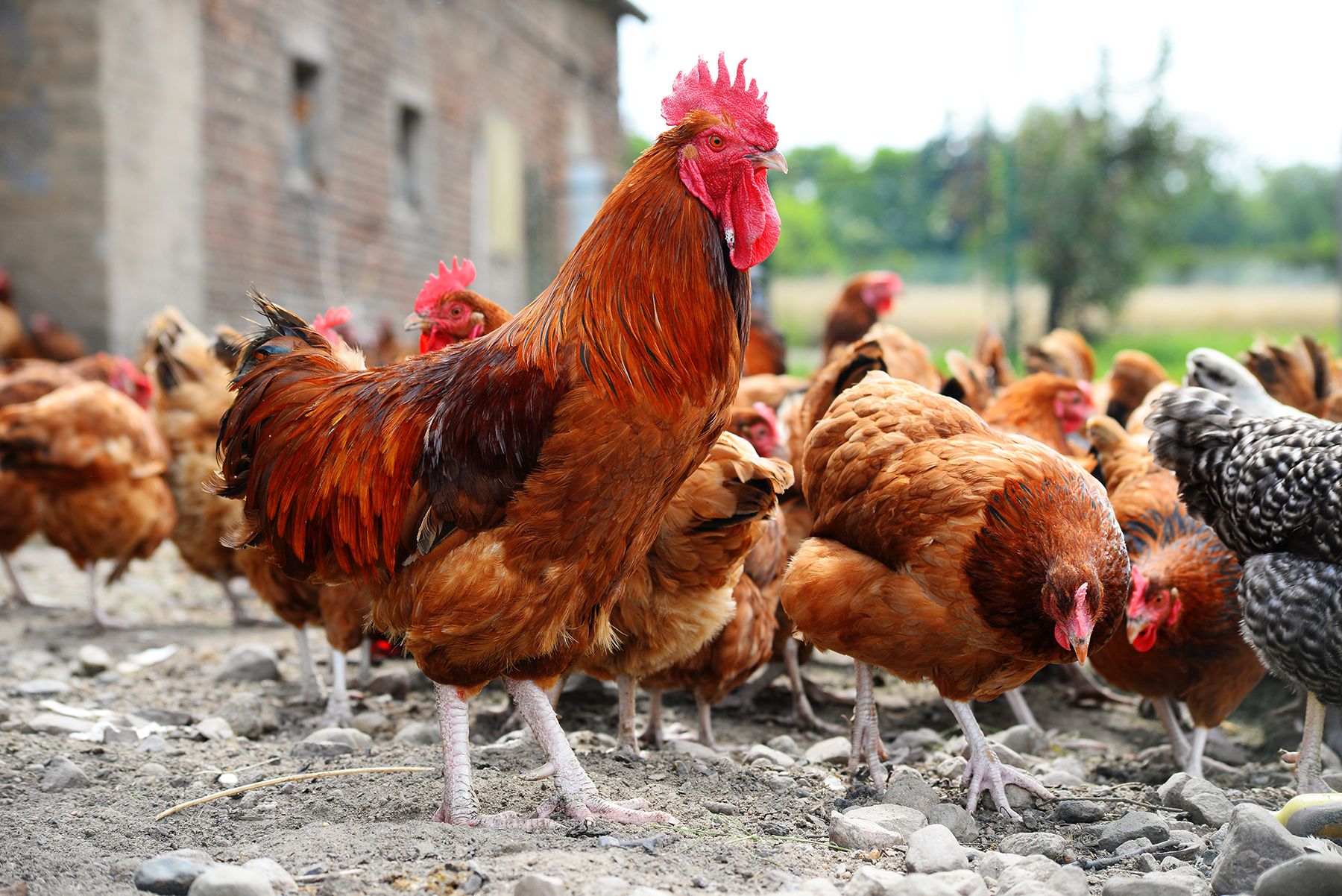
The role of grit in your poultry’s digestive system
Poultry do not have teeth to break down grains, seeds, grasses, and other fibrous foods. Instead, they rely on a specialized digestive system that includes the crop, proventriculus, and gizzard. The gizzard is a powerful muscular organ that uses small, hard particles to grind feed into manageable pieces.
Grit supports this natural process, but it is not a vitamin, medication, or substitute for a complete ration. The right type and size depend on the bird’s age, species, diet, and access to soil or pasture. Understanding those differences helps keep chicks, mature chickens, ducks, geese, turkeys, quail, and other poultry in better condition.
Healthy digestion begins with sound husbandry, including quality feed, fresh water, clean housing, and carefully handled birds. These principles are central to Premium Poultry Breeds’ standards, where stock selection and dependable care support poultry keepers at every experience level.
How grit works inside a bird
Grit is made of small, insoluble particles such as granite or flint. Birds swallow it, and the particles collect in the gizzard. As the gizzard contracts, the grit helps crush whole grains, seeds, insects, grasses, and other coarse material before it moves through the rest of the digestive tract.
Unlike soluble calcium sources, insoluble grit does not dissolve quickly. It remains useful until it becomes worn down and passes out of the digestive system. Birds gradually replace it by picking up fresh particles when they have free-choice access to a suitable supply.
When poultry need supplemental grit
Birds eating only commercial chick starter, grower feed, or layer pellets generally obtain food that is already soft and finely processed. They may need little or no extra grit while that is their entire diet. Once they receive whole grains, scratch, leafy greens, vegetables, mealworms, or forage, supplemental grit becomes more important.
Young chicks should receive appropriately sized chick grit when treats or outdoor foraging are introduced. A chick that has just arrived and is eating only starter feed does not need large adult grit. Mature chickens, turkeys, ducks, and geese usually require a coarser grade when consuming pasture plants or unprocessed grain.
Choosing the right type and size
Insoluble poultry grit is the primary product used for mechanical digestion. It should be clean, free of sharp contaminants, and sized for the bird. Fine chick grit suits young poultry, while growers and adult birds need larger particles that will remain effective in the gizzard.
Oyster shell, crushed limestone, and other soluble calcium products are often called grit in casual conversation, but they serve a different purpose. They help supply calcium for eggshell production and bone health. They do not replace insoluble grit for grinding food, and they should be offered separately so birds can select what they need.
Offering grit safely
Provide grit in a small, dry, covered container or hopper rather than mixing it into the main ration. Free-choice access allows birds to consume an appropriate amount, while separate placement prevents the grit from becoming wet, soiled, or difficult to distinguish from feed.
Inspect the supply regularly and replace it if it becomes contaminated with droppings, bedding, or mold. Grit should not be scattered in muddy areas, where it can disappear into the ground or become coated with waste. Fresh water remains equally important because digestion, crop movement, and nutrient absorption all depend on proper hydration.
Chicks and poults also need protection from chilling and drafts while their digestive systems develop. A correctly managed brooder, such as the setup described in these heated brooder plans, creates a stable environment for early feeding and growth.
Comparing common poultry supplements
The most useful way to avoid confusion is to separate products by their digestive function. The following guide shows where each material fits into a poultry care program.
| Material | Main purpose | Best use | Does it replace insoluble grit? |
|---|---|---|---|
| Chick grit | Grinding soft treats and small particles | Young chicks beginning forage or treats | Yes, for their age and diet |
| Grower or adult granite grit | Grinding whole grains and fibrous foods | Mature chickens, turkeys, ducks, geese, and game birds | It is the standard choice |
| Oyster shell | Calcium for eggshells and bones | Laying hens and other egg-producing birds | No |
| Crushed limestone | Calcium supplementation | Formulated poultry diets when appropriate | No |
| Natural soil and gravel | Limited access to digestive particles | Outdoor birds on clean, safe ground | It may be inconsistent or contaminated |
Signs that deserve attention
Grit alone will not correct every digestive problem. Birds with a blocked crop, persistent lethargy, weight loss, repeated regurgitation, diarrhea, or reduced appetite need prompt evaluation. A crop that remains full and hard or fails to empty overnight can indicate a more serious condition than a simple lack of grit.
Keep poisonous plants, moldy feed, plastic, string, and other foreign materials away from poultry. Free-ranging birds may swallow objects that cannot pass normally, and adding extra grit will not resolve an obstruction. When symptoms continue, consult an avian or livestock veterinarian instead of relying on supplements.
Simple grit management practices
A dependable routine makes this part of poultry care easy to manage:
- Offer insoluble grit separately from feed, using a clean, weather-protected container.
- Match particle size to the age and species of the birds.
- Provide chick grit when young poultry begin eating treats, whole grains, or forage.
- Keep oyster shell in a separate feeder for laying birds that need additional calcium.
- Replace damp or contaminated grit and monitor birds for changes in appetite, droppings, or body condition.
Ducks and geese often consume more fibrous vegetation than confined chickens, while turkeys and pheasants may eat larger seeds and insects. Quail can require appropriately fine particles because of their smaller size. Adjust the grade and availability to the feeding habits of each group rather than using one product for every enclosure.
Build digestion into everyday care
Grit works best as one part of a complete management plan. Balanced feed, clean water, safe forage, suitable housing, and gradual diet changes all help the gizzard and the rest of the digestive tract function normally. Birds should also have enough space to eat without excessive competition, especially in mixed flocks.
Make insoluble grit a regular consideration whenever poultry receive whole foods or outdoor access. Choose a reliable product, keep it fresh, and observe how your birds respond to their diet. With these simple practices in place, you can support stronger digestion and healthier growth across the flock.