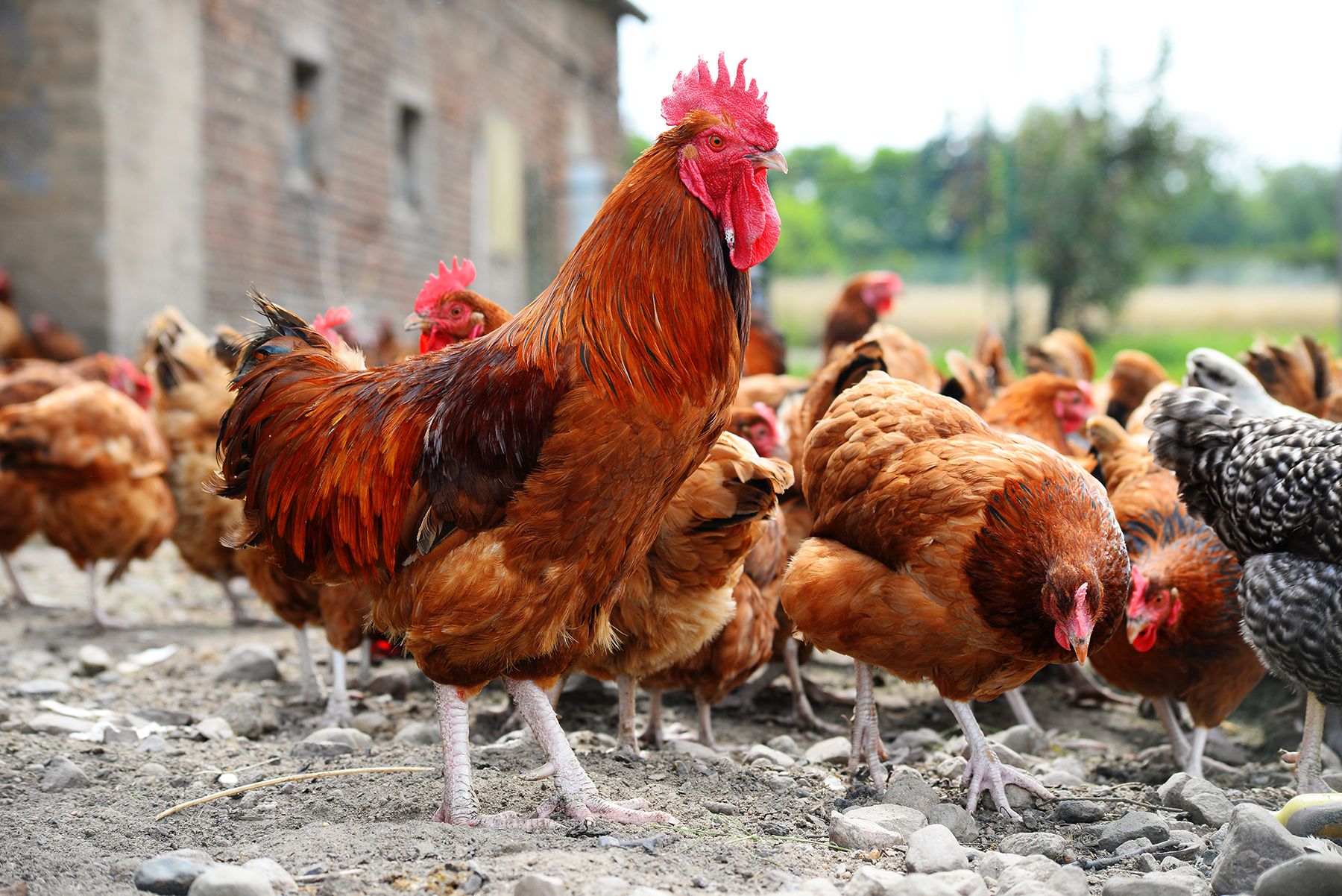
The pros and cons of keeping chickens, ducks, and turkeys together
A mixed poultry flock can bring variety, personality, and practical value to a homestead. Chickens scratch through bedding, ducks forage around wet areas, and turkeys add size and character to the farmyard. Keeping these species together may also simplify daily chores when space, fencing, and shelter are planned carefully.
However, different birds do not have identical nutritional, behavioral, or health requirements. A peaceful-looking flock can still experience bullying, contaminated water, disease transmission, or competition at feeders. The best results come from treating a mixed flock as a managed system rather than simply placing several species in one enclosure.
The decision depends on the birds’ ages, breed temperament, available acreage, climate, and ability to provide separate areas when necessary. Understanding the benefits and drawbacks makes it easier to create a safer environment for both poultry and keepers.
Why homesteaders combine poultry species
Chickens, ducks, and turkeys can use the same pasture in complementary ways. Chickens tend to scratch and search for insects, while ducks enjoy grazing, slug hunting, and exploring damp ground. Turkeys often range farther and can make efficient use of larger paddocks. This division of behavior may reduce pressure on one part of the land.
A shared flock can also be convenient for small farms. One perimeter fence, a common predator-deterrent system, and a coordinated daily routine may reduce infrastructure costs. Mixed poultry breeds can create a lively setting for families, breeders, and hobby farmers who value observing different species.
Yet convenience should not mean identical care. Each species still needs suitable feed, dry resting space, clean water, and room to retreat from more assertive flock members.
Benefits of a diverse flock
One clear advantage is better use of outdoor space. Ducks are comfortable around water features that chickens may avoid, while turkeys can take advantage of open grassland. With thoughtful rotation, the birds can help manage insects and weeds without relying entirely on chemical treatments.
A varied flock may also improve the resilience of a smallholding. If one species has a seasonal decline in egg production, another may continue laying or provide meat, breeding stock, or pest-control value. Heritage chickens, waterfowl, and turkeys each contribute different qualities to a self-sufficient poultry plan.
There is an educational benefit as well. Raising several kinds of birds helps keepers recognize species-specific behavior, body condition, feeding habits, and signs of illness. That knowledge is particularly useful for anyone considering additional poultry, such as juvenile quail, in a separate, carefully managed enclosure.
Health and behavior concerns
The most important concern is disease management. Turkeys can be especially vulnerable to blackhead disease, which may be carried by chickens through soil and feces without obvious symptoms. For that reason, many experienced keepers house turkeys separately from chickens or maintain strict pasture rotation and sanitation practices.
Ducks create a different challenge because they produce very wet manure and can turn drinking areas into mud. Damp bedding encourages bacterial growth and attracts flies. Chickens may struggle in persistently wet conditions, while turkeys need clean, dry areas to protect their feet and respiratory health.
Size and temperament also matter. A large turkey can accidentally injure a smaller chicken, particularly during breeding season or disputes near feed. Drakes may harass hens or other birds, and crowded conditions can intensify aggression. Young birds should never be introduced without considering age, weight, sex, and the escape options available to smaller flock members.
Housing, water, and space requirements
A shared outdoor run can work when it includes dry ground, shaded areas, multiple feeding stations, and visual barriers. The shelter should have good ventilation without drafts, absorbent bedding, and enough roosting or resting space for each species. Ducks generally prefer low sleeping areas, chickens need elevated roosts, and turkeys require strong, stable perches or floor-level arrangements depending on their size and breed.
The following comparison highlights why one universal setup rarely meets every need:
| Requirement | Chickens | Ducks | Turkeys |
|---|---|---|---|
| Preferred resting area | Elevated roosts | Dry floor bedding | Strong perches or floor space |
| Main water concern | Clean drinking water | Splashing and muddy ground | Clean water with easy access |
| Typical space pressure | Crowding near roosts and feeders | Wet litter and puddles | Large body size and ranging needs |
| Key health consideration | Respiratory and intestinal disease | Foot health and sanitation | Blackhead risk and respiratory health |
| Useful housing feature | Secure nesting boxes | Low-entry shelter | Wide doors and sturdy structures |
Separate nighttime housing is often the safest compromise. Birds can share a pasture during supervised periods but sleep in species-appropriate areas. Keeping feed and water stations apart also reduces crowding and allows each bird to eat without being displaced.
Feeding and flock management
A mixed flock should not automatically receive one all-purpose ration. Growing turkeys need higher protein than adult laying chickens, while ducks may require feed formulated for waterfowl. Medicated chicken feed can also be unsuitable for some ducks and other species, so labels and veterinary guidance deserve careful attention.
Offer several feeders at different heights and positions. This reduces competition and helps smaller birds access food. Waterers should be deep enough for ducks to rinse their bills but designed to limit splashing near bedding. Positioning them over gravel, wire, or a washable surface can greatly improve sanitation.
Quarantine new arrivals before they meet established birds. Observe appetite, droppings, breathing, mobility, and general condition for a suitable period, and clean equipment between groups. Reliable sourcing and careful handling from the beginning can reduce the risk of introducing illness to a healthy flock.
Practical steps for safer mixed-flock keeping
Before combining species, build a routine around prevention rather than reacting to injuries or disease. The following measures are especially useful:
- Provide separate shelters or partitions so birds can be isolated quickly.
- Use multiple feeders and drinkers to prevent crowding and resource guarding.
- Keep duck water away from chicken and turkey sleeping areas.
- Quarantine new birds and monitor them before introduction.
- Check the flock daily for limping, feather loss, respiratory signs, or bullying.
Start introductions gradually through a fence or partition. Short supervised sessions are safer than releasing unfamiliar birds together for an entire day. If one species repeatedly chases, mounts, or injures another, permanent separation is more responsible than trying to force compatibility.
When separate housing is the better choice
Separate housing is strongly advisable when turkeys are present in an area with a known blackhead risk, when the flock includes very small birds, or when the available ground becomes muddy and overcrowded. It is also practical during breeding season, quarantine, illness, and the early stages of raising poults, ducklings, or chicks.
A split system does not eliminate the advantages of a diverse poultry collection. Birds can still rotate through pasture at different times, share predator protection, and remain part of one farm management plan. This arrangement often offers better control than a permanently combined flock.
For many keepers, the ideal setup is flexible rather than absolute: shared ranging where appropriate, separate feeding and sleeping spaces, and immediate access to isolation housing. Review the flock regularly as birds grow, mature, and establish new social dynamics. With suitable housing, sanitation, and observation, a mixed poultry yard can become a productive and enjoyable part of a well-run homestead. Explore healthy poultry options and plan each addition with the space and care requirements it deserves.