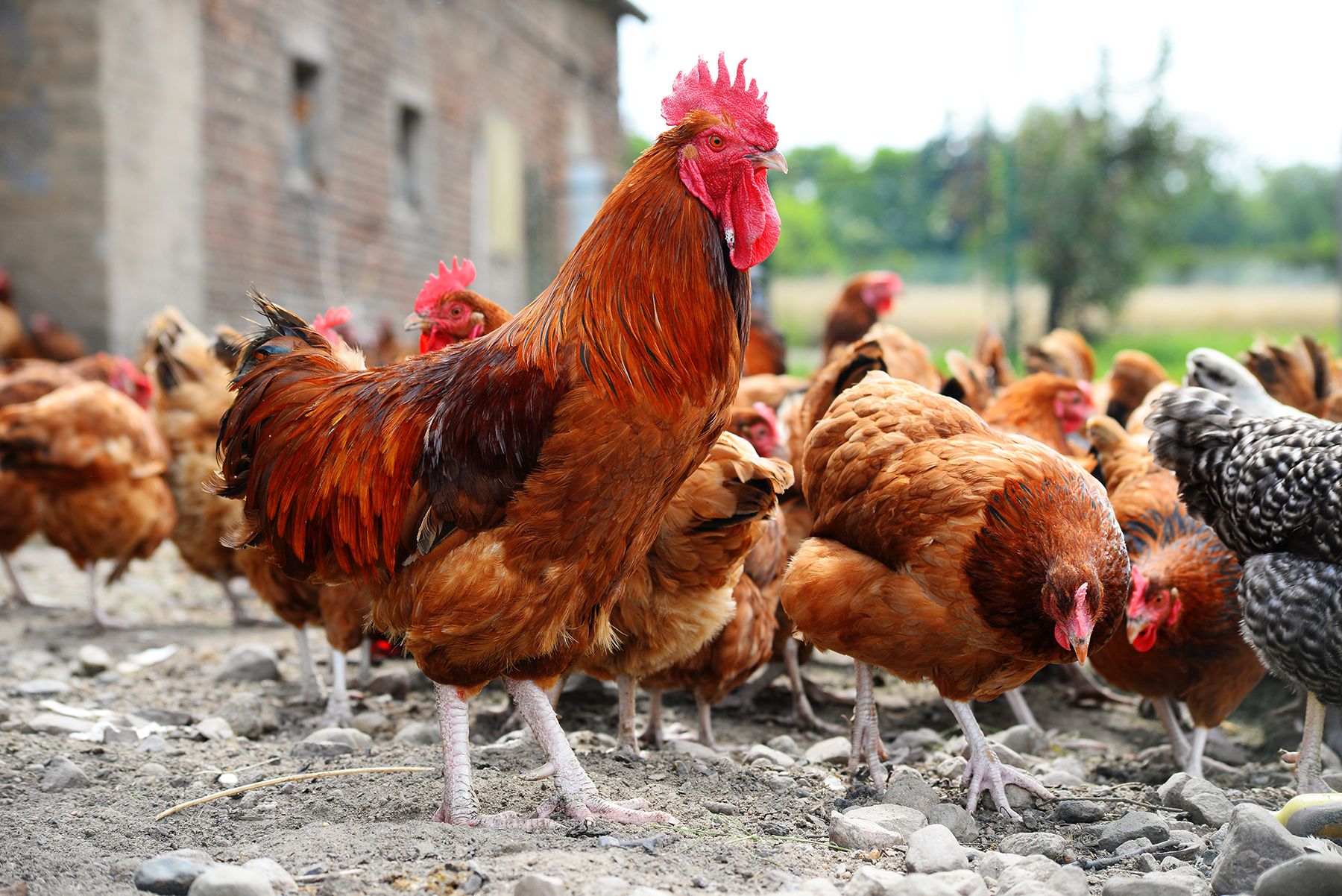
Free-Ranging Heritage Chickens In Australian Conditions
Heritage chickens bring character, useful behaviour and valuable genetic diversity to a backyard flock. Their slower growth, natural foraging instincts and distinctive egg colours can make them especially rewarding for Australian homesteaders, hobby farmers and breeders. Allowing them to roam can support healthier activity and more natural flock behaviour, although it requires thoughtful planning.
Free-ranging means different things on different properties. A flock may explore a suburban garden in Melbourne, move through an orchard near Toowoomba or range over several paddocks outside Adelaide. The right system depends on climate, predators, local regulations, neighbouring properties and how much time is available for daily supervision.
Natural Behaviour And Better Welfare
Heritage breeds generally enjoy scratching through leaf litter, dust bathing, pecking at grasses and searching for insects. This activity can reduce boredom and encourage stronger legs and feet than a confined routine. Access to sunlight and varied ground may also support natural social behaviour, provided shade, shelter and clean water are always available.
A free-range environment can be particularly beneficial for breeds selected for hardiness and active foraging. Chickens may find grass seeds, beetles and fallen fruit, reducing dependence on purchased feed without replacing a nutritionally balanced ration. During a dry Australian summer, however, pasture can offer little food, so pellets, grains and calcium sources remain essential.
Free movement also reveals useful breeding traits. Birds that remain alert, maintain body condition and cope well with local weather may be valuable additions to a heritage breeding programme. Healthy stock should still be monitored for weight, parasites, injuries and signs of heat stress.
The Costs Of Open Access
The main disadvantage is exposure to predators. Foxes are common across rural and peri-urban Australia, while cats, goannas, snakes and roaming dogs can threaten smaller birds or young chicks. Even in suburbs such as Brisbane or Perth, a flock can disappear quickly if fencing is low, gates are left open or birds range beyond the property boundary.
Egg production may become less predictable when hens choose hidden nesting sites. Eggs left under shrubs can be cracked, spoiled or taken by rats and snakes. Free-ranging birds may also damage vegetable beds, scratch around young plants and spread mulch across paths. A rotational system, temporary poultry netting or a designated orchard area can protect both chickens and garden beds.
There are financial and legal considerations as well. Replacing birds lost to predators, repairing fencing and treating injuries can cost more than expected. Councils in areas such as Sydney and Melbourne may have rules covering poultry numbers, roosters, nuisance and enclosure standards. Check local requirements before expanding a flock, particularly in residential zones.
Managing Australian Weather And Biosecurity
Heat is a serious concern for outdoor poultry. In inland New South Wales and Queensland, temperatures can rise sharply, and dark-feathered birds may struggle without deep shade, airflow and several cool water points. Trees, covered shelters and early-morning access to pasture help, while electrolytes may be useful during periods of severe heat when used according to product directions.
Wet conditions create a different set of problems. Muddy ground encourages foot issues, parasites and contaminated drinking water, especially during a La Niña season or after heavy coastal rain. Rotating access areas and keeping feeders beneath cover can improve hygiene. After bushfire smoke, flooding or other local emergencies, birds may need temporary confinement until the air, soil and water are safe.
Biosecurity should remain part of any free-range plan. Limit contact with wild waterfowl, quarantine new birds and clean footwear between pens. If the property also houses ducks or geese, separate feeding and resting areas can reduce contamination risks; keep juvenile ducks in a secure, supervised space while they grow and develop stronger immunity.
Protecting A Valuable Flock
A secure night shelter is essential, even when birds range during the day. Use strong welded mesh rather than ordinary chicken wire, bury the lower edge where foxes may dig and fit reliable latches. Automatic doors can help owners who commute from Canberra or regional towns, but they should be checked regularly rather than trusted without inspection.
Free-ranging does not have to mean unrestricted access from sunrise to sunset. A covered run attached to the coop can provide a safer compromise, while supervised sessions in a larger area allow birds to forage under observation. Some keepers use a movable electric poultry fence to rotate heritage chickens through pasture and reduce pressure on one patch of ground.
Bird identification also matters for breeders and mixed flocks. Leg bands, records of parentage and regular health checks make it easier to track laying performance, age and temperament. Keep roosters under control where neighbours are close, and avoid allowing birds to cross roads, enter native wildlife areas or mingle with another keeper’s flock.
Making The Choice For Your Property
The best approach balances welfare with practical risk management. A small block near Hobart may support daytime ranging through a fenced garden, while a dry farm outside Mildura may require shade houses and carefully managed access to limited pasture. Local predator pressure, rainfall, fencing and household routines matter more than a general rule about keeping chickens inside or out.
The Australian poultry market also rewards healthy, well-presented birds, but appearance should never replace sound management. Heritage chickens intended for breeding, poultry shows or sale need a reliable diet, parasite control and records regardless of whether they free-range. Birds sold through local markets or poultry clubs should be healthy, calm and accustomed to appropriate handling.
| Consideration | Free-Range Benefits | Free-Range Risks | Practical Response |
|---|---|---|---|
| Exercise | More movement and natural behaviour | Injuries or overexertion | Provide varied but secure ground |
| Feeding | Insects, grass and fallen produce | Seasonal food shortages | Supply complete feed year-round |
| Predator control | Natural environment and stimulation | Foxes, dogs, cats and snakes | Use strong fencing and lock birds up nightly |
| Egg collection | Hens can choose quiet nest sites | Hidden or spoiled eggs | Offer attractive nest boxes and inspect daily |
| Weather | Sunlight and outdoor activity | Heat, storms, smoke and flooding | Provide shade, shelter and contingency housing |
| Garden management | Useful for orchard pest control | Scratching and crop damage | Rotate areas and protect vegetable beds |
Daily management priorities
- Refresh water and check drinkers for algae or contamination
- Count birds and inspect feet, feathers and body condition
- Collect eggs from nest boxes and likely hiding places
- Check fences, gates, latches and signs of predator activity
Signs the system needs adjustment
- Birds pant heavily or crowd into shade
- Pasture becomes bare, muddy or heavily fouled
- Hens stop laying in accessible nest boxes
- Neighbours report noise, escaped birds or garden damage
Free-ranging can give heritage chickens a richer and more natural life, but it works best as a managed system rather than complete freedom. Start with a secure daytime area, observe how the flock uses it and expand gradually as fencing, shade and predator controls prove reliable. Premium Poultry Breeds can help Australian keepers choose healthy birds suited to breeding, small farms and enthusiastic backyard management.