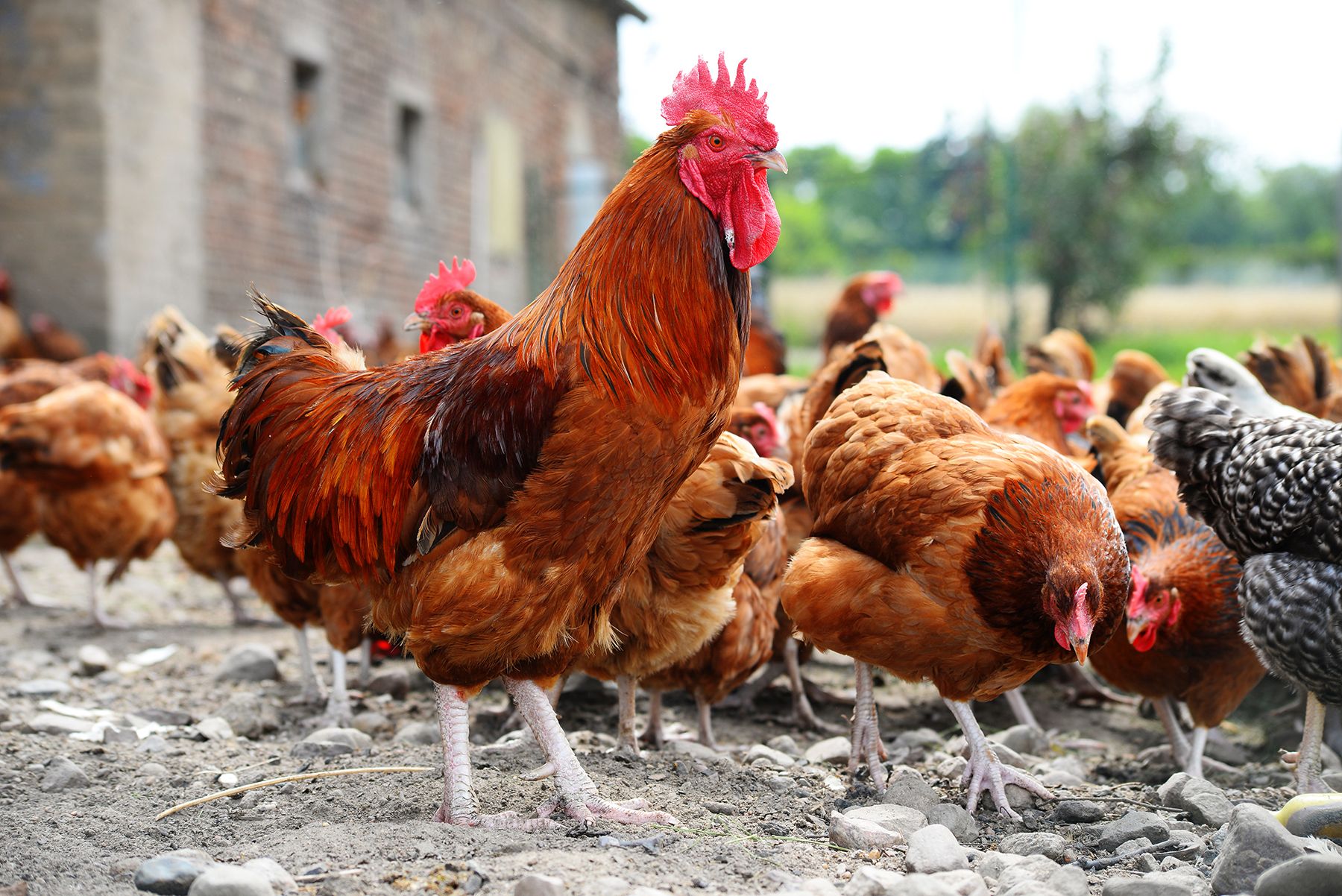
Free-ranging peafowl on Australian acreage: pros and cons
Free-ranging peafowl bring colour and lively interest to an Australian smallholding. They spend the day walking, foraging and exploring soil, seeds, insects and vegetation. For homesteaders and hobby farmers, that activity can be rewarding, especially where boundaries are safe and a night shelter is available.
The collective term peafowl covers the birds: a peacock is a male, a peahen is a female, and young birds are fledglings. They are attractive visitors in a mixed poultry yard, and their manure returns some nutrients to pasture. They remain dependent on balanced feed, clean water and health care.
Australian weather strongly affects the result. Perth can experience intense dry heat, Brisbane humid summers and Melbourne sudden warm spells; inland districts may face frost, drought and unreliable rainfall. Foxes, feral cats, dogs and birds of prey threaten chicks and adult birds.
The decision depends on acreage, fencing, shelter, labour and neighbours. A flock that seems easy to manage from a distance still needs daily checks. Letting peafowl roam freely therefore involves both opportunities and substantial responsibility.
Benefits for the property
Free-ranging birds forage over more ground than coop-bound poultry, selecting insects, fallen grain, weeds and tender shoots. This can reduce some feed waste and add activity to a paddock, although gardens and young crops may need protection. Their manure supports soil fertility, though the contribution is smaller than that of larger livestock and does not replace soil testing.
A breeding pair can produce chicks or hatching eggs, while mature males provide striking plumage and displays. These benefits suit breeders, educators and enthusiasts, but males may defend display areas, peahens need sheltered nests and chicks require quiet cover.
Fencing and predator pressures
Although they forage on the ground, peafowl can fly, jump and roost in trees. Fencing should be stronger and taller than basic poultry netting, with secure latches and no gaps under gates. Check limbs, sheds and other structures that could provide escape routes.
Foxes and feral cats threaten adult birds; dogs and eagles may take chicks. A sturdy night house, protected run and daily count are more reliable than an open paddock alone. Design the system for local predator pressure rather than a generic free-range label.
Acreage near Sydney, Melbourne, Brisbane or Perth may border parks, remnant bushland or busy roads. Inspect the boundary, remove loose wire and plan for recapture. Agree neighbour contact details, since contained birds are easier to defend and recover.
Heat, shelter and Australian seasons
Reliable shade, cool water and a dry resting place are essential in hot weather. Trees or shade cloth help, while humidity in Brisbane, heat in Perth and variable Melbourne conditions make observation more useful than a fixed schedule.
Shelter should break wind, rain and frost, especially for young birds. Provide a dry, draught-free night house with ventilation, keep it away from smoke and chemicals, and suspend outdoor access during storms or heatwaves, and when the ground is saturated.
Noise, neighbours and legal checks
Peafowl may be quiet for stretches, but males can make sharp calls during breeding and at dawn. Displays and repeated alarms can disturb neighbours on small suburban blocks. Speak with residents early, contain birds near shared boundaries and check council or shire rules.
Rules may cover poultry numbers, fencing, welfare and roadside access, with state and territory requirements differing. Importers should confirm current Australian Customs and Department of Agriculture, Fisheries and Forestry import conditions. Quotes from local poultry suppliers can clarify freight and gate-fee costs in the local market, but not replace regulatory checks.
Feed, health and biosecurity
A roaming diet still needs a balanced poultry ration, clean water, grit where appropriate and mineral or protein support based on expert guidance. Protect feed from rats, dampness and wild birds; watch body condition, droppings, feet and feathers. Rotating rested paddocks can reduce parasite pressure and soil damage.
Quarantine new arrivals before they join established birds. Investigate respiratory problems or parasites promptly and consult an avian or poultry veterinarian. Disease can spread through wild birds, dirty equipment or neighbouring poultry. Juvenile quail can fit a mixed collection, but each species needs suitable housing and feed.
Choose breeding birds for health and temperament, not colour alone, and record age, sex and parentage where possible. A small, observed flock is easier to assess than a sudden purchase of many birds and helps new keepers learn local peafowl behaviour.
Comparing the options
Free-ranging peafowl suit acreage with secure boundaries, predator protection and time for daily keeper checks. They allow natural foraging and display, but expose birds to weather, wildlife, theft and escape. Enclosed or semi-free-range systems require more built space, while making breeding, veterinary care and containment easier to control.
A large daytime paddock with a secure night house offers a practical compromise. Rotational runs preserve grass and reduce parasites while allowing foraging. Weigh egg needs, noise, family participation, stocking density, fencing cost and how many birds you can inspect daily.
| Factor | Free-ranging peafowl | Enclosed or rotational system |
|---|---|---|
| Behaviour | More foraging and display | Less open roaming |
| Predators | Higher risk without overnight protection | Easier to secure at night |
| Land | Secure acreage and rotation | More built space per bird |
| Care | Checks cover roaming, feed and fences | Feeding and inspection are predictable |
| Breeding | Protected nests and chicks needed | Nests and broods easier to monitor |
| Neighbours | Calls may carry beyond the boundary | Easier to contain |
Choose a system suited to your acreage, climate, fencing budget and daily commitment. Browse Premium Poultry Breeds for healthy stock and select birds suited to your conditions.