The Lifespan of Common Poultry Breeds
Poultry can remain part of a homestead, breeding program, or backyard flock for many years, but longevity varies widely by species, breed, genetics, and management. A productive laying hen, a heritage turkey, and a peafowl may have very different natural life expectancies.
Understanding the typical lifespan of domestic poultry helps owners plan housing, feed, breeding groups, veterinary care, and flock replacement. It also clarifies why an animal may live longer as a companion or breeder than it would in an intensive production system.
What influences poultry longevity
Breed heritage is one of the strongest factors affecting lifespan. Heritage chickens and slower-growing lines often mature gradually and may remain healthy for longer than highly selected commercial birds bred for maximum egg or meat production. Bantams can also be surprisingly long-lived when protected from predators and provided with suitable nutrition.
Daily care matters just as much. Clean water, a balanced ration, dry bedding, good ventilation, parasite control, and protection from extreme weather reduce preventable illness. Secure fencing and covered runs are especially important because accidents and predator attacks can shorten a bird’s life far more quickly than age-related decline.
Chicken and bantam life expectancy
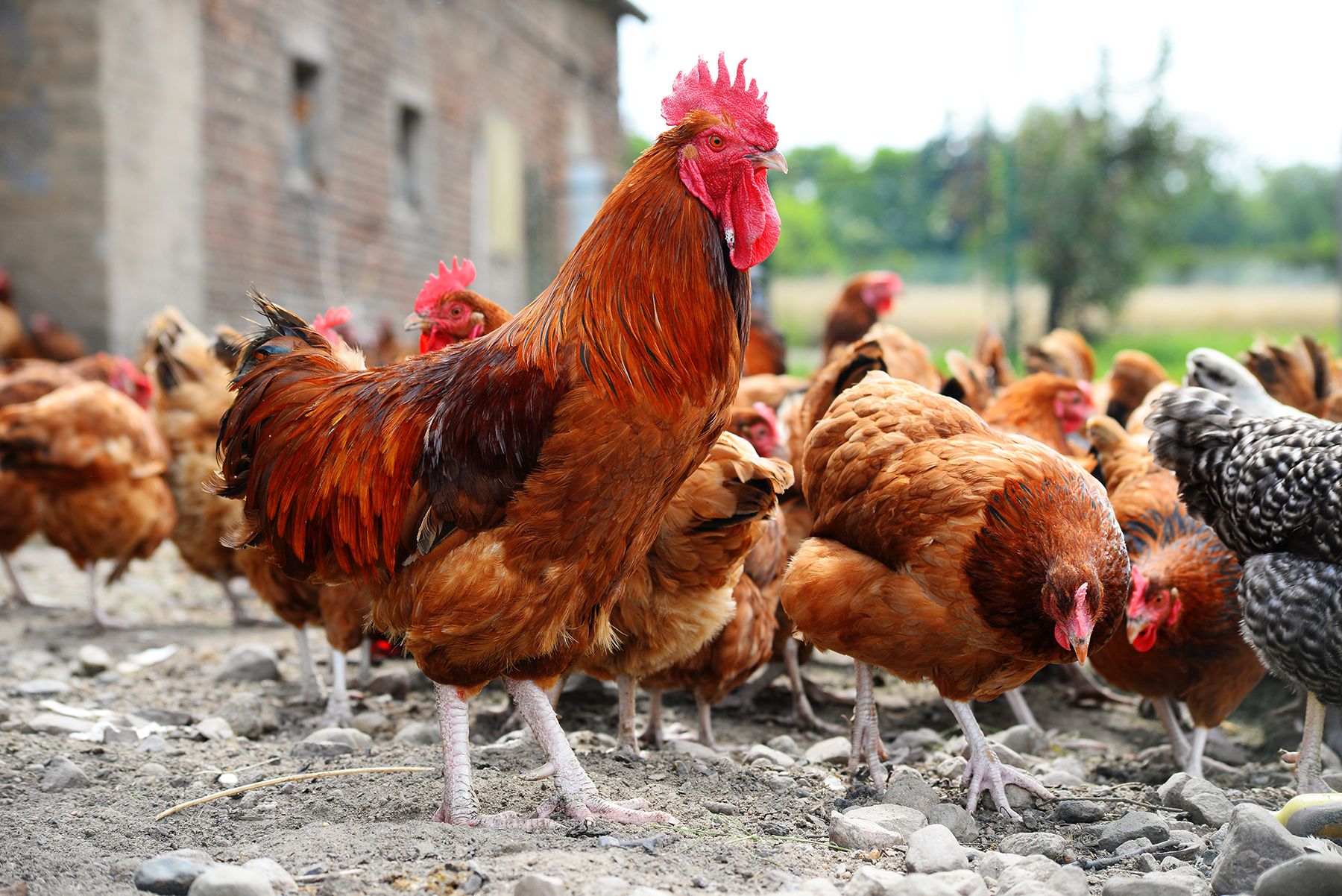
Most well-managed chickens live between five and ten years, although some heritage hens and roosters reach twelve years or more. Egg production usually peaks during the first two or three years and then gradually declines, even when the bird remains active and healthy. A reduced laying rate should not automatically be viewed as a sign of illness.
Bantam chickens commonly have a similar or slightly longer lifespan than large fowl, often reaching seven to ten years. Their small size makes them appealing for limited spaces, but they still need protection from damp conditions, bullying, and cold. Breeding birds should be selected for sound legs, strong fertility, and a history of good health.
Ducks, geese, and turkeys
Domestic ducks generally live eight to twelve years, with hardy breeds sometimes exceeding that range. Muscovy ducks and several heritage breeds can become especially long-lived when they have access to clean water, appropriate shelter, and a diet that prevents obesity. Heavy laying and repeated breeding can place additional strain on the body.
Geese are among the longest-lived common farm birds. Many reach fifteen years, and some well-cared-for individuals live beyond twenty. Their slower growth and sturdy constitution support longevity, but they require enough grazing space, secure night housing, and companionship. Domestic turkeys often live five to ten years, though broad-breasted meat strains may have shorter lives because of leg and cardiovascular problems.
| Poultry type | Typical lifespan | Main factors affecting longevity |
|---|---|---|
| Heritage chicken | 8–12 years | Genetics, predator protection, reproductive health |
| Commercial laying hen | 3–7 years | High production, housing, nutrition |
| Bantam chicken | 7–10 years | Cold protection, safe housing, breed health |
| Domestic duck | 8–12 years | Water quality, weight control, parasites |
| Goose | 15–20 years | Grazing, exercise, social conditions |
| Domestic turkey | 5–10 years | Body size, leg health, diet |
| Coturnix quail | 2–5 years | Stress, breeding intensity, temperature |
| Pheasant | 3–6 years | Aviary space, disease prevention |
| Peafowl | 12–20 years | Climate, shelter, nutrition, predator control |
Quail and pheasant longevity
Quail have a shorter natural lifespan than many larger poultry species. Coturnix quail commonly live two to five years, while carefully managed breeding birds may remain productive for several seasons. Their rapid growth and early maturity are useful for small-scale egg production, but high breeding pressure, overcrowding, heat, and poor ventilation can reduce their health span.
Owners bringing in young birds should provide a calm transition, correct brooder temperatures, and protection from drafts. Healthy juvenile quail can establish a stronger start when they receive age-appropriate feed, fresh water, and enough space to exercise. Pheasants generally live three to six years in managed settings, although secure aviaries and low-stress conditions can support longer lives.
Peafowl and other ornamental birds
Peafowl are a long-term commitment, with a typical lifespan of twelve to twenty years. They mature slowly, require substantial space, and benefit from tall, secure roosting areas. Good drainage and shelter are essential because prolonged dampness can contribute to respiratory and foot problems.
Ornamental poultry often live longer when they are kept primarily as display or breeding birds rather than pushed for rapid production. Quail, pheasants, and peafowl should be housed according to their behavioral needs, including opportunities to perch, forage, dust-bathe, or retreat from flock pressure.
Supporting a healthy, productive flock
A bird’s calendar age is only part of the picture. Body condition, feather quality, mobility, appetite, reproductive history, and behavior provide better clues about its current wellbeing. Regular observation makes it easier to identify subtle changes before they become serious.
Use these practices to support a longer poultry lifespan:
- Provide species-appropriate feed with reliable protein, minerals, and calcium where needed.
- Keep housing dry, ventilated, predator-resistant, and spacious enough to reduce aggression.
- Quarantine new arrivals before introducing them to an established flock.
- Schedule routine parasite checks and seek veterinary advice for persistent symptoms.
- Select breeding stock for vitality, structure, fertility, and disease resistance rather than appearance alone.
Planning for every stage of life
Young poultry need warmth, protection, and carefully managed nutrition, while mature birds need adequate space and a diet matched to their activity and reproductive status. Older birds may benefit from easier access to food and water, lower perches, softer bedding, and separation from aggressive flock members.
Planning ahead also makes it easier to maintain breeding groups without overworking individual birds. Keep basic records of hatch dates, parentage, health concerns, egg production, and losses. These details help identify dependable bloodlines and make future poultry purchases more purposeful.
Whether you are building a heritage flock, raising ornamental birds, or supplying a small homestead, choose healthy stock from a careful source and prepare the right environment before arrival. Explore suitable live poultry and hatching options at Premium Poultry Breeds to give each new bird the best opportunity for a long, healthy life.