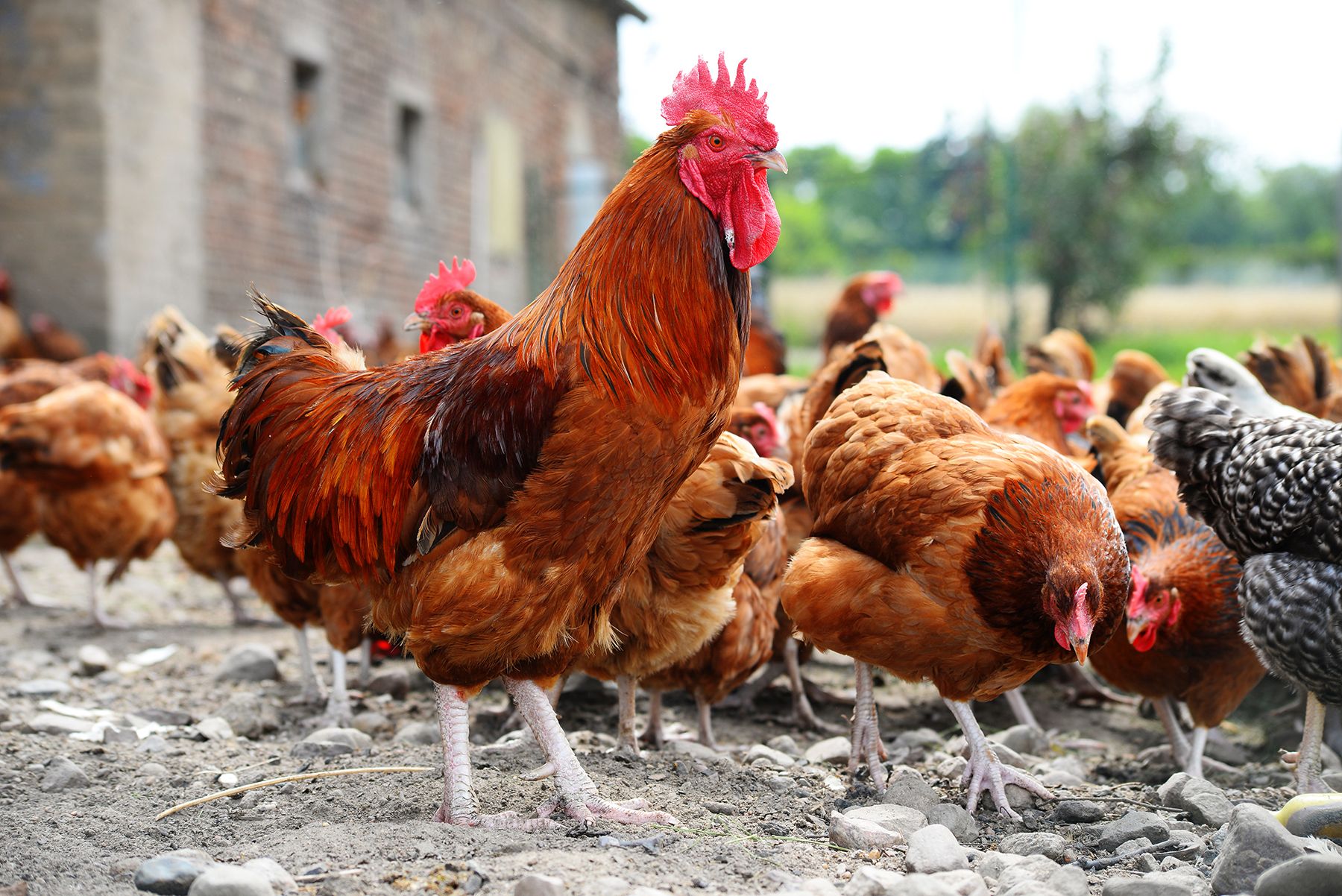
The lifespan and egg production window of bantam breeds
Bantam describes a size category rather than a single breed. It includes Japanese bantams, Silkies, Seramas, Dutch bantams, Orpington bantams and many others. Their small bodies make them practical for suburban yards, while their varying egg output and longevity suit keepers with different goals, from exhibition birds to steady backyard layers.
A productive laying life is not the same as a long lifespan. Many bantams lay well for two or three years, then continue living for several more with reduced output. Genetics, body condition, daylight, disease pressure and housing all influence this period, so individual results can differ considerably from published breed averages.
Australian keepers also face a distinct combination of conditions. Summers can be intense in Brisbane and Adelaide, predator pressure is significant in many districts, and Sydney, Melbourne and Brisbane councils impose local rules on poultry housing. Choosing birds suited to these conditions is more reliable than relying on a breed’s reputation alone.
| Bantam breed | First eggs | Indicative annual eggs | Strong laying years | Cared-for lifespan |
|---|---|---|---|---|
| Japanese bantam | 18–22 weeks | 120–180 | 2–3 | 6–8 years |
| Silkie | 20–24 weeks | 100–150 | 2–3 | 5–7 years |
| Serama | 18–22 weeks | 100–160 | 2–3 | 5–7 years |
| Dutch bantam | 18–22 weeks | 120–180 | 2–3 | 5–7 years |
| Orpington bantam | 20–24 weeks | 100–150 | 2–3, sometimes 4 | 6–8 years |
Egg production begins with maturity
Most bantam pullets begin laying between 18 and 24 weeks, although some Serama and Japanese bantam lines mature earlier. Earlier laying does not always mean higher lifetime output. A smaller bird that starts early may retain a lighter frame and produce fewer eggs than a slightly larger, later-maturing pullet.
Feed quality has a direct effect on the start and strength of laying. Pullets need a balanced diet with adequate protein, calcium, vitamins and minerals, but excessive supplements can cause problems. Day length also matters: birds hatched during shorter winter days may mature later than those benefiting from longer spring daylight.
Peak output changes with the seasons
The first laying cycle usually produces the strongest results, often with approximately 80 to 90 percent of the hens laying on a given day. Production then fluctuates around moulting, weather changes and daylight hours. A temporary decline is normal, particularly during a hard moult or prolonged wet weather.
Heat is a greater concern across northern and inland Australia. During hot weather in Brisbane, Darwin or Adelaide, hens may eat less and pause laying. Shade, cool drinking water, ventilation and a protected night roost can preserve egg quality and help prevent heat stress.
How long bantams keep laying
The most useful production window is generally the first two to three laying years. Some well-kept hens continue producing acceptable numbers into a fourth year, while others decline sharply after their first moult. Breeding strain, disease resistance and nutrition explain much of this variation.
A six-year-old bantam may still lay several eggs each week, but these should not be treated as a dependable supply. Flock planning based on younger pullets is usually more effective than relying on older birds. For breeding projects, retaining proven hens can still be valuable, provided their fertility and egg quality are checked regularly.
Lifespan depends on daily welfare
With sound care, most bantams live for five to eight years, and exceptional birds may reach ten or more. Predation is a major preventable cause of early death in Australia. Foxes, feral dogs, snakes and large birds of prey can target bantams even when they are housed in a secure-looking enclosure.
A predator-proof run needs strong wire mesh, secure latches and buried or apron-covered gaps. Overhead protection may also be necessary where eagles or other large raptors are active. Dry bedding, clean water, good ventilation and a routine parasite-control program supported by a poultry vet all contribute to longer, healthier lives.
Breeding stock and the Australian market
Local breeders, specialist hatchers and poultry shows in Sydney, Melbourne, Brisbane, Adelaide and Perth provide useful opportunities to inspect birds before purchase. Ask for hatch dates, parentage, vaccination records and any information about previous health problems. Started pullets are often easier for beginners than newly hatched chicks.
New birds should be quarantined for at least 30 days before joining an established flock. Keep feeders and water vessels separate during this period and monitor for respiratory disease, parasites or unusual behaviour. State biosecurity requirements can also apply when moving birds between regions.
For breeders comparing overseas stock, the store’s international egg shipping guide explains handling and receiving procedures. Customs clearance, permits, veterinary certification and strict biosecurity controls may apply, so confirm current Australian requirements before placing an order.
Plan for eggs, health and longevity
Set realistic expectations before selecting birds. Decide whether the priority is egg quantity, appearance, broodiness, breeding or companionship, then compare those aims with the relevant breed characteristics.
- Match the breed to your climate, available space and predator protection.
- Ask the breeder for age, hatch date, health history and feeding advice.
- Record point of lay, weekly egg totals and moulting dates in a simple flock log.
- Budget for replacement pullets rather than expecting mature hens to maintain peak output indefinitely.
- Arrange quarantine space and veterinary advice before new birds arrive.
Review the current bantam options from Premium Poultry Breeds, select birds that suit your local conditions, and prepare their housing, feed and quarantine arrangements before they arrive.