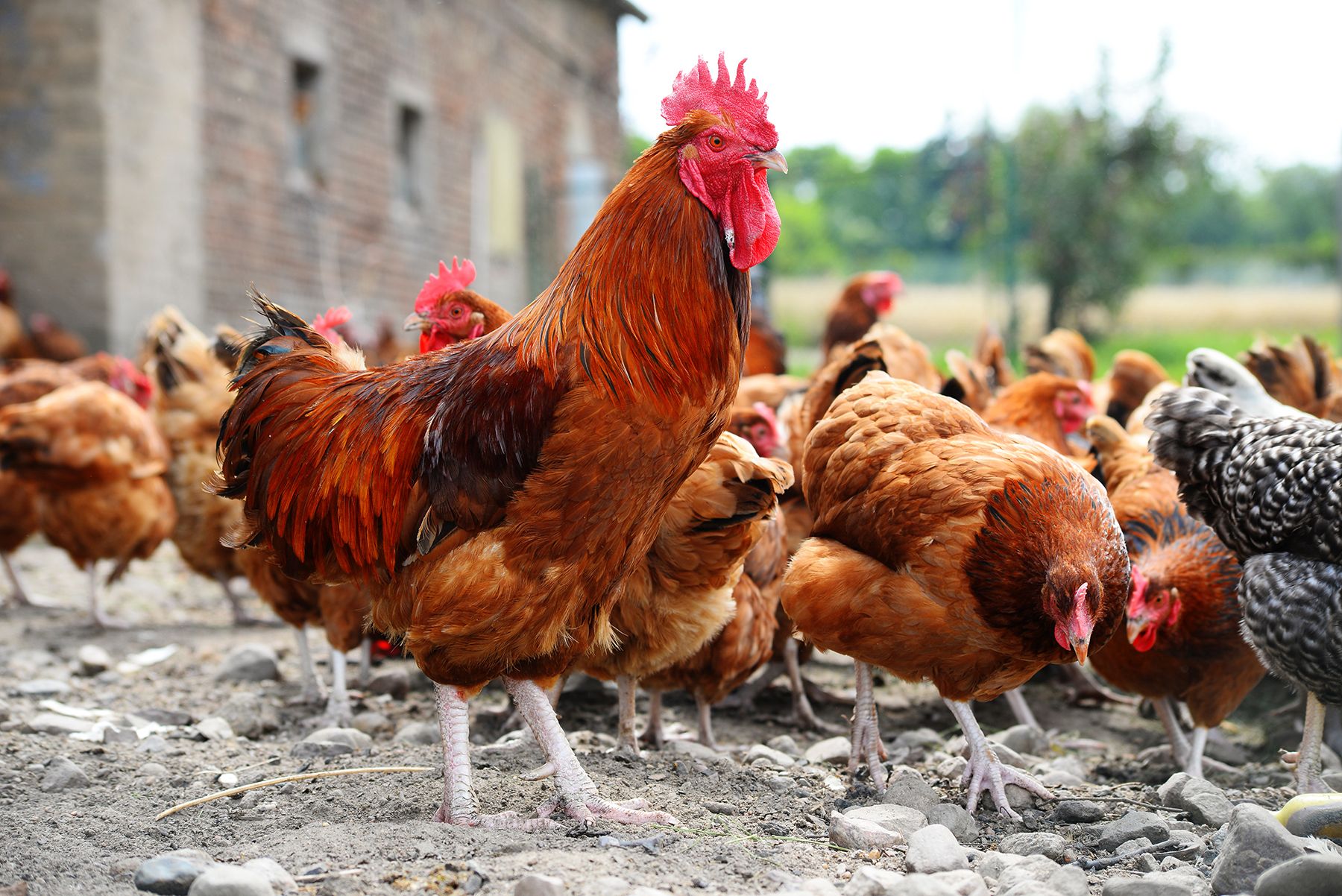
The impact of lighting on egg laying in heritage chickens
Day length is one of the strongest environmental signals for laying hens. The impact of lighting on egg laying in heritage chickens is closely tied to the hours between darkness and dawn. Hens are long-day breeders: reproduction generally strengthens as daylight lengthens and eases as it shortens. This explains why an Australian flock often lays strongly in spring and summer but slows during the darker days of winter.
Supplemental lighting can keep laying steadier when winter daylight is short, provided it imitates a gradual seasonal change rather than switching on suddenly. The aim is a predictable photoperiod with plenty of uninterrupted darkness, not continuous illumination. Heritage birds still need feed, water, shelter, exercise and sound health to produce eggs consistently.
For keepers, the useful question is not simply whether a hen is laying, but how her environment, breed and age affect her cycle. Brightness, timing and the amount of dark rest all matter. A well-managed lighting plan can support natural laying while avoiding the strain of forcing a flock to produce through illness or moulting.
How day length shapes laying
Light acts through a bird’s daily rhythm. Increasing daylight stimulates reproductive hormone activity, while a longer night can encourage hens to conserve energy and rest. The response varies among heritage breeds, including Australorps, Orpingtons and Wyandottes, but all remain subject to the same broad day-length influence.
Pullets approaching the point of lay are especially responsive: a gradually lengthening schedule can encourage earlier, more even egg production. After maturity, shortening days may support moulting and a pause in laying. Persistent lighting during a forced moult can delay recovery, so production should never be pushed at the expense of health.
Australian daylight and flock conditions
Australian seasons run opposite those in Europe and North America. Sydney generally has mild, bright winters, while Melbourne’s daylight changes sharply with the seasons; Brisbane enjoys long subtropical days, and Perth has dry, intense sunshine. These local patterns mean that a fixed artificial schedule should complement prevailing daylight rather than ignore it.
The Australian market for heritage eggs includes farm-gate sales, produce markets, online sellers and hobby breeders serving household flocks. Stock arriving from overseas must meet destination customs and state biosecurity requirements, so compare suppliers carefully. Breeding and shipping standards are worth reviewing before birds join an established flock.
Supplemental lighting in practice
For laying hens, a common target is 14 to 16 total hours of light and eight to ten hours of continuous darkness. Daylight can count toward that total, with a timer controlling lamps for the remaining hours. Because heritage birds differ in response, start with the shorter end of the range and judge changes over several weeks.
Increase lighting in small steps, such as 15 to 30 minutes at a time, and keep the transition consistent from one week to the next. Use secure, weather-resistant fittings and lamps bright enough for hens to find feed and roosts without glaring light. Australian 230–240 V systems need compatible equipment, and any new wiring should be checked by a qualified electrician.
Dim, irregular or midnight lighting can disrupt rest and should be avoided. Young birds also need age-appropriate conditions rather than an adult laying schedule; raising juvenile quail is a useful reference when mixed-species housing is part of the flock.
Comparing lighting approaches
Natural daylight offers seasonal variation but little control over winter production. A timed system provides consistency; an erratic or overly long schedule may encourage laying at the cost of rest. Lighting is therefore best viewed as one layer in flock management, alongside nutrition, parasite control and access to clean water.
No single approach suits every climate or flock. Compare the available options against local sunrise and sunset times, the birds’ age and current laying rate, then make small adjustments rather than chasing a target number of eggs.
| Approach | Light pattern | Likely laying effect | Australian use |
|---|---|---|---|
| Natural daylight | Seasonal hours without timers | Stronger in longer spring and summer days; slower in winter | Simple for keepers wanting a natural seasonal cycle |
| Controlled supplemental light | Fixed daily total with a dark rest period | Usually steadier year-round laying if introduced gradually | Useful where winter days are short |
| Erratic or extended light | Late changes, dim light or long dark interruption | Can disrupt rest and complicate flock assessment | Best avoided except under specialist advice |
A dependable seasonal routine
Keep the routine simple enough to record and repeat. A weekly note of egg output, weather, feed changes and lighting hours reveals problems earlier than waiting for a noticeable drop. Adjust the schedule gradually, review it during each season and suspend extra light when a flock is moulting or unwell.
- Record local sunrise and sunset times, then note actual daylight in the coop.
- Set one daily light total and preserve at least eight uninterrupted dark hours.
- Use a timer with a labelled switch and check it after every daylight-saving change.
- Introduce extra light in 15–30 minute increments over several weeks.
- Clean fittings monthly and replace flickering lamps promptly.
- Reduce supplemental light during moulting, illness or heat stress, and seek veterinary advice when laying falls sharply.
Choose suitable heritage birds for your local market and climate, then build a fixed lighting and dark-rest schedule before the first short winter week. Track results from day one, adjust gradually and keep animal welfare at the centre of every decision.