Jersey Giant chickens: history, traits and Australian keeping
The Jersey Giant is a heavyweight chicken with a gentle temperament and a history rooted in nineteenth-century American meat breeding. Its large frame, heavy plumage and useful egg production make it distinctive, although its slow growth and substantial appetite place it far from modern commercial broilers. The breed remains popular with homesteaders, breeders, hobby farmers and exhibition keepers who value a striking bird with practical qualities.
For Australian households, the appeal is balanced by extra considerations. A fully grown cock can weigh close to six kilograms, so housing and handling must suit a much larger animal than an Australorp. Summers in Sydney and Brisbane can be intensely hot, Melbourne winters can be damp, and poultry regulations differ between councils and states. Learning about the breed’s origins, behaviour and breeding traits helps keepers assess whether it suits their property.
Origins and purpose
Jersey Giants were developed in the United States during the late 1800s, principally in New Jersey. The black variety is commonly associated with breeder George F. Bender, who selected for a large, well-feathered body and a useful carcass. Early birds were often called New Jersey Giants before the name was shortened and the breed was standardised for exhibition as well as home use.
Later breeding produced the white and splash varieties found in modern poultry books. Their original purpose explains why body size dominates the breed’s history, but today’s birds are not primarily commercial meat stock. They mature slowly, eat more than ordinary laying hens and convert feed less efficiently than specialised broilers. Their main strengths are longevity, calm behaviour, brown eggs and an impressive presence.
Size, appearance and temperament
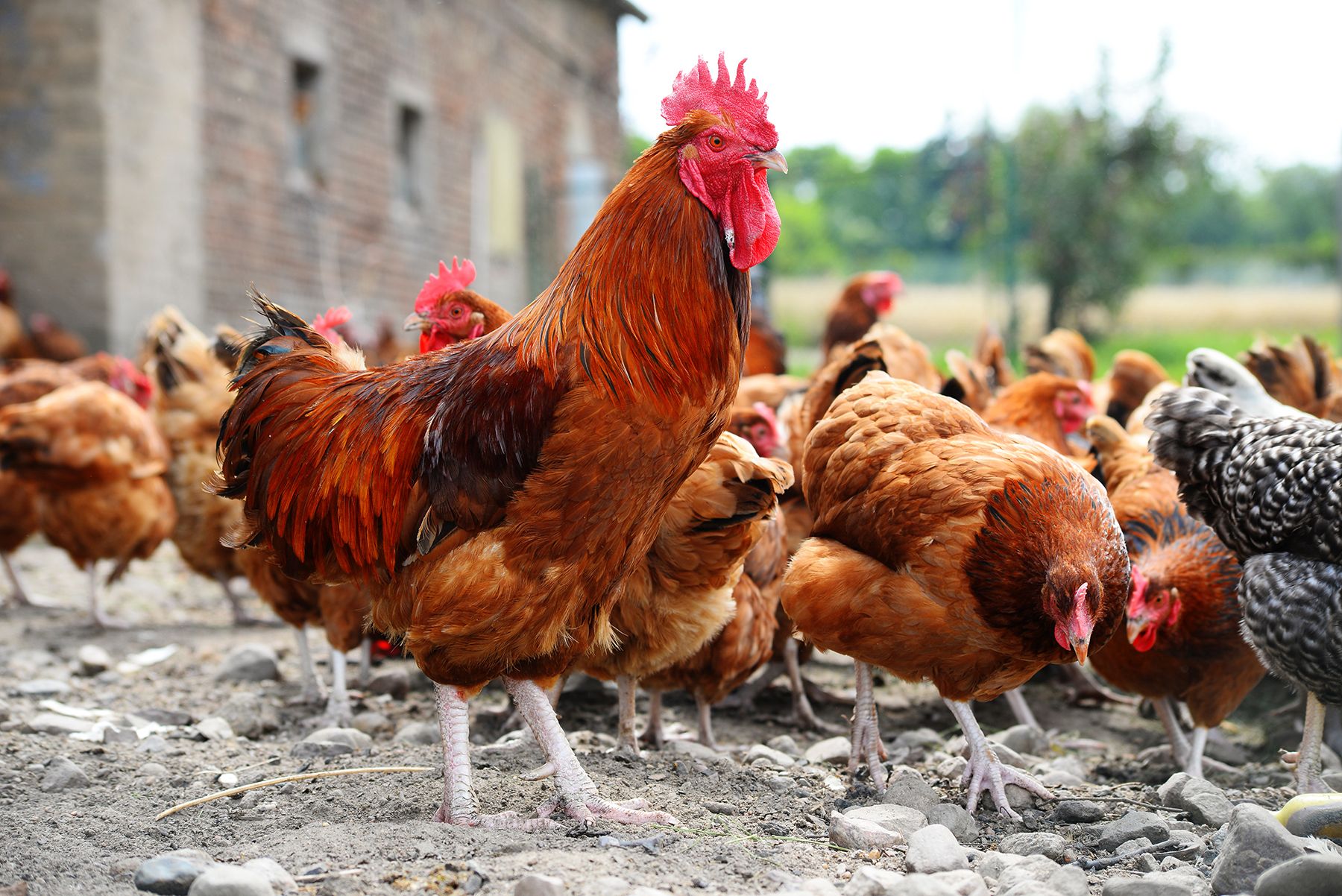
The standard Jersey Giant has a long, broad back, a deep body, strong legs and a single comb with wattles. Black birds usually show a greenish sheen, while white and splash birds have clean, contrasting plumage. Standard reference weights reach approximately 5.9 kilograms for a cock and 4.5 kilograms for a hen, although age, sex and bloodline create variation.
Despite their scale, Jersey Giants are generally steady, tolerant and slow-moving. Hens often become close to their keepers, while cocks can look formidable without being unnecessarily aggressive. They are less agile than smaller breeds, so perches should be broad and low, while ramps should be wide and gently sloped. Secure fencing and predator-proof night housing remain essential.
Large feet can develop scaliness or abrasions when birds spend long periods on hard or wet surfaces. Dry bedding, regular inspection and sufficient shaded floor space help prevent avoidable problems. Breeders should also keep the black, white and splash varieties separate when maintaining a high-standard stud flock.
Eggs, breeding and chick quality
Jersey Giant hens generally produce a moderate rather than exceptional number of eggs, often around 150 to 220 during a good year. Their eggs are usually brown and commonly larger than Australorp eggs. Many hens become broody, making them valuable for natural hatching, although broodiness interrupts laying and should be considered when flock size and egg production are priorities.
Breeders must monitor fertility, body condition and mating ratios because extra weight does not automatically guarantee better reproductive performance. Young cocks should mature before being worked heavily, while pullets need clean food, balanced minerals and consistent lighting. Medication should never be guessed at: general information about long-term medication use is not poultry-specific, so an avian veterinarian should guide drug selection, dosage and withdrawal periods.
Health and care in Australian conditions
Australian poultry keeping is influenced by council conditions, state biosecurity requirements and regional clubs. Sydney, Melbourne and Brisbane each have active hobby-poultry communities, with major shows often placing large breeds beside Australorps, Orpingtons and Langshans. Before buying or moving birds, check local council rules, use reputable breeders and confirm any permits or movement conditions that apply.
Climate is another major factor. Brisbane’s humidity and summer heat can make close housing punishing, while inland Australia may experience temperatures above 35°C. Melbourne, Tasmania and southern Victoria can remain damp around coops for extended periods. Shade, ventilation, cool water, dry bedding and secure night housing are vital. Feeders should be protected from rain and rodents, and large birds need enough space to move without competing at one narrow feeding station.
Good biosecurity benefits every poultry enterprise, including one containing only chickens. Clean shared equipment between groups and isolate new arrivals before mixing them with established birds. The store’s guidance on turkey poult disease prevention is relevant to mixed yards, since young turkeys require age-specific care and should not be handled alongside newly hatched chicks. An avian vet should diagnose unexplained illness, while local outbreak alerts should guide movement decisions.
| Characteristic | Jersey Giant | Australorp | Orpington |
|---|---|---|---|
| Main attraction | Heavy dual-purpose bird | Exceptional egg production | Gentle dual-purpose breed |
| Standard cock weight | About 5.9 kg | About 3.6 kg | 3.6–4.5 kg |
| Standard hen weight | About 4.5 kg | About 2.7 kg | 2.7–3.6 kg |
| Typical annual eggs | 150–220 | 250–300 | 150–200 |
| Egg colour | Usually brown | Usually brown | Brown or pale |
| Temperament | Calm, slow-moving, substantial | Active and alert | Docile and friendly |
| Best suited to | Breeders, homesteads and shows | High-output backyard flocks | Families, small farms and shows |
Build your flock with confidence
When ready to source birds, review the Premium Poultry Breeds catalogue for available heritage chickens, hatching eggs and other poultry. Compare breed variety, age, sex and intended purpose before ordering. Because the store ships live poultry and eggs worldwide, Australian buyers should confirm destination restrictions, quarantine requirements and the most suitable transport method for their location.
Ask the breeder about flock health, feeding, maturity and breeding records, then arrange suitable housing before the birds arrive. Check local rules once more, prepare a quarantine space and obtain any required permits. Choosing healthy, well-matched stock and planning for their size, climate and temperament creates a strong start for every Jersey Giant flock.