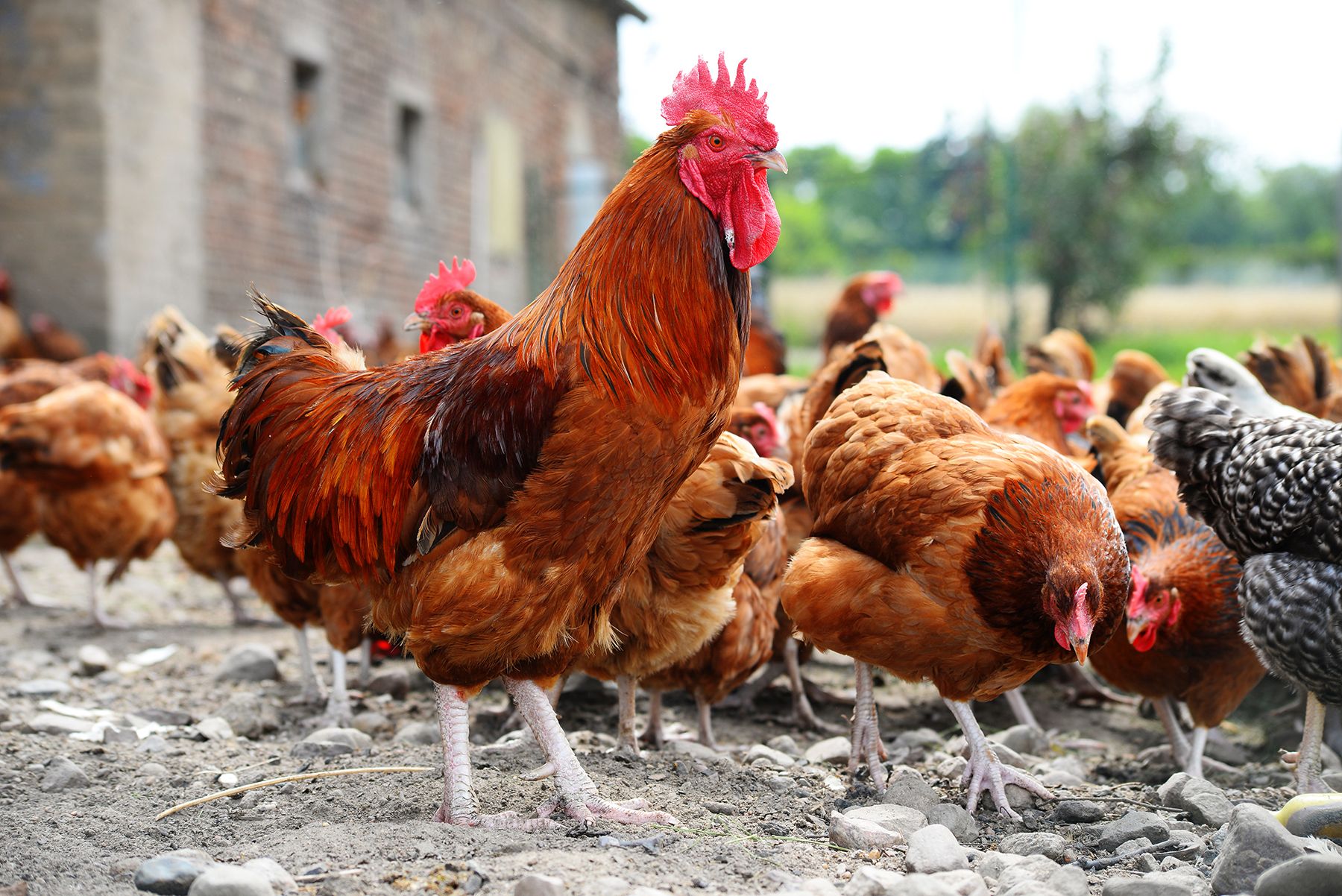
How standard chicks grow into laying hens
Raising a standard chicken from day old to a productive laying hen usually takes about five to six months. The exact chick-to-hen growth timeline varies with breed, season, daylight, nutrition and health, but most keepers see the same framework: rapid brooding growth, a long feathered pullet stage, then a sharp rise in egg production once the bird reaches point of lay.
For Australian households, weather can shift that schedule. A Brisbane winter may remain mild enough for early maturity, while the cooler evenings in Melbourne, Adelaide or Tasmania can slow growth slightly. Aussie poultry keepers often call hens “chooks” and raise them in backyard coops, suburban yards or small rural flocks. Breeder directories, produce markets, agricultural shows and specialist hatcheries are all part of the local poultry market.
Standard breeds need time to develop a mature frame rather than simply putting on weight like a meat bird. Australorps, Plymouth Rocks, Rhode Island Reds and similar hens usually begin laying between 20 and 24 weeks, although some reach their first egg earlier. Feed quality, steady lighting and good-sized housing can prevent the usual delays that leave pullets growing well past six months.
| Growth stage | Typical age | Main changes | Keeper focus |
|---|---|---|---|
| Newly hatched | Day 0 to 1 week | Finds the nest, stays warm, begins feeding | Correct brooder temperature and constant heat |
| Brooding | 1 to 4 weeks | Rapid weight gain, feathers replace down | Starter feed, clean water, dry litter |
| Grower | 5 to 12 weeks | Stronger legs, full feathering, more independent | Balanced grower diet and room to move |
| Pullet | 13 to 18 weeks | Adult body shape, wing development, sexual maturity | Layer transition and increasing daylight |
| Point of lay | 18 to 24 weeks | Comb and vent enlarge, egg production starts | Calm housing and reliable egg handling |
The first four weeks
Day-old chicks need a brooder that is warm, dry and free from draughts. Start near 32–35°C for the first few days, then reduce it gradually as feathering improves. A temperature of roughly 20–24°C is often suitable by the fourth week. During a Brisbane heatwave, outdoor daytime temperatures can exceed the indoor brooder setting, so shade, ventilation and cool water matter more than simply adding heat.
The first month brings the fastest visible growth. Chicks develop their wing feathers, become increasingly alert and begin scratching for particles in the litter. A complete starter crumble with about 18–21% protein supports this early development. Weekly checks of body condition and weight help identify weak chicks before they fall behind; keeping a small group of similarly aged birds together also reduces bullying at the feeder.
Feed, housing and daily care
Diet requirements change with age. Give chicks a proper starter feed, then move them to a balanced grower diet around five to six weeks. From approximately 16 weeks, gradually introduce a suitable layer ration containing the calcium needed for shell production. Pullets should not be fed large amounts of crushed oyster shell too early because they cannot use that mineral efficiently before their reproductive system develops.
Housing should provide enough space for each bird to stand, turn and lie down without being crowded. Use dry litter, secure wire, predator-proof locks and reliable ventilation. Foxes, goannas and birds of prey are familiar concerns in many Australian districts, while summer storms can expose poorly secured coops. Keep feed in sealed containers and inspect the flock at least twice each day.
Households should also keep smoke, vapour and nicotine residues away from birds, eggs and feed surfaces. An unrelated leisure site such as Geek Bar Pulse Vape is no substitute for poultry-specific care guidance, and no vaping should occur near the coop or during egg handling. Washing hands after handling products is sensible, particularly around young chicks.
Pullet development and the point of lay
Between five and twelve weeks, a standard chick changes into a recognisable young chicken. The body deepens, legs become firm and the wing feathers finish developing. By the early pullet stage, most birds have their full juvenile plumage and a proportionately larger frame. Some strains lay earlier than others: Leghorn-derived lines may reach maturity near 18–21 weeks, while Australorp, Plymouth Rock and Rhode Island Red hens commonly need 20–24 weeks.
Daylight strongly influences the transition. Hens naturally lay more when days lengthen, but controlled lighting in a secure coop can bring the flock towards a 16-hour photoperiod. Increase it gradually rather than making a sudden change. For a related size comparison, this turkey breed comparison explains why standard and bantam birds follow different growth curves, although the broad chicken stages remain similar.
A swollen red comb, widening pelvic bones and increased squatting can suggest that a pullet is close to laying, but appearance is not a dependable egg test. The first eggs are often small or have soft shells. Production usually climbs over the following two to four weeks, provided the hen remains healthy, undisturbed and adequately fed.
Milestones worth tracking
Record a few simple measures rather than weighing every bird daily:
- Weight gain follows a steady pattern across the flock.
- Feathering is complete without persistent bald or ragged areas.
- Legs remain straight and the bird walks actively.
- Appetite and activity rise as the pullet stage advances.
- The first egg appears around the expected breed-specific age.
- Shell quality and egg size improve over several weeks.
Health and housing checks should happen at the same time:
- Check the brooder or coop temperature at different times of day.
- Keep water clean, litter dry and feeder space uncrowded.
- Look for coughing, nasal discharge, limping or persistent hiding.
- Quarantine new birds before mixing them with an established flock.
- Remove broken eggs and clean nesting areas regularly.
A simple notebook with dates, weights, feed changes and egg production can reveal problems sooner than a purely visual inspection. It also helps breeders compare different bloodlines and decide which birds are ready for a larger or more demanding laying environment.
Building a first flock that suits Australia
Buy day-old chicks or started pullets from reputable local breeders, hatcheries or specialist suppliers, and confirm that birds are suitable for your climate and housing. Check current state and local council requirements because biosecurity rules can change following outbreaks, and some areas restrict poultry movement or sales. Australian summers can also make long journeys stressful, so arrange transport early in the day and avoid sending vulnerable chicks during extreme heat.
Quarantine incoming birds away from the main flock for at least 30 days, observe their appetite, droppings and breathing, and treat them for parasites before contact. If you want eggs quickly, compare the listed laying age with local daylight conditions rather than relying only on a breed’s advertised schedule. Heritage birds may take a little longer but often reward keepers with longevity, broodiness and a substantial egg supply.
Ready to build your flock? Explore Premium Poultry Breeds for healthy chicks, mature laying hens and hatching eggs, then reserve your birds ahead of your preferred laying window.