Chicken Combs: Breeds, Climate and Health in Australia
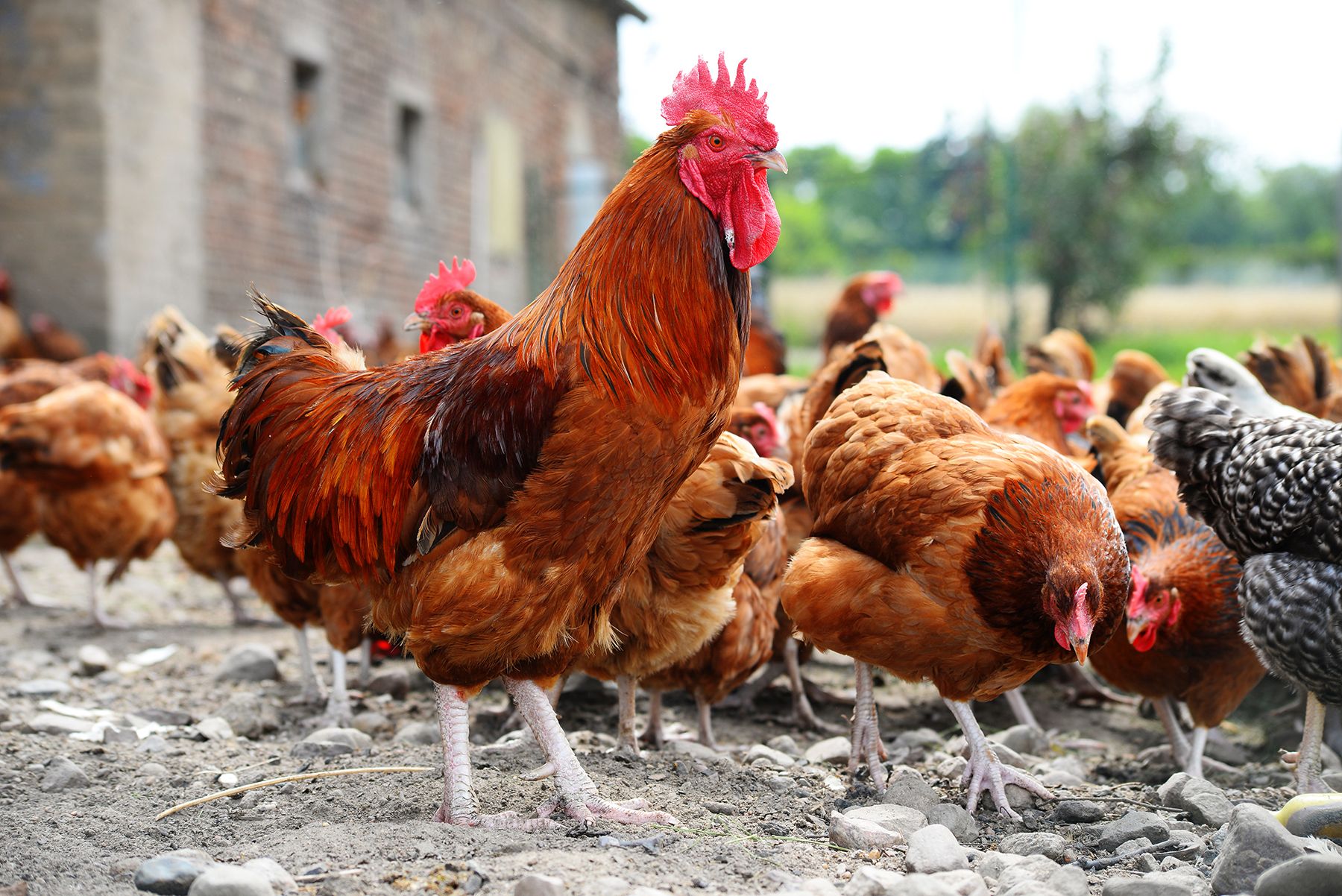
A chicken’s comb is the fleshy crest on top of the head. Its shape is inherited, helps identify breeds, and contains many blood vessels. Those vessels release body heat, so the comb also responds visibly to changes in circulation, hydration and illness.
Distinctive comb types are not a health ranking. A tall single comb is more exposed to weather than a compact pea comb, while broad or folded combs may need more careful cleaning. Most risks come from poor husbandry, injury, parasites or disease rather than comb shape alone.
Australian keepers face conditions ranging from humid subtropical summers to frosty inland mornings. A sound assessment combines breed characteristics with climate, daily observation, secure housing and a biosecurity plan tailored to the state, council and source of birds.
Comb Types and Breed Characteristics
Comb shape is part of a breed standard, but individuals vary with age, sex, injury and handling. Before buying, compare the comb with the supplier’s breed description and photographs; an abnormal shape in one bird can reflect damage or poor development rather than a breed trait.
| Comb type | Distinctive appearance | Common breed examples | Practical health consideration |
|---|---|---|---|
| Single | Tall and upright with pointed tips | Leghorns, Sussex and Australorps | More exposed to frostbite, sunburn, pecking and points that obstruct vision |
| Rose | Broad, flat and firm with an upright point | Wyandottes, Brahmas and some Rhode Island Reds | Wide tissue can collect moisture and debris; keep it dry |
| Pea | Small, low and divided into rounded ridges | Canaries and some Cornish breeds | Less snagging and weather exposure, but still check the base |
| Walnut | Rounded, pebbled and slightly wrinkled | Silkies and Sultans | Creases can collect debris and require gentle cleaning |
| Strawberry | Compact and textured, often V-shaped | Several bantam and Mediterranean breeds | Small shape limits exposure; inspect around the base for lice |
| Carnation | Tall, fleshy and lobed | Certain Mediterranean and exhibition breeds | Prominent tissue needs the same frost and injury checks as a single comb |
Comb size does not reveal temperament or productivity. Inspect the comb and wattles each morning for cuts, scabs, discharge, heat or swelling, and separate a bird whose appearance has changed sharply from the rest of the flock. Changes in colour or shape should be interpreted alongside appetite, activity and breathing.
Different poultry need different planning: explore turkey varieties before allocating space, checking fencing and choosing handling equipment. Turkeys have their own head profiles and behaviour, so chicken-comb checklists should not be applied without considering species and age.
Climate, Combs, and Australian Conditions
Large, well-vascularised combs shed heat, but chickens also pant and seek shade. During humid weather in Sydney and Brisbane, prioritise cool water, broad shade, airflow and enough room to move away from heat. Perth’s hot, dry summers make shaded ground and water essential, while dust bathing supports comfort and feather maintenance.
Cold creates a different risk. Frosty mornings around Melbourne, Hobart and elevated inland districts can damage exposed comb tissue, especially on large single combs. Keep the coop dry and sheltered from wind rather than warm and damp, and avoid abrupt temperature changes. Before a forecast frost, a thin layer of plain, unscented petroleum jelly can protect a dry comb; never apply it to dirty or irritated skin.
Disease Signs, Mites, and Routine Checks
Daily habits reveal more than a once-a-week inspection. Check birds during the morning coop routine, comparing comb colour and warmth with the rest of the flock. Pale combs may accompany anaemia, while blue or purple tissue can indicate poor oxygenation; marked swelling may suggest infection. These are warning signs, not diagnoses, so seek avian veterinary advice for sudden or severe changes.
Lice, mites, fowl pox and moist comb tissue can alter appearance and function. Keep housing clean, remove wet bedding, provide dust baths and avoid sharing equipment between age groups. At poultry shows and saleyards in Melbourne, Sydney and Brisbane, wash hands and change footwear before entering your run, then quarantine returning birds.
Australia’s National Poultry Disease Management Plan for highly pathogenic avian influenza, the Australian Animal Health Law 2019 and state or territory rules guide outbreak controls and bird movements. Some councils also regulate coop placement or larger flock numbers, so check local conditions before transport. Species-specific routines differ: raising Khaki Campbell ducks focuses on secure outdoor space and dependable water access rather than chicken comb checks.
Practical Flock Recommendations
A practical routine should include the following:
- Inspect combs and wattles daily; record sudden changes in colour, swelling, discharge or injury, and isolate affected birds while seeking advice.
- Provide shade, ventilation and constant clean water in hot weather; use dry, wind-protected housing and frost precautions in cold districts.
- Keep broad, folded or textured combs clean and dry using gentle, poultry-safe methods.
- Quarantine birds from new sources for at least 30 days where practicable, and follow current state movement rules.
- Check coops, cages and transport boxes for red mite, clean between groups and vaccinate according to a vet-backed prevention plan.
Keep a flock log with each bird’s age, source, vaccination status and health notes. Photograph a suspicious comb to track change, but do not delay care: rapid deterioration, poor appetite, lethargy or breathing difficulty warrants prompt contact with an avian veterinarian.
Build a Healthy Flock with Confidence
Premium Poultry Breeds’ emphasis on healthy stock, careful handling and quality control gives Australian buyers a sound starting point. Choose a breed suited to your climate, space and experience, and ask the supplier for age, sex, vaccination history and breed profile before ordering.
Prepare housing, quarantine space, feed and an observation routine before birds arrive. Review the available chickens and other poultry, check delivery options and current Australian entry conditions, select birds with normal combs and alert behaviour, and complete the order only when the supplier’s guidance fits your setup and local requirements.