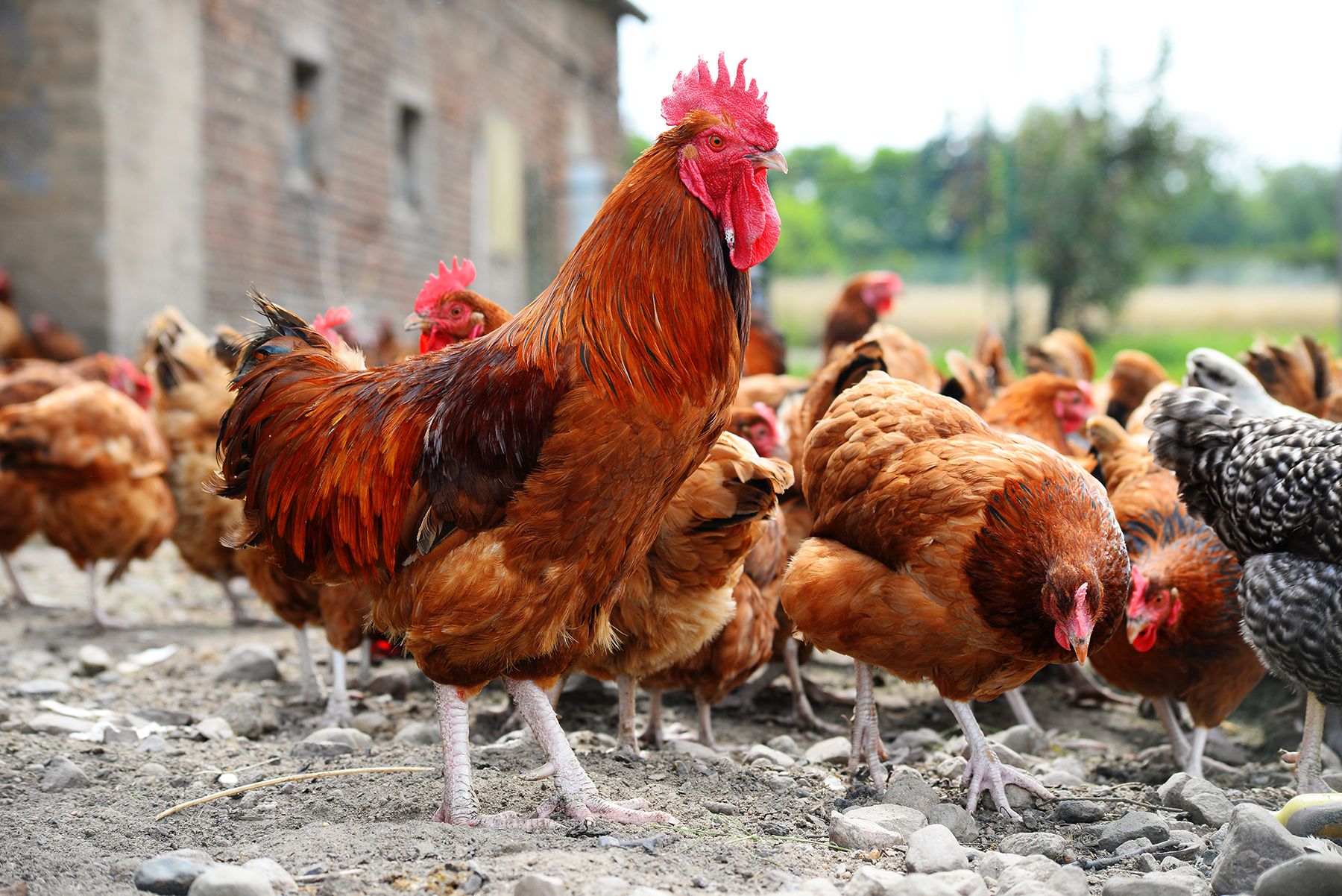
Choosing the Right Chicken Breed for Your Homestead
Selecting chickens begins with understanding what you want from the flock. Some breeds are bred to produce a steady supply of eggs, while others are valued for rapid growth, heavier carcasses, and efficient meat production. Heritage varieties and dual-purpose birds occupy the space between these two categories.
Layer and meat chicken breeds differ in body shape, feed use, maturity, behavior, and care requirements. Matching the breed to your goals helps you build a healthier flock and avoid disappointment when production does not meet expectations.
What Separates Layers From Meat Birds
Egg-laying breeds are generally light-bodied, active, and efficient at converting feed into eggs. Their bodies are shaped for reproductive performance rather than substantial muscle development. Many begin laying between five and seven months, depending on breed, nutrition, daylight, and overall health.
Broiler breeds are selected for fast weight gain and broad breast muscles. They can reach processing size in a matter of weeks, but their rapid growth means they require careful feeding, clean bedding, good ventilation, and enough space to move comfortably.
Dual-purpose chickens provide a practical compromise. They can supply a useful number of eggs while producing a respectable table bird, though they are usually slower-growing than commercial broilers and less productive than specialized layers.
Egg Production And Layer Traits
Common laying breeds include Leghorns, Australorps, Rhode Island Reds, Plymouth Rocks, and several hybrid strains. Depending on the variety and management, a productive hen may lay four to six eggs per week during her strongest cycle. Egg color, size, temperament, and cold tolerance vary significantly between breeds.
Layers often have slimmer frames, bright eyes, active personalities, and strong foraging instincts. They may thrive in a mobile coop or free-range setting, particularly when protected from predators. Since their productivity is closely connected to nutrition, a balanced layer ration with adequate calcium is essential once pullets begin producing eggs.
Egg output naturally declines with age, although many hens remain valuable flock members for years. Heritage breeds may lay fewer eggs than commercial hybrids, yet they often offer attractive plumage, broody behavior, longevity, and better suitability for small-scale breeding projects.
Growth And Meat Qualities
Meat chickens, including Cornish Cross hybrids, are designed to put on weight quickly and efficiently. Their wide bodies and heavy breast muscles produce a generous carcass, making them popular for home processing and small farms supplying fresh poultry.
Fast-growing broilers need a carefully managed diet because excessive weight can place stress on their legs and heart. Feed should be offered according to a responsible growth plan, and birds need dry litter, shade, fresh water, and sufficient floor space. Regular observation helps identify lameness, lethargy, or breathing problems early.
Slower-growing meat breeds and dual-purpose chickens take longer to finish but may develop more pronounced flavor and firmer texture. Breeds such as Jersey Giants, New Hampshires, and heritage Plymouth Rocks can be suitable for keepers who value traditional characteristics and a less intensive production schedule.
| Feature | Layer Breeds | Meat Breeds | Dual-Purpose Breeds |
|---|---|---|---|
| Primary purpose | Frequent egg production | Rapid meat production | Eggs and table meat |
| Body type | Light and streamlined | Broad and heavily muscled | Medium to large frame |
| Typical maturity | About 5–7 months for laying | Often 6–10 weeks for processing | Usually 4–7 months |
| Activity level | Active and strong foragers | Less active as weight increases | Moderate to active |
| Feed priority | Calcium and balanced layer nutrition | Protein and controlled growth | General balanced ration |
| Best fit | Egg-focused homes and breeders | Meat production | Homesteads seeking versatility |
Housing, Feeding, And Daily Care
The right chicken breed still needs suitable management. Layers benefit from secure nesting boxes, roosting areas, clean water, and enough ventilation to limit moisture and respiratory problems. They also require dependable calcium sources, such as oyster shell, to support strong eggshells.
Meat birds need broad, stable flooring and easy access to feed and water. Crowded conditions can increase stress, dirty plumage, and disease risk. A shaded outdoor area can improve comfort during warm weather, while regular litter maintenance keeps ammonia levels under control.
Chicks are especially vulnerable during their first weeks. A warm brooder, draft protection, fresh bedding, and a reliable starter ration establish a strong foundation. Whether you are raising pullets or broilers, sourcing healthy chicks for sale from a reputable supplier supports better survival and growth.
Temperament, Space, And Flock Planning
Layer breeds are often alert and energetic, which can make them excellent foragers but more difficult to contain behind low fencing. Some are calm and gentle, while others are independent or flighty. Researching breed temperament is especially important when chickens will share space with children, pets, or other poultry.
Meat chickens are usually quieter, but their mobility can decrease as they gain weight. They should not be treated like long-term ornamental birds unless the selected strain is specifically bred for slower growth. Dual-purpose breeds are often more adaptable for mixed homestead systems because they remain active while offering useful body size.
Plan the flock around both immediate and future needs. A household wanting breakfast eggs may need only a small group of pullets, while a breeder may prioritize fertility, breed standards, and a dependable replacement cycle. Mixing types is possible, but feed programs and growth rates should be considered before placing all birds together.
Selecting Birds For Your Goals
A clear purpose makes breed selection easier. Choose specialized layers when consistent egg production is the main priority, meat strains when efficient processing is most important, and dual-purpose or heritage birds when flexibility matters more than maximum output.
- Select layers for frequent eggs, efficient feed use, and active foraging.
- Choose broilers for quick growth, large carcasses, and planned meat production.
- Consider dual-purpose breeds for a balanced homestead flock.
- Match the breed to your climate, housing, available space, and management time.
- Buy from a supplier that emphasizes healthy stock, careful handling, and dependable shipping.
The best flock is the one that fits your daily routine and long-term plans. Review breed characteristics, prepare housing before arrival, and choose birds with the production traits, temperament, and appearance you value.
Browse the available poultry breeds and hatching options at Premium Poultry Breeds to find healthy stock suited to your homestead, breeding program, or small farm. Begin with a well-matched selection, and your chickens can provide reliable eggs, quality meat, or both for seasons to come.