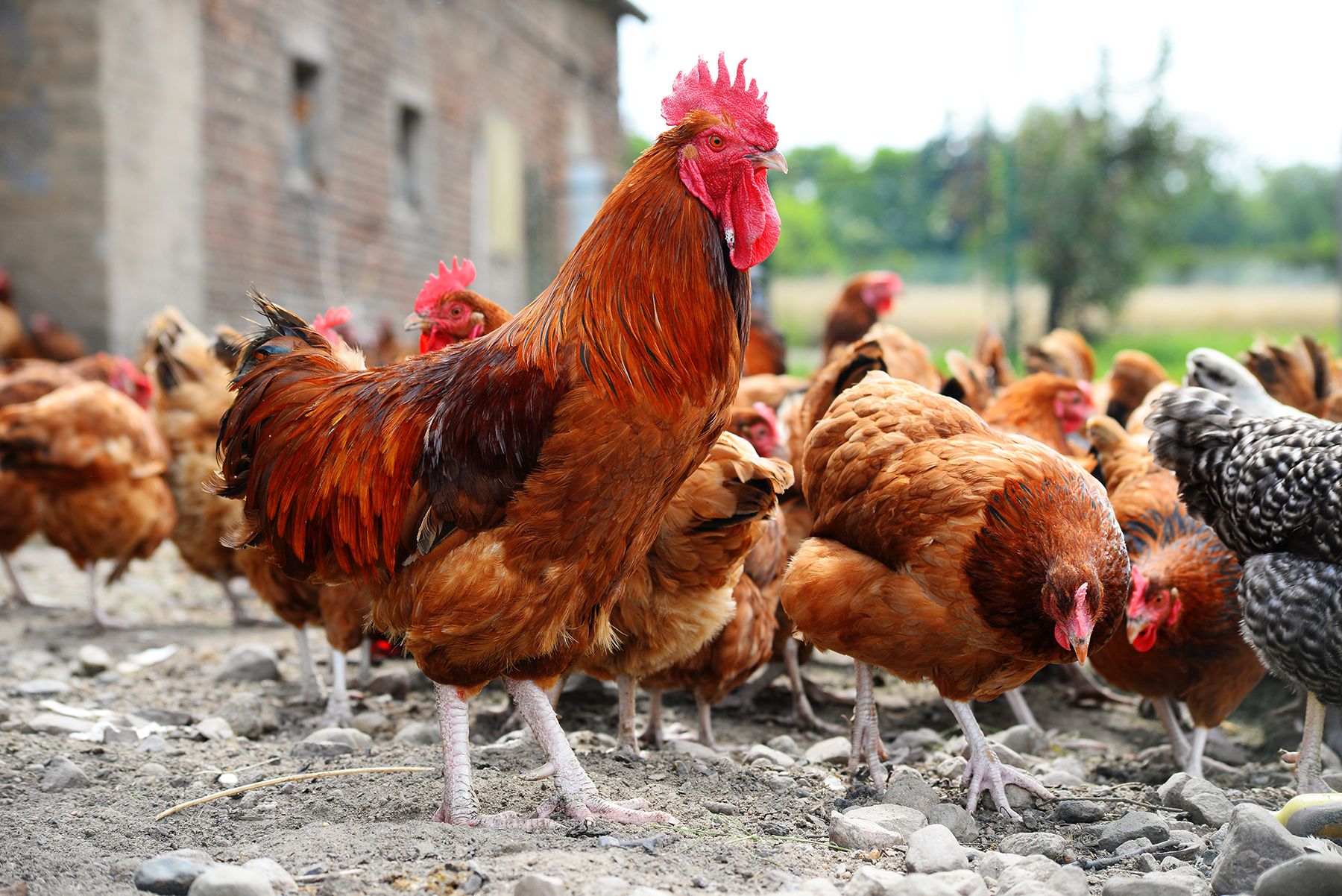
The complete guide to raising guinea fowl for tick control
Guinea fowl are energetic, hardy birds valued for their loud alarm calls, insect-hunting instincts, and ability to forage over a wide area. Many landowners add them to a homestead as part of an integrated approach to reducing ticks, grasshoppers, beetles, and other outdoor pests.
These birds can help, but they are not a standalone solution. Results depend on flock size, habitat, predator pressure, local tick species, and how much access the guinea fowl have to brush, pasture, woodland edges, and other feeding areas.
Successful guinea fowl keeping starts with realistic expectations. Healthy birds, secure housing, gradual training, and sensible land management matter just as much as their natural appetite for insects.
Why guinea fowl can help with ticks
Guinea fowl spend much of the day walking and scratching through vegetation while searching for insects. Their active foraging may reduce the number of exposed ticks and other arthropods in areas they regularly patrol. They are especially useful around field margins, garden borders, orchards, and open woodland.
They will not remove every tick from a property. Ticks hide in leaf litter, dense groundcover, rock piles, and wildlife habitats that birds may not thoroughly explore. Guinea fowl also cannot reach ticks attached to pets, livestock, or people. Use them as one layer of prevention alongside landscape maintenance, personal checks, and approved veterinary or pest-control measures.
Their loud calls can provide an additional benefit. A flock often reacts to unfamiliar animals, vehicles, or people, making them useful as noisy property sentinels. That same volume can become a nuisance in compact neighborhoods, so location and housing arrangements deserve careful thought.
Selecting birds and preparing their home
Choose alert, well-conditioned guinea fowl from a reputable source that emphasizes healthy stock, careful handling, and reliable delivery. Keets need warmth, clean bedding, fresh water, and a balanced starter feed. Adult birds require protection from rain, cold drafts, extreme heat, and nighttime predators.
A secure coop should have strong wire, a dry floor, raised roosts, and enough ventilation without creating drafts. Cover openings with predator-resistant hardware cloth rather than light poultry netting. Raccoons, foxes, dogs, owls, and hawks can quickly reduce a flock that is left exposed.
Provide more space than you would for confined chickens because guinea fowl are restless, active foragers. A covered run helps during the settling period, protects young birds, and gives you control when predators or severe weather are a concern.
Training guinea fowl to stay on the property
Adult guinea fowl often have a strong urge to roam. If released immediately after arrival, they may disappear in search of a preferred roost or join a neighboring flock. Keep new birds enclosed for several weeks so they learn that the coop is their home and feeding location.
Begin with short supervised outings near the enclosure. Release them before dusk, when they are more likely to return for food and shelter, and use a consistent call or treat routine. Some keepers retain one or two birds in the run temporarily; the remaining flock may be more inclined to return to familiar companions.
Guinea fowl prefer roosting in trees, but outdoor roosting increases exposure to owls, cold weather, and parasites. Encourage coop use by providing high perches, feeding at the same time each evening, and closing the birds in after they settle.
| Management factor | Practical approach | Why it matters |
|---|---|---|
| Flock size | Start with a small, compatible group | Guinea fowl are social and settle better together |
| Release schedule | Let them out after they are fully settled | Reduces wandering and failed homing |
| Foraging area | Offer brush edges, pasture, and orchard space | Increases contact with insect habitat |
| Night housing | Use a locked, ventilated coop | Limits losses from predators |
| Water and feed | Keep clean water and balanced feed available | Supports health without eliminating natural foraging |
| Tick strategy | Combine birds with habitat management and checks | Prevents overreliance on poultry alone |
Managing habitat for better pest control
Guinea fowl work best when the property offers varied but accessible foraging ground. Mow tall grass near frequently used paths, remove unnecessary brush piles, and keep vegetation trimmed around buildings and play areas. These steps can reduce favorable tick habitat while giving the flock room to search for insects.
Avoid relying on chemical treatments that may harm poultry, beneficial insects, pets, or wildlife. If a treatment is necessary, follow the product label and consult an appropriate professional about keeping birds away from treated areas. Never apply livestock or garden chemicals directly to guinea fowl unless specifically approved for that use.
Rotate access when possible. A flock that repeatedly uses the same compact area may damage vegetation and concentrate droppings. Moving portable fencing or alternating pasture sections can protect the ground and maintain better forage quality.
Feeding, health, and flock behavior
Foraging does not replace a complete diet. Offer age-appropriate poultry feed, grit when needed, calcium support for laying females, and clean water every day. Guinea fowl may eat seeds and insects, but nutritional gaps can affect growth, feather quality, immunity, and breeding performance.
Watch for lethargy, weight loss, nasal discharge, lameness, abnormal droppings, or sudden changes in vocalization. Quarantine new birds before adding them to an established flock, and work with a poultry veterinarian on regional disease risks, parasite control, and vaccination decisions.
Guinea fowl can be aggressive toward unfamiliar poultry, particularly during breeding season. Introduce birds gradually and provide multiple feeders, waterers, and hiding spaces to reduce competition. If you plan to raise your own keets, careful handling of fertile eggs matters; these egg storage guidelines explain how temperature, humidity, cleanliness, and timing affect hatchability.
Common mistakes to avoid
Expecting guinea fowl to eliminate ticks completely is the most common error. Their impact varies with weather, wildlife movement, vegetation density, and how often they patrol a location. Track tick activity over time instead of judging success after only a few days.
Another mistake is releasing young birds too early. Keets are vulnerable to chilling, wet conditions, poor nutrition, and predators. Keep them in a properly managed brooder until they are sufficiently feathered, then transition them outdoors gradually.
Do not overlook neighbors, roads, ponds, or boundary fencing. Roaming birds can create conflicts, suffer accidents, or become difficult to recover. Local regulations may also address poultry housing, noise, and free-ranging livestock.
A practical plan for safer tick reduction
Use these steps to make guinea fowl part of a responsible pest-management program:
- Begin with healthy birds and a secure coop rather than releasing them immediately.
- Confine new guinea fowl long enough to establish the coop as their home base.
- Provide balanced feed, clean water, shade, dry bedding, and high roosts.
- Improve tick-prone areas by managing tall grass, leaf litter, and dense brush.
- Check people, pets, and livestock regularly because guinea fowl cannot replace personal and veterinary precautions.
With the right setup, guinea fowl can bring useful insect foraging, distinctive personality, and lively activity to a homestead or small farm. Browse carefully selected guinea fowl, poultry breeds, and hatching options from Premium Poultry Breeds, then build a housing and land-management plan that gives your flock the best chance to thrive.