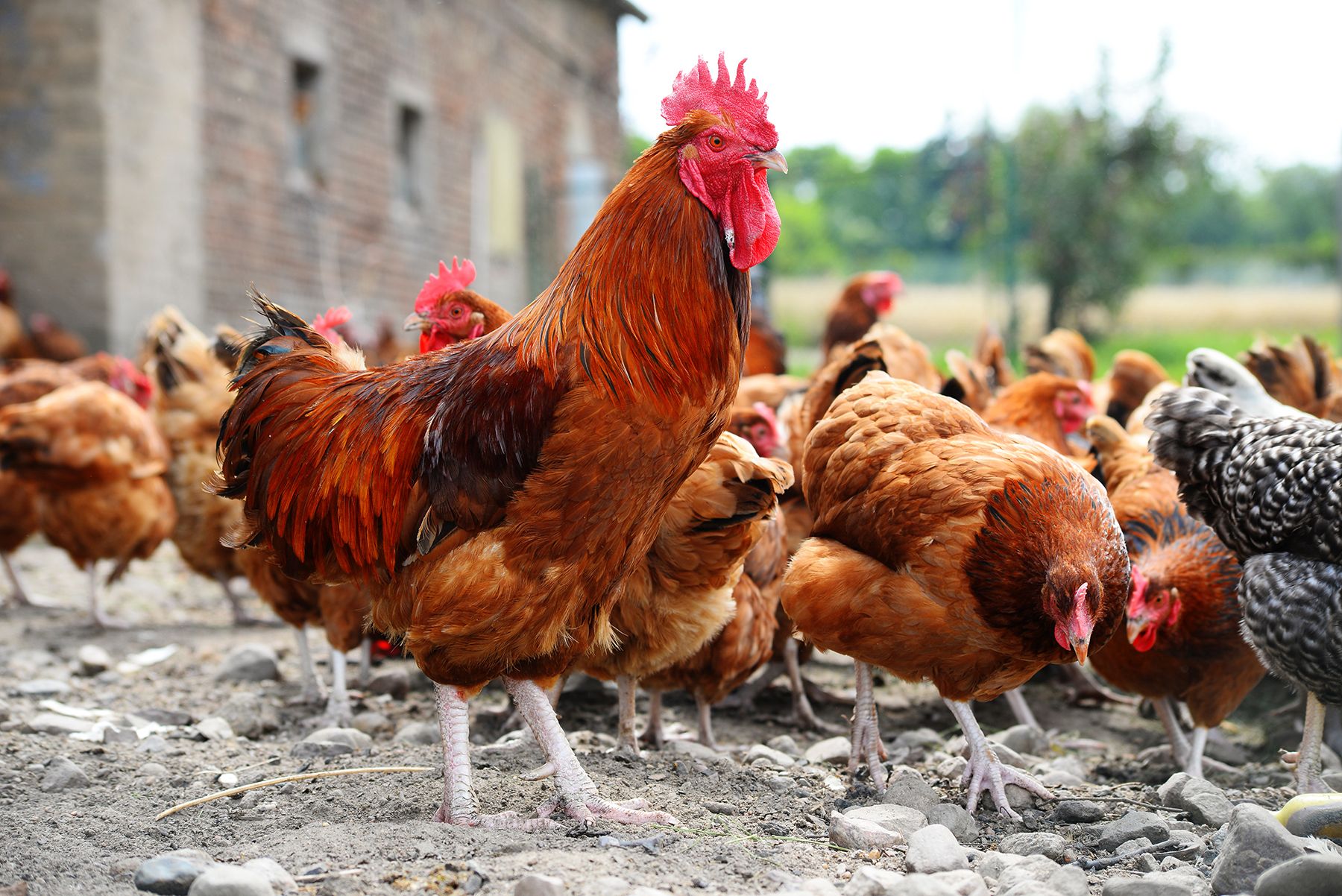
Marans chickens and their distinctive dark brown eggs
The Marans chicken breed is a French heritage chicken developed around the town of Marans, near La Rochelle. It became popular with backyard poultry keepers for its combination of substantial body weight, useful egg production and unusually dark brown eggs. Many Aussie owners call their mixed flocks “backyard chooks,” and Marans are a striking addition to a flock that may also supply barnyard eggs.
Dark eggs are usually described as chocolate brown, reddish brown or dark brown rather than truly black. Their colour depends on the genetics of each line, and cross-bred Marans may produce a different shade from their parent birds. The birds also offer practical qualities beyond appearance, including steady laying, a robust constitution and a useful combination of meat and eggs.
Appearance and heritage characteristics
Marans have a broad, heavy body, a strong back and relatively short legs. Many strains have feathered legs, while others are clean-legged. Their plumage commonly includes barred or “cuckoo” patterns, although black, golden and other colour varieties also exist. A small red pea comb is another traditional feature, and it is generally less exposed to frostbite than a large single comb.
The breed’s size makes it feel more substantial than many popular Australian laying hens. Cockerels may reach roughly 3.5 to 4.5 kilograms, with hens somewhat lighter. That size does not guarantee better egg output, but it reflects the Marans’ original purpose as a dual-purpose farm chicken. Heritage appearance and performance can also vary, so buyers should assess the quality of an individual strain rather than relying only on its colour name.
Egg colour and laying performance
A well-established Marans hen can produce around 150 to 200 eggs annually, although age, health, daylight, feed and the strain’s genetics all affect the result. The darkest eggs often appear near the beginning of a laying cycle. As a hen continues laying, the shell colour generally becomes paler, especially in lines selected intensively for production.
Shell colour is primarily inherited rather than created by a particular feed. Nutrition remains essential for strong shells and good laying condition, but adding a feed supplement will not reliably transform a pale egg into a dark one. Egg size also varies, with many Marans producing medium to large eggs of approximately 55 to 65 grams. Their dark shells are attractive for collectors, gift boxes and direct sales to households seeking something different from standard brown or white eggs.
Temperament, brooding and flock life
Marans are generally calm, curious and tolerant of handling, making them suitable for families and mixed-age backyard flocks. Hens usually settle into established pecking orders without becoming excessively aggressive. Cockerels can be more assertive, particularly during breeding season, so a secure run and adequate space are worthwhile. Keeping one rooster with six to eight hens is usually practical, although fertilisation is not essential if the aim is only eating eggs.
Brooding behaviour varies considerably between strains. Some hens become excellent sitters and reliable mothers, while others show little interest in incubation. Australians often value this trait when building a self-replacing flock, but it should be balanced against egg production. A separate broody pen can protect sitting hens from disturbance and prevent nesting-box disputes, particularly during the warmer months when hens are more inclined to settle and stay.
Housing and health across Australia
Australian conditions require different priorities in different regions. Perth and Brisbane can experience intense summer heat, so shaded runs, good airflow and cool drinking water are essential. Melbourne and southern Tasmania often bring cool, damp winters, making dry bedding, ventilation without chilling drafts and regular manure removal equally important. Across the country, keepers usually discuss temperatures in Celsius; sustained heat above approximately 35°C calls for extra shade, misting or other carefully managed cooling.
Housing should also exclude foxes, dogs, snakes and native predators. Solid flooring, secure wire and a dry roosting area help protect birds while reducing contact with damp soil. Droppings should be removed regularly, and feed should be stored against rodents and insects. Quarantine is especially important when birds arrive from specialist breeders, shows or interstate couriers, since apparently healthy poultry can still introduce parasites or disease.
A weekly hands-on inspection helps catch problems early. Look through feather shafts and around the vent, and check whether birds are scratching, feather loss or resting excessively. For persistent outbreaks, mite and lice control offers practical integrated measures rather than relying on chemical treatment alone. New birds should remain separate from the established flock for at least 30 days and receive a health check before mixing.
Recommendations for building a Marans flock
Start by locating reputable breeders or members of specialist poultry clubs who keep Marans for both exhibition and egg production. Ask for photographs of several consecutive eggs, information about parentage and realistic laying expectations. Records from birds raised under similar Australian conditions are more useful than exaggerated claims from overseas bloodlines.
Useful steps for a new flock include:
- Compare egg samples from several breeders, since dark shade and consistency differ between Marans lines.
- Begin with six to eight healthy hens, adding a rooster later if fertile eggs and breeding are desired.
- Keep new arrivals in a separate quarantine area for at least 30 days before introducing them.
- Build a predator-proof coop with shade, ventilation, dry bedding and sufficient space for every bird.
- Inspect birds weekly for lice, mites, injuries, unusual behaviour and signs of respiratory illness.
- Check destination-state biosecurity rules, local council requirements and courier conditions before ordering birds or fertile hatching eggs.
Start your Marans flock with confidence by browsing available Marans stock, reviewing the current birds and breeding options, and confirming delivery arrangements for your location. Choose a small, healthy group, settle them into secure housing, and enjoy the distinctive dark eggs while establishing a reliable backyard flock.