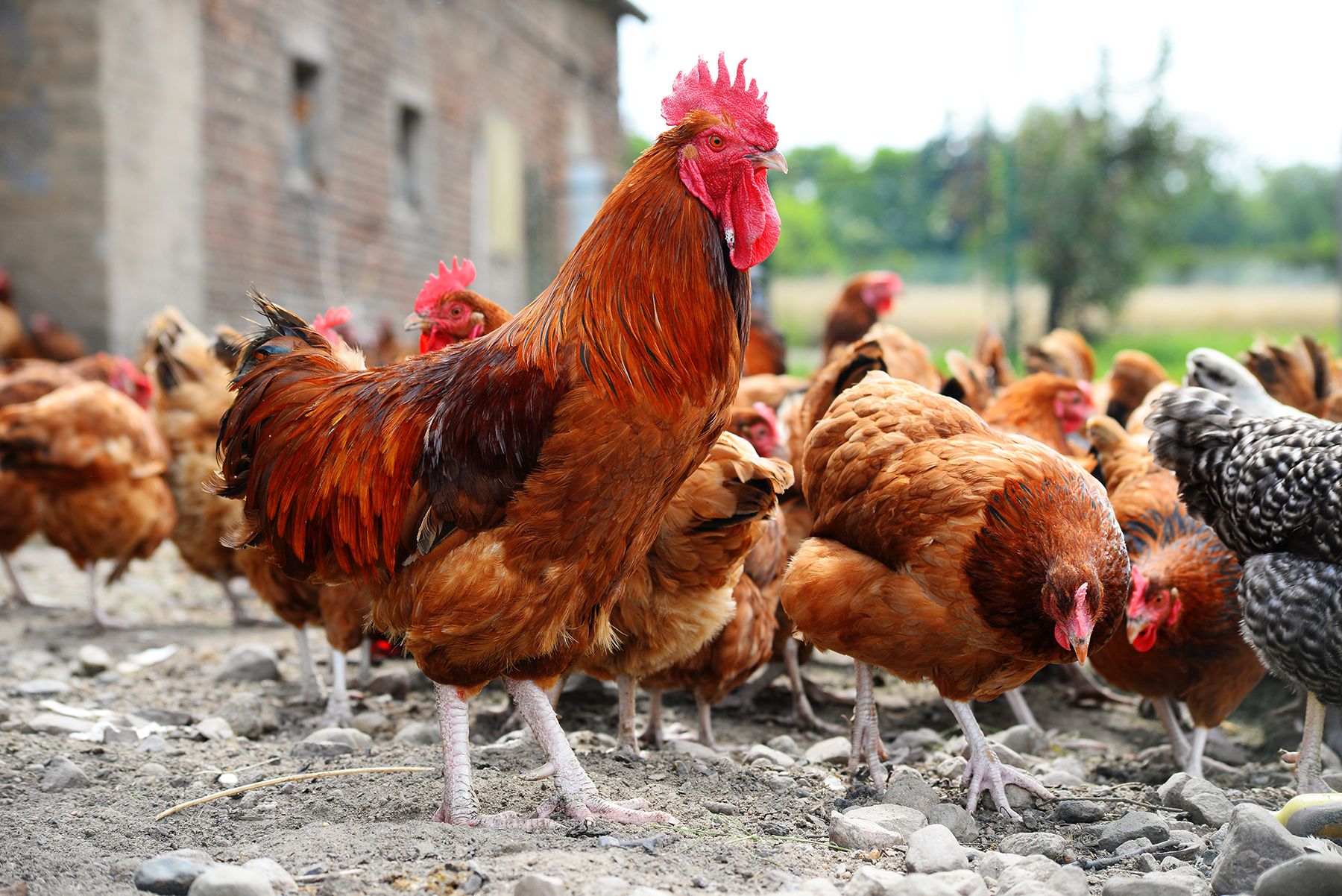
The best breeds for winter egg production in cold regions
Keeping a steady egg basket through freezing weather starts with choosing birds suited to the climate. Cold-hardy chickens with sturdy bodies, good feather coverage, and smaller combs generally cope better with snow, wind, and sharp temperature drops than delicate or highly exposed breeds.
Breed selection is only part of the equation. Day length, nutrition, ventilation, housing, and age all influence winter laying. A well-bred pullet in a dry, draft-free coop may outperform a supposedly hardy breed kept in damp bedding or exposed to icy air.
For homesteaders, small farms, and backyard breeders, the best choice is usually a balance of cold tolerance, dependable temperament, egg size, and seasonal productivity. The following breeds offer strong starting points for a productive cold-weather flock.
What makes a chicken suitable for winter
Cold-weather layers tend to have compact bodies and dense plumage that retain warmth efficiently. Small or pea combs are useful because they present less surface area for frostbite. The Chantecler is a classic example, developed specifically for severe Canadian winters and recognized for its winter hardiness.
A chicken’s winter performance also depends on its natural laying cycle. Some breeds continue producing at a moderate rate as temperatures fall, while others pause until daylight increases. Birds do not usually stop laying because of cold alone; shorter days, reduced energy reserves, and stress are often more influential.
Reliable breeds for freezing climates
The Chantecler is one of the strongest choices for genuinely harsh regions. It has a small cushion comb, excellent cold resistance, and a calm disposition. Partridge and white varieties are valued for both utility and attractive heritage qualities, while hens can provide a respectable supply of tinted or brown eggs.
Plymouth Rocks and Rhode Island Reds are practical all-purpose options. Barred Rocks are sturdy, friendly, and reliable in changing weather, while Rhode Island Reds are notably active layers with robust constitutions. Both breeds are widely available, making it easier to build or replenish a flock.
Wyandottes are another excellent winter breed. Their rose comb reduces frostbite risk, and their rounded body shape helps conserve heat. They generally lay brown eggs at a moderate rate and bring a calm, ornamental appearance to a mixed flock.
Strong layers with good cold tolerance
Australorps can remain productive during cool weather when they receive adequate feed and shelter. Their single comb requires more frostbite protection than a rose or pea comb, but their dense feathering and calm behavior make them manageable in cold regions. They are especially useful where reliable brown egg production matters.
Buff Orpingtons are valued for their heavy feathering, gentle temperament, and ability to tolerate low temperatures. Their winter output can be moderate rather than exceptional, particularly as daylight declines, but they are excellent family-farm birds and often thrive in sheltered, well-managed housing.
Delawares and New Hampshires can also fit a cold-climate laying flock. They mature efficiently, produce brown eggs, and combine useful production with hardiness. Individual strains vary, so breeders should evaluate parent stock, hatch records, and performance rather than relying on breed names alone.
Breed comparison for cold-weather flocks
The table below compares practical traits for common winter-friendly breeds. Egg numbers are approximate annual ranges under good management, and individual results will vary by strain, age, nutrition, and lighting.
| Breed | Comb type | Typical egg color | Approximate annual production | Cold-weather profile |
|---|---|---|---|---|
| Chantecler | Cushion | Cream to light brown | 180–220 | Excellent cold resistance |
| Plymouth Rock | Single | Brown | 200–280 | Hardy and dependable |
| Rhode Island Red | Single | Brown | 220–300 | Strong production and vigor |
| Wyandotte | Rose | Brown | 180–240 | Excellent frostbite resistance |
| Australorp | Single | Brown | 220–280 | Productive with good shelter |
| Buff Orpington | Single | Light brown | 170–230 | Heavy feathering and calm nature |
| New Hampshire | Single | Brown | 200–280 | Hardy, active, and early maturing |
Housing matters as much as genetics
A cold-hardy hen still needs a dry coop with steady airflow. Ventilation should remove moisture and ammonia without creating direct drafts at roost level. Humidity is a major contributor to frostbite, so damp litter, leaking roofs, and poorly positioned drinkers should be addressed before winter arrives.
Roost width also matters. Flat, broad roosts allow birds to cover their toes with feathers while sleeping. In severe climates, petroleum-free flock-safe frost protection may be used carefully on combs, but preventing moisture and drafts is more important than relying on topical products.
Provide a high-energy ration during cold spells, with constant access to clean, unfrozen water. Scratching grains can offer extra calories, but they should supplement a balanced layer feed rather than replace it. Shell grit or oyster shell supports strong shells when hens maintain production.
Managing light, age, and flock expectations
Short winter days naturally reduce egg output. If consistent production is essential, many keepers use a low-intensity timer-controlled light to provide roughly 14 to 16 hours of total daily light. It is best to add light in the morning so birds still settle naturally at dusk, and lighting should be introduced gradually.
Pullets that begin laying in late summer or autumn may continue more reliably through their first winter than older hens. Mature hens often slow down during cold, dark months, especially during a molt. Selecting replacement pullets from families known for persistent laying can improve results over time.
A mixed flock can provide both dependable eggs and useful variety. While chickens form the core of a winter laying program, winter-ready turkeys can add seasonal interest and broaden a homestead’s poultry production without competing directly for the same egg market.
Building a practical winter breeding flock
For the coldest locations, combine a highly adapted breed such as Chantecler or Wyandotte with a strong production breed such as Rhode Island Red or Plymouth Rock. This approach balances frostbite resistance, egg numbers, temperament, and availability. Keep breeding records so you can identify hens that continue laying well during short days.
When buying chicks, started pullets, or hatching eggs, ask about parent-stock health, vaccination practices, laying history, and shipping conditions. Healthy birds handle seasonal stress better, and careful transport is especially important when temperatures are low. Choose stock from a supplier that emphasizes quality control and responsible handling.
Practical priorities for winter layers
- Choose rose-, cushion-, or pea-combed breeds for areas with severe frost.
- Select birds from productive strains with documented health and vigor.
- Keep the coop dry, ventilated, and free from direct roost-level drafts.
- Supply balanced feed, unfrozen water, and supplemental calcium every day.
- Use gradual morning lighting if winter egg consistency is important.
A productive cold-region flock is built through matching breed traits with thoughtful management. Chanteclers, Wyandottes, Plymouth Rocks, Rhode Island Reds, Australorps, and Orpingtons each offer useful advantages, whether the priority is maximum output, frostbite resistance, family-friendly temperament, or heritage appeal.
Browse healthy poultry and hatching stock suited to your breeding goals, then plan housing and nutrition before the first hard freeze. With the right birds and preparation, winter can remain a productive season rather than a complete pause in egg collection.