The Benefits of Raising Mixed Poultry Species Together
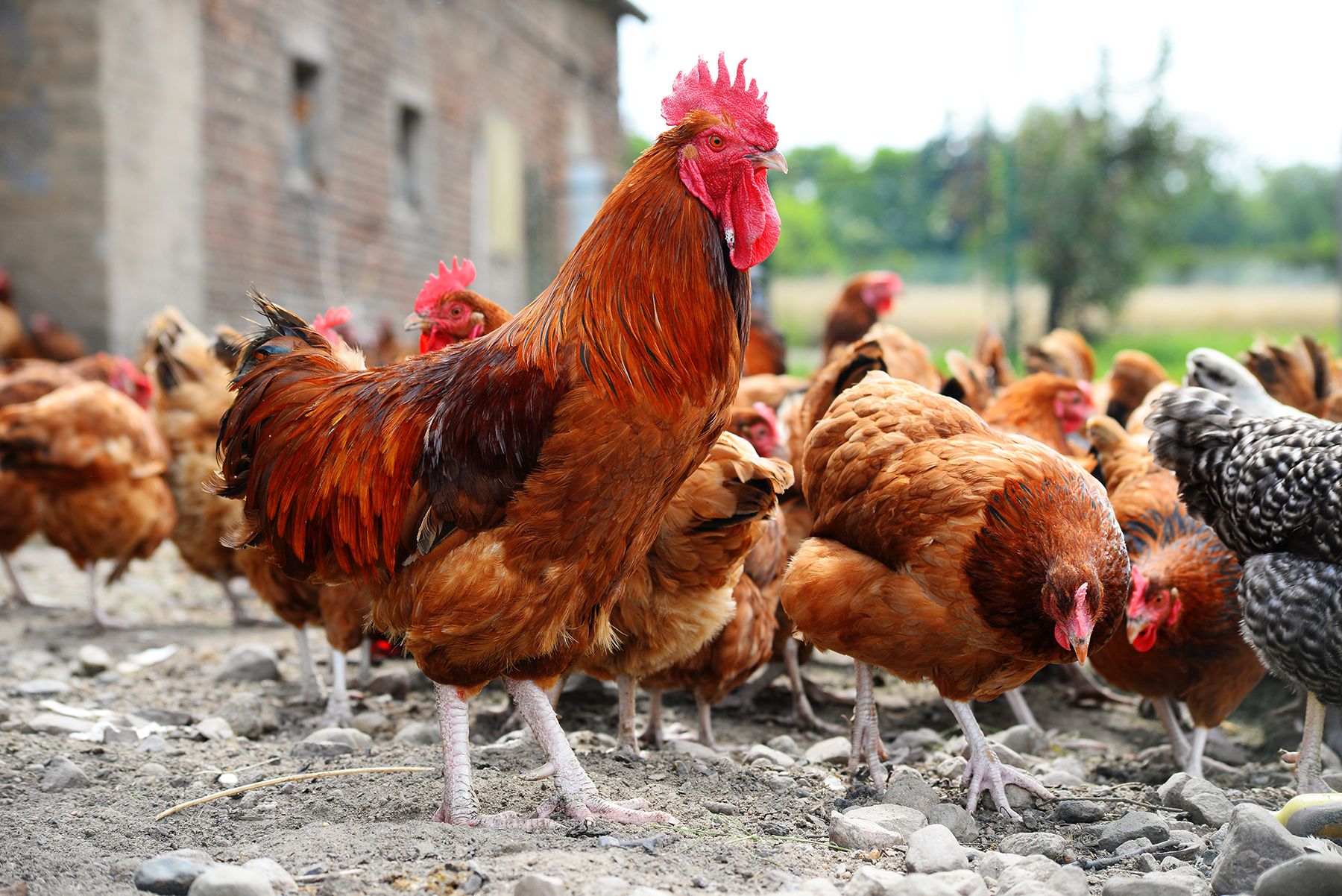
Raising several poultry species on the same property can create a more productive, interesting, and resilient smallholding. Chickens, ducks, geese, quail, turkeys, pheasants, and peafowl each bring different behaviours and uses, from egg production and insect control to meat, breeding value, and visual appeal.
A mixed flock needs thoughtful planning rather than a single shared pen. Species vary in size, temperament, feed requirements, housing preferences, and disease risks. When those differences are managed carefully, Australian homesteaders and hobby farmers can make better use of limited space while enjoying a broader range of poultry.
Better Use Of Space And Resources
Different birds occupy different areas of a property. Ducks and geese make good use of damp ground or a shallow bathing area, while chickens prefer dry scratching zones and raised perches. Quail can be housed efficiently in secure wire systems, leaving larger outdoor areas available for heavier birds.
This arrangement can improve resource use across a backyard or acreage near Brisbane, Melbourne, Perth, or regional centres. Fallen fruit, garden insects, weeds, and kitchen-safe scraps may support some species, although every feed must be suitable and clean. Rotating access to pasture also helps reduce mud, worn ground, and concentrated manure.
Mixed poultry can contribute to a small farm’s output throughout the year. Chicken eggs may supply the household, duck eggs can attract interest at local farmers’ markets, and selected birds or hatching eggs may support a breeding enterprise. Keeping separate records for each species makes it easier to measure feed costs and productivity.
Natural Behaviour And Pest Management
Chickens are active foragers that scratch through leaf litter and soil, while ducks often search for slugs, snails, and soft-bodied insects. Geese can act as alert guard animals and may graze areas that chickens ignore. These complementary habits can reduce reliance on routine chemical pest control around orchards, lawns, and vegetable gardens.
Bird behaviour also adds interest to daily farm life. Turkeys, pheasants, and peafowl have distinctive displays and vocalisations, while bantams can suit smaller yards when local rules permit. However, a quiet suburban block in Sydney may need different choices from a rural property, especially where neighbours are close and early-morning calls could cause disputes.
The benefits depend on suitable boundaries. Large geese or turkeys may bully smaller chickens, and drakes can injure ducks or other birds during breeding periods. Separate runs, visual barriers, and supervised introductions allow keepers to preserve the advantages of varied species without forcing incompatible birds into one crowded group.
| Species | Useful contribution | Main management concern |
|---|---|---|
| Chickens | Eggs, scratching, broad household utility | Roosting competition and disease exposure |
| Ducks | Slug control, eggs, wet-area grazing | Mud, moisture, and dirty drinking water |
| Quail | Compact production and quiet housing | Predators, fine mesh, and waste control |
| Geese | Grazing and property alarm behaviour | Size, noise, and assertive temperament |
| Turkeys | Meat, breeding, and heritage value | Space needs and biosecurity planning |
| Pheasants and peafowl | Ornamental value and specialist breeding | Flight containment and stress management |
Health, Hygiene And Biosecurity
The most important rule for a mixed flock is to manage contact between species. New birds should be quarantined before joining established stock, with separate equipment, footwear, and feeding areas where practical. Daily observation can reveal respiratory signs, diarrhoea, lameness, reduced appetite, or unusual behaviour before illness spreads.
Water management deserves special attention. Ducks and geese quickly turn drinkers into muddy pools, creating conditions that can affect chickens and contaminate feed. Use several drinkers, place them on well-drained surfaces, and remove wet bedding promptly. Keep feed protected from wild birds and rodents, which can introduce disease to domestic poultry.
Quail require particularly careful housing because their small size makes them vulnerable to rats, cats, snakes, and larger birds. Keepers planning compact quail systems can review guidance on quail cage flooring before choosing litter, trays, and waste-removal routines. Good sanitation benefits every species housed on the property.
Australian conditions add seasonal considerations. Heatwaves in inland areas and western suburbs require shade, airflow, and multiple cool water points, while tropical humidity around Cairns or Darwin increases the need for dry bedding and ventilation. Before moving birds between properties or states, check current requirements from the relevant state or territory department, as biosecurity rules and movement controls can change during disease outbreaks.
Practical Planning For A Productive Flock
A successful setup usually begins with species-specific zones connected by a wider property plan. Birds can share pasture at suitable times while sleeping, breeding, and feeding in separate enclosures. This reduces competition and allows owners to tailor perches, nest boxes, ponds, fencing, and predator protection.
Useful planning priorities include:
- Match bird size and temperament before combining groups
- Provide shade, dry shelter, and predator-resistant fencing
- Keep separate feeders and clean water points
- Quarantine every new bird before introduction
Daily routines should be simple enough to maintain in all seasons. Check the flock before work, collect eggs regularly, refresh dirty water, and inspect fences after storms. A written schedule is especially useful for households balancing poultry care with commuting in cities such as Adelaide or Canberra.
Record keeping also supports better decisions. Note hatch dates, parentage, egg numbers, medication, deaths, and unusual behaviour. This information helps identify productive lines, reduce recurring problems, and decide whether a species suits the available land.
Choosing Birds For Australian Conditions
Begin with the purpose of the flock rather than buying every appealing breed. A family may select reliable laying hens and a few ducks, while a breeder may focus on heritage chickens, bantams, quail, or ornamental pheasants. Buyers should consider local climate, council limits, available space, noise, and access to an avian veterinarian.
Live poultry and hatching eggs should come from reputable sources that prioritise healthy stock, careful handling, and sound quality control. When birds arrive, allow them to settle in a prepared quarantine area rather than placing them immediately with established animals. This protects the existing flock and gives new arrivals time to adapt to feed, weather, and surroundings.
Mixed-species poultry keeping works best as a flexible system: shared land where appropriate, separate housing where necessary, and close attention to welfare. Explore suitable poultry breeds and hatching options from Premium Poultry Breeds to build a healthy, well-managed flock suited to your property and goals.