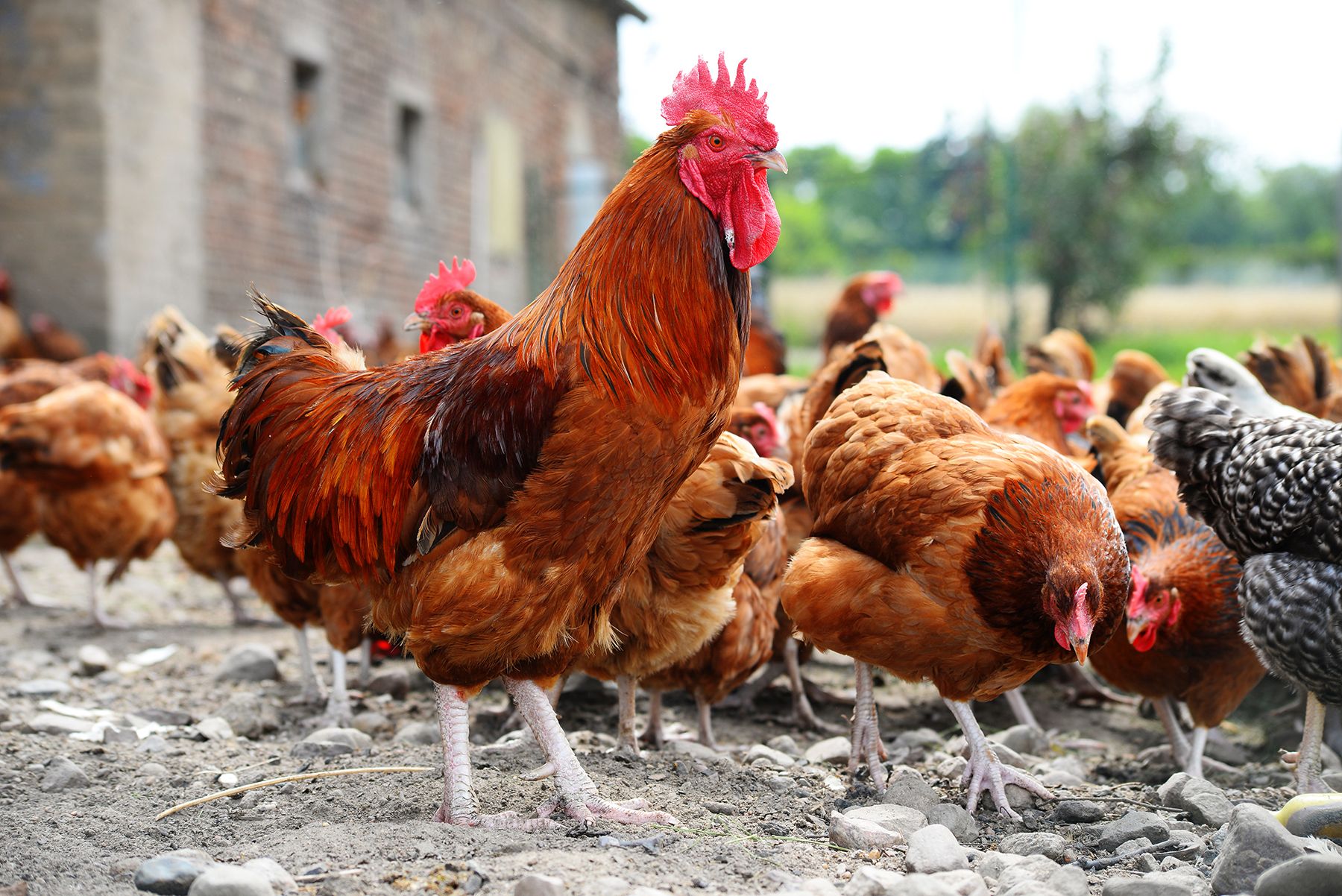
The benefits of apple cider vinegar in poultry water
Apple cider vinegar is a pantry staple some chicken keepers add to drinking water to make it slightly more acidic. At a sensible dilution, it may discourage some bacterial growth and support digestion in certain flocks. It is a supplement, not a substitute for clean water, good feed or veterinary care.
For Australian keepers, the useful question is whether vinegar suits the birds, climate and water system. Testing one clean drinker, watching intake and keeping other management steady gives a fairer answer than adding several supplements at once.
Clean water comes before any additive
Water is the nutrient birds use most often, so freshness and palatability affect intake and temperature regulation. A drinker fouled by heat, litter or dust can spread microbes through the flock before illness becomes obvious.
Cleanliness matters more than extra additives. Wash feeders, replace dirty seals and check hoses for leaks that wet litter and promote ammonia. Many suburban keepers fill a bucket from the kitchen tap each morning; a dedicated container keeps food residues out.
Rainwater collected from tanks in rural NSW, Queensland or South Australia can contain sediment, metals or pathogens, depending on catchment and maintenance. Diluted vinegar is not a purifier, so test questionable sources, screen collection areas and seek local advice when safety is uncertain.
What the acidity may actually do
The active ingredient in apple cider vinegar is acetic acid. Lowering the pH can discourage certain bacteria that prefer neutral or alkaline conditions. This may reduce contamination in equipment, but mild vinegar is not a steriliser and cannot kill pathogens reliably.
Poultry studies have examined crop and gut conditions, feed conversion and egg output when vinegar is added to water or feed. Results vary with strain, age and dosing. A flock already receiving clean water may gain little from another supplement.
A practical benefit may be slower bacterial growth in drinkers that stay wet and shaded from sunlight. If birds eat and drink normally, have bright eyes and produce normal droppings, extra vinegar may be unnecessary. Reduced intake or a swollen crop needs attention, not stronger acid.
Dilution protects birds and equipment
Start with dilution. A conservative range used for short trials is about 0.5% to 1%, meaning 5–10 mL of vinegar per litre of water. Follow the product label or poultry veterinarian's advice where it differs, and never pour neat vinegar into a drinker.
For a 10-litre drinker, that is 50–100 mL. Australian tablespoons measure about 20 mL, but a marked dosing cup prevents guesswork. Mix measured vinegar with clean water and prepare only one day's supply.
Continuous exposure can make water less appealing or interfere with normal intake, especially for chicks, tiny bantams or stressed birds. Check nipples and float valves for smooth operation, rinse equipment as directed and stop acidified water during medication unless the prescriber approves it.
Australian conditions shape the routine
Climate changes the routine. In Brisbane, Perth and northern NSW, summer heat pushes birds to drink more, while Melbourne's variable weather can leave a half-full drinker overlooked. Refill and shade drinkers often in heat, and serve small, fresh amounts rather than a large acidic batch.
Water source and household habits also matter. Urban mains water is generally treated, while rainwater tanks are common on farms and outback properties. Test suspect water and keep it out of birds' reach; vinegar cannot make unsafe water safe.
The hobby-poultry market includes specialist hatcheries, rural breeders, egg farmers and online sellers. Check state and territory biosecurity rules before moving birds or eggs, and ask a veterinarian about regional disease risks. Before ordering from a specialist breeder such as Premium Poultry Breeds, customers can review their sourcing standards.
In Australia, the Australian Pesticides and Veterinary Medicines Authority regulates products sold with claims to prevent or treat animal disease. Ordinary pantry vinegar is not a registered veterinary medicine. A commercial additive making therapeutic claims must follow its approved label; keep treatment decisions with a poultry veterinarian.
Choose the right vinegar and protect its quality
Choose plain apple cider vinegar with no added sugar, flavouring or preservative. Check the ingredient panel because supermarket pantry products vary, and a sweetened apple drink is unsuitable. Cloudiness from the natural mother does not indicate a flock-health benefit.
Store the bottle tightly closed in a cool, dark place away from heat and direct sunlight. Heat and storage can reduce flavour and potentially the acidity that makes diluted vinegar useful. Keep the measuring cup clean and dedicated to poultry water.
Do not combine vinegar with antibiotics, veterinary drenches, electrolytes or other water treatments unless a veterinarian confirms compatibility. Change one variable at a time so any change in intake or production can be traced.
A practical mixing and care checklist
Before mixing, gather clean water, a measured dosing cup and the vinegar label. For a short trial, use only a dilution approved by that label or your poultry veterinarian.
- Measure 5–10 mL per litre only when this matches the labelled rate and flock plan.
- Measure the daily batch carefully, and never add undiluted vinegar to a drinker.
- Use a clean container reserved for poultry water.
- Prepare a fresh batch each day and discard unused leftovers.
Then use this routine while watching the flock closely:
- Check drinkers morning and evening, with extra checks during hot weather.
- Watch drinking, feed intake, droppings, egg production and behaviour.
- Keep plain potable water available as a control during the trial.
- Remove the vinegar if birds hesitate to drink or appear unwell.
Record results for several days before changing anything else. If no clear difference appears, plain clean water is usually the most economical and practical choice.
Build a simple, measurable routine
A careful trial is simple: use one drinker, keep feed and housing unchanged, and compare water use, bird condition and egg production before and after. The same one-change trial method can be adapted for bantams, ducks and other birds kept in one household system.
Start with clean water and a measured batch. Keep the routine only if birds drink steadily, behave healthily and maintain normal production. Choose birds and breeding stock from a supplier that handles quality and shipping carefully, and begin a consistent flock record today.