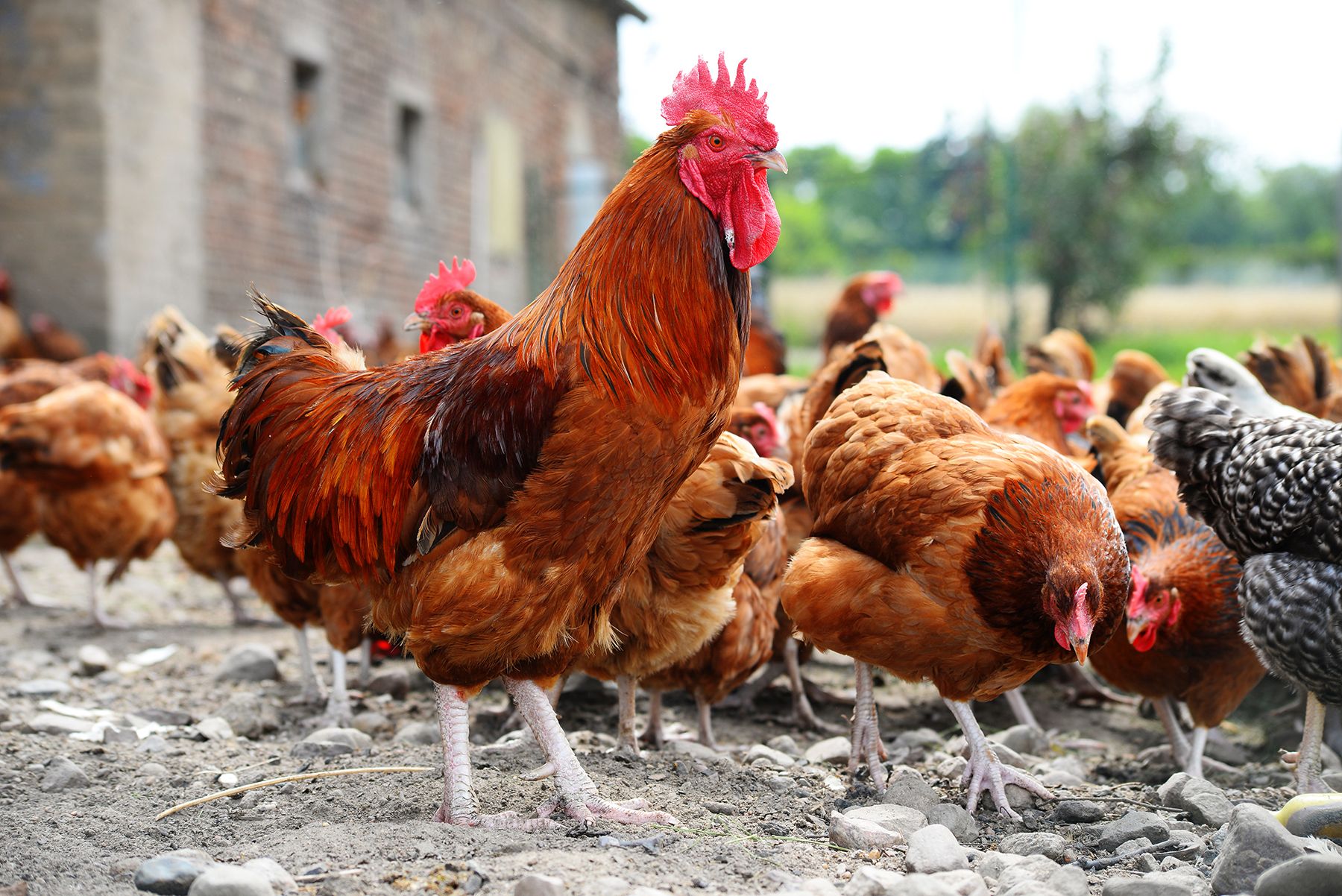
Why chickens and ducks make a strong mixed flock
A mixed flock of chickens and ducks suits Australian backyards, small farms and hobby plots. Chooks excel at scratching soil, while ducks forage widely and enjoy a water tub. Together they can provide eggs, reduce pests, create compost and add lively company while sharing much of the same outdoor space.
The arrangement works best when their different needs are planned. Shade, feed, quarantine and council rules all matter, and ducks have requirements that chickens do not. Compatible ages, clean water and gradual introductions will give the flock a calm start.
Backyard benefits that complement each other
Chooks scratch bare ground for insects and spilled seed, while their dust baths help keep feathers clean. Ducks eat slugs, snails and fly larvae around damp garden edges, but they must be kept away from young seedlings. Used together, the species cover more feeding areas than either bird would manage alone.
Both kinds produce manure for compost, but it is rich in nitrogen and must be handled properly. Mix it with dry bedding and other organic material, keep it away from water, and allow enough time for hot composting. Regular bedding changes then support soil health without spreading odour or disease.
Eggs, forage and useful household roles
Chickens provide a steady stream of eggs for cooking, baking and gifting, while ducks add larger eggs suited to baking. Some breeds also offer useful meat. For owners interested in unusual shell colours, blue eggshell genetics explains how colour is inherited and why breed crosses can produce surprises.
Foraging adds variety, but it does not replace a balanced ration. Offer age-appropriate chicken or duck feed, constant clean water and grit where birds access soil. Secure night housing protects feed, eggs and birds from foxes, feral cats and snakes.
Space, feed and daily care
A shared yard works when each species can rest appropriately. Chickens need a dry coop with secure perches and a scratching run; ducks prefer low shelters, deep bedding and easy access to a bathing container.
| Feature | Chickens | Ducks |
|---|---|---|
| Shelter | Dry coop, secure perches and good ventilation | Dry, low shelter with deep bedding |
| Yard use | Scratching area and dry dust bath | Grazing space and safe bathing tub |
| Feed | Complete chicken ration suited to age | Complete duck ration suited to age |
| Extra care | Reliable feed and grit | Duck feed, grit, clean water and secure fencing |
Ducks do not need a pond, but their water should be deep enough to immerse their heads and clear their nostrils. Refresh it often in warm weather. Store feed in sealed containers, and provide shade and ventilation during heat. In cool areas, keep bedding dry and shelter birds from wind.
Keep feed and water positioned so splashing does not foul either supply. Wide, stable containers reduce tipping and waste. Chickens still need a dry roost, while duck shelters should have a clear exit and enough floor space for everyone to settle without crowding.
Introducing birds without conflict
Quarantine new birds for about 30 days in separate accommodation before joining the flock. Check for parasites, respiratory signs, injuries and loose droppings, and seek advice from a poultry veterinarian or experienced local keeper. This rest period is especially important after transport.
After quarantine, let the birds see and hear one another before sharing a yard, then supervise early encounters. Keep ducklings and smaller birds away from aggressive birds. Several feeding and drinking points reduce crowding and make the transition smoother.
Sex affects harmony. Several drakes may fight or harass females, so many keepers maintain a ratio of about one mature drake to three to five females. Muscovy drakes need particular care because they can be rough with other species. Separating excess drakes and mature males is usually safer.
Australian climate, councils and biosecurity
Australian weather shapes housing. Perth and Adelaide can bring very hot, dry summers, so shade, cool water and early-morning or evening activity protect both species. Melbourne shifts quickly between cool and warm conditions, while regional NSW may experience intense heat, storms or dry winds. Check forecasts and prepare spare shelter before birds arrive.
Backyard poultry rules vary between councils and states. Some councils limit numbers, require approval for enclosures or regulate bird sales; others focus on sanitation, setbacks and vermin control. Check your council and state agriculture guidance before buying, and do not assume permission for chooks automatically covers ducks or shipping.
Biosecurity is equally important. During avian influenza alerts, movement restrictions can change quickly, especially for birds crossing state borders. Buy from reputable sellers, keep records and confirm current rules before interstate or international orders. Tasmania’s wet conditions make drainage and dry bedding especially valuable, while secure night pens remain essential against local predators.
Planning a balanced mixed flock
Start with the site’s purpose and available space. A backyard flock may combine calm chicken breeds with a small group of ducks, while a breeding project needs separate pens, accurate records and more space than a pet flock. Match bird numbers to shelter, pasture, water and cleaning time.
Choose healthy, correctly aged birds and establish how they will arrive. Confirm destination restrictions, quarantine space, suitable crates, carrier arrangements and a local support contact before ordering. A modest first group is easier to observe and leaves room to expand once the daily routine works well.
Prepare complete feed, grit, a secure coop, bathing tub, shade, fencing and an isolation pen before arrival. Premium Poultry Breeds offers live poultry and hatching eggs for homesteaders, breeders and poultry enthusiasts, with careful handling and shipping guidance. Browse the range, choose birds suited to your climate, confirm delivery arrangements for your area, and begin building a healthy mixed flock today.