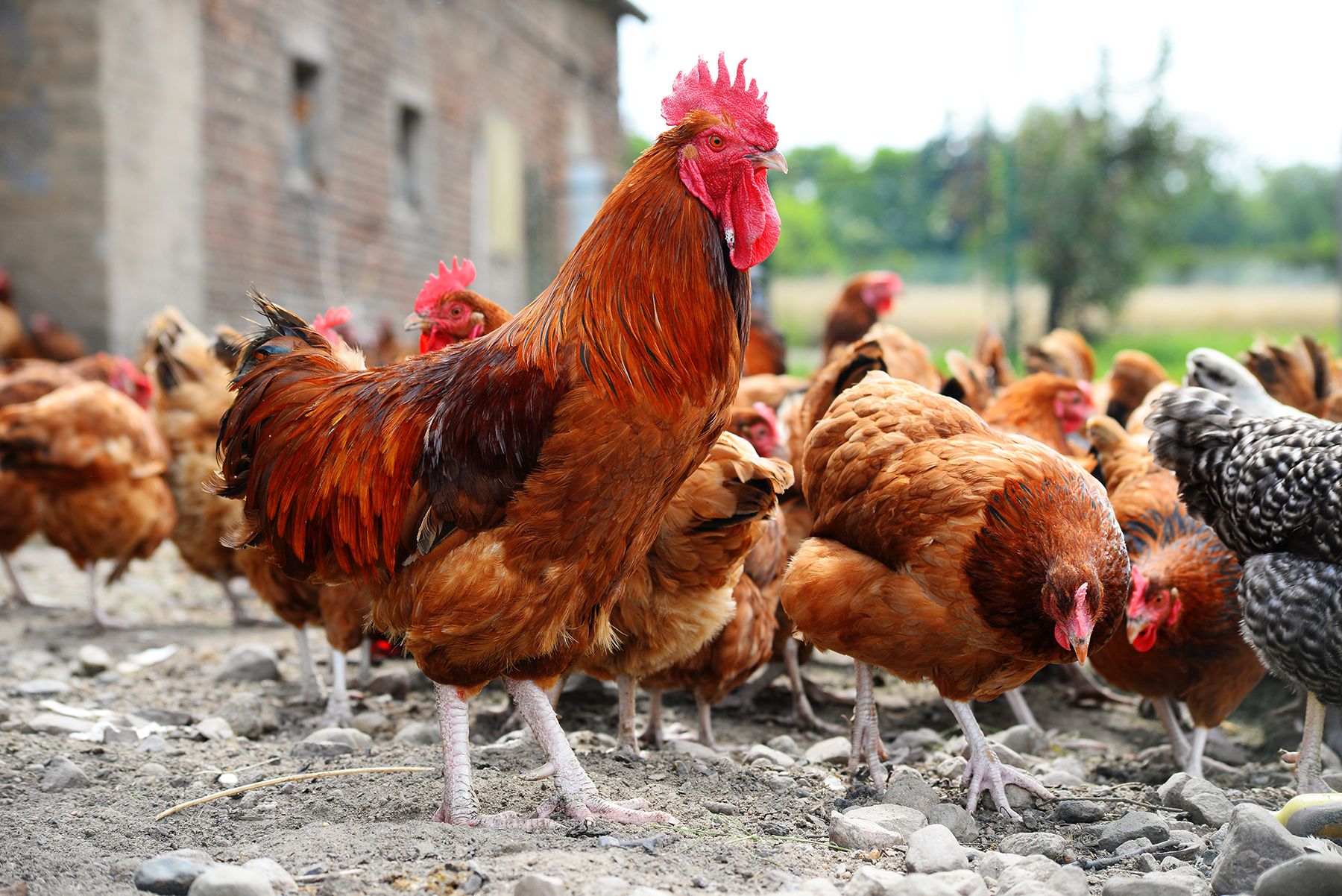
Selecting the ideal breed for a free-range meat operation
A successful free-range meat enterprise begins with choosing birds that suit the land, climate, processing plan, and customers. The fastest-growing chicken is not automatically the best choice when birds must forage, handle temperature swings, resist local predators, and produce a carcass that buyers value.
Australian producers also need to think beyond breed descriptions. Pasture quality, water security, transport distances, state regulations, and access to a licensed processor can influence profitability as much as growth rate. The right flock combines practical performance with dependable handling and a marketable eating quality.
Match growth rate to your production system
Fast-growing broiler strains can reach market weight quickly and offer excellent feed conversion. They are a strong option for a tightly managed enterprise with high-quality feed, shade, reliable water, and a clear processing schedule. However, rapid growth may be less suitable for long-ranging systems where birds walk extensively or face uneven pasture conditions.
Slower-growing meat birds and dual-purpose breeds often provide greater mobility and resilience. New Hampshire, Sussex, Australorp, and Plymouth Rock chickens can work well for small farms seeking a balance between meat production, outdoor activity, and flock longevity. Their growth may require extra feed and time, but they can fit a low-input homestead model more comfortably.
Consider Australian climate and pasture
Heat tolerance is crucial in regions such as Perth, inland New South Wales, and Queensland. Birds need well-ventilated shelters, substantial shade, cool clean water, and access to pasture that remains usable during dry periods. Breeds with active foraging behaviour can benefit from free range, yet even hardy birds will struggle if exposed to prolonged heat without protection.
In cooler parts of Victoria and Tasmania, winter shelter and muddy ground become bigger concerns. Select sites with good drainage and rotate paddocks to protect soil and pasture cover. A breed that performs well in a mild coastal climate may need a different management approach on a dry property near Adelaide or in a colder rural district outside Melbourne.
Balance carcass quality with customer demand
Before ordering chicks or hatching eggs, define the product you intend to sell. Families purchasing directly may prefer a medium-sized bird suitable for a Sunday roast, while restaurants may request consistent weights, specific portions, or a premium heritage flavour. Local farmers’ markets in Sydney, Brisbane, and regional centres can support a story-led product, but customers still expect reliable quality and clear availability.
Cornish-cross birds are widely recognised for breast meat and efficient growth, whereas heritage and dual-purpose breeds may offer firmer texture and stronger flavour. Some customers will pay more for pasture-raised, slower-grown poultry, provided the claim is supported by transparent husbandry. Breed choice should therefore reflect both eating quality and the time your operation can afford before processing.
Evaluate temperament, ranging ability, and predators
Free-range meat birds spend more time exposed to weather, fences, neighbouring livestock, and predators than birds kept in confined sheds. Active, alert breeds can make better use of pasture and may cope well with paddock rotation. Extremely docile birds can still be productive, but they may require closer protection from foxes, roaming dogs, and raptors.
Temperament also affects labour. Calm birds are easier to move, catch, weigh, and load for transport. Good fencing, secure night shelters, guardian animals where appropriate, and regular checks remain essential regardless of breed. In rural Australia, predator pressure can vary sharply between a suburban fringe property and a remote farm, so local experience should guide your final choice.
Plan for feed, health, and flock uniformity
A free-range label does not remove the need for a balanced ration. Birds obtain useful nutrients from insects, seeds, and pasture, but growing meat poultry still depends on dependable protein, energy, minerals, and fresh water. Feed costs should be calculated against expected live weight, mortality, processing yield, and the number of days each bird occupies the paddock.
Uniformity is especially important when selling by weight or booking limited processing dates. Keep simple records for hatch date, breed, growth, health treatments, losses, and feed use. When comparing options, a careful strategy comparison can be a useful reminder that confident claims should be tested against observable results from your own property.
Choose stock and sourcing with care
Healthy starting stock gives a meat operation a stronger foundation. Examine the supplier’s approach to breeding, handling, vaccination, packing, and transport, particularly when birds or hatching eggs must travel long distances across Australia. Chicks should arrive active and well hydrated, while eggs require careful incubation management and realistic expectations about hatch rate.
Start with a manageable trial rather than committing immediately to a large mixed flock. Compare two suitable strains under the same conditions and record growth, pasture use, temperament, feed intake, and carcass results. This approach reveals which birds truly suit your soil, weather, labour capacity, and customer base instead of relying solely on catalogue descriptions.
Selecting a free-range meat breed is a practical business decision shaped by climate, facilities, welfare, processing access, and local demand. Premium Poultry Breeds offers live poultry and hatching eggs for breeders, homesteaders, hobby farmers, and commercial-minded enthusiasts seeking dependable stock across a broad range of poultry types.
Browse suitable breeds, review your production goals, and select birds that can thrive in your Australian conditions while delivering the quality your customers expect. Start with a carefully planned flock and build from proven results.