Selecting the Best Dual-Purpose Chicken Breeds for Your Homestead
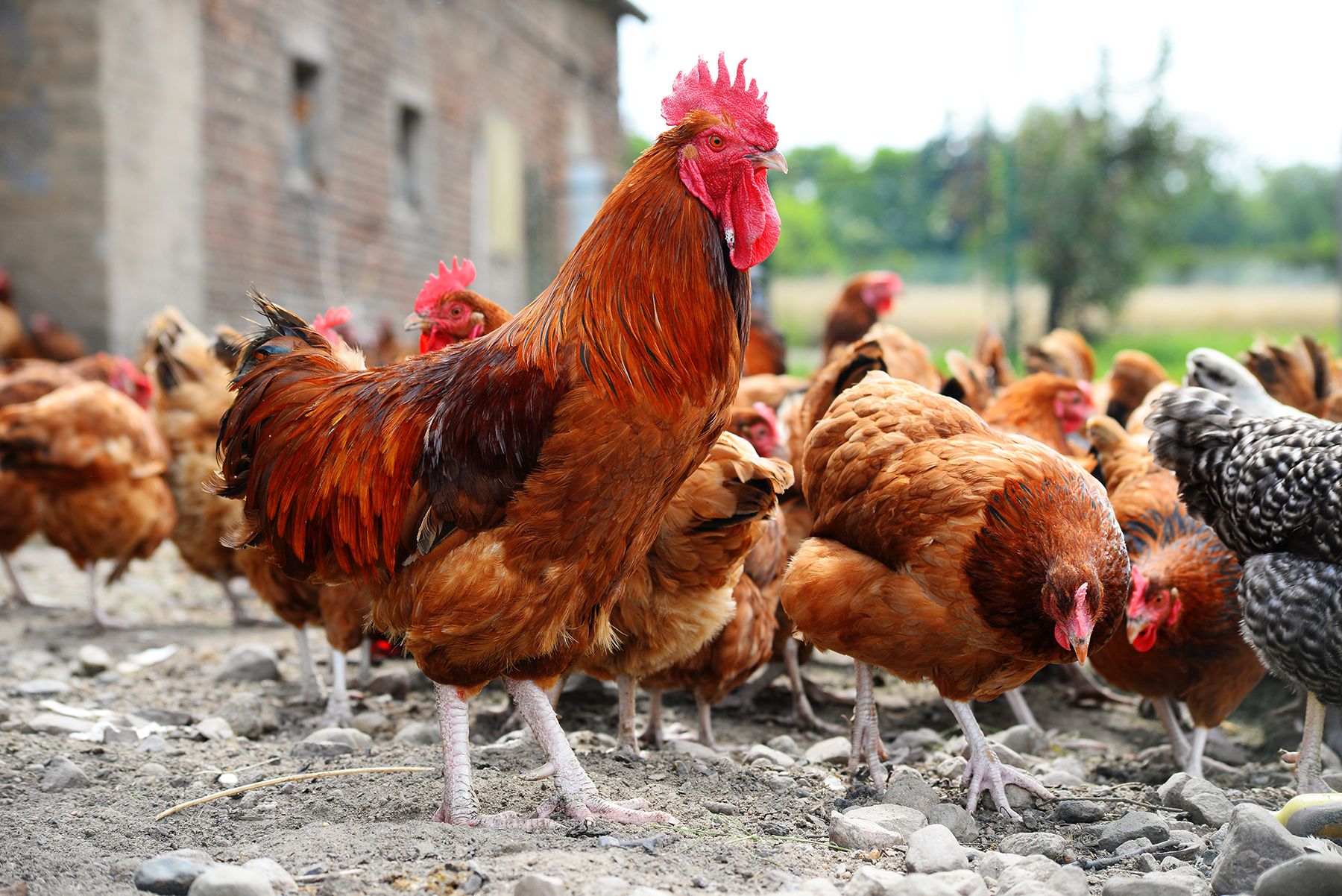
Australians embracing self-sufficient living are increasingly turning to heritage poultry as a practical path toward food security. Whether you manage a property in rural Victoria or tend a modest backyard in suburban Brisbane, dual-purpose chickens offer a reliable source of fresh eggs and quality meat from a single flock. The appeal extends beyond economics—these birds connect homesteaders to traditional farming practices while thriving in varied Australian conditions.
Choosing breeds that handle both warm summers and chilly winters saves money and reduces the complexity of maintaining separate laying and meat flocks. Many Australian smallholders prioritise birds that forage effectively, resist common parasites, and remain productive without constant intervention. Understanding which breeds match your climate, space, and goals is the first step toward a successful flock.
Working out which characteristics matter most helps narrow the field considerably. Egg output, growth rate, temperament, and climate hardiness all influence the practical value of a breed. A careful comparison of heritage options reveals clear winners for different Australian regions and homestead setups.
Defining What Dual-Purpose Really Means
A genuinely dual-purpose breed produces a respectable number of eggs each week while also growing heavy enough to provide a meaningful meal. Commercial hybrids often outperform heritage birds in a single category, but they rarely balance both functions adequately. Homesteaders typically value steady laying over peak production, favouring birds that continue producing well into their third or fourth year.
Meat quality matters as much as quantity for those raising birds for the table. Heritage breeds generally grow more slowly than industrial broilers, but the resulting meat carries deeper flavour and firmer texture. Birds allowed to roam, scratch, and forage develop muscle tone that translates into better eating. This slower growth suits small-scale management, where feed costs and processing logistics shape decisions.
Climate tolerance sits alongside productivity in importance. A breed that excels in temperate Tasmania may struggle through a Queensland summer, while a heat-resistant bird might not cope with frosty Ballarat mornings. Selecting stock suited to local conditions reduces losses and keeps the flock comfortable year-round.
Heritage Breeds Suited to Australian Conditions
Several heritage breeds have proven their worth across Australian properties over many generations. Rhode Island Reds handle heat reasonably well and lay large brown eggs consistently, making them popular from Perth to the Hunter Valley. Plymouth Rocks offer docile temperaments and reliable production, suiting families with children who want birds that are easy to handle.
Sussex chickens adapt well to free-range setups and provide a good balance of eggs and meat. Wyandottes come in several colour varieties and tolerate cold snaps common in southern tablelands, while their rose combs resist frostbite. Orpingtons, particularly the Buff variant, remain a favourite for their gentle nature and brooding tendencies, though their heavy feathering requires shade during extreme heat.
Australorps deserve special mention as the breed was developed in Australia and refined for local conditions. These birds hold the world record for egg production and continue laying through hot summers when other breeds slow down. Their black plumage absorbs heat, so providing ample shade in northern regions remains essential, but their hardiness makes them a cornerstone breed for many Aussie flocks.
| Breed | Annual Egg Production | Mature Weight | Climate Suitability | Temperament |
|---|---|---|---|---|
| Australorp | 250–300 | 3.5–4 kg | Heat-tolerant, cool-climate capable | Calm, docile |
| Rhode Island Red | 200–250 | 3.5–4 kg | Adaptable, prefers temperate zones | Hardy, active |
| Plymouth Rock | 200–240 | 3.5–4.5 kg | Cold-hardy, moderate heat tolerance | Friendly, easy to handle |
| Sussex | 180–220 | 3.5–4 kg | Versatile, needs shade in extreme heat | Curious, gentle |
| Wyandotte | 180–200 | 3–3.5 kg | Excellent cold tolerance | Calm, confident |
Climate and Regional Considerations
Australia's diverse climate zones demand thoughtful breed selection. Homesteaders in tropical Cairns or Darwin benefit from birds with large combs and wattles that dissipate heat effectively. For dual-purpose goals in the north, Australorps and Rhode Island Reds typically outperform heavier, fully-feathered breeds that struggle with sustained high temperatures.
Southern regions like Adelaide and Hobart experience cooler winters that suit heavier birds with smaller combs. Wyandottes, Plymouth Rocks, and Orpingtons thrive in these conditions, continuing to lay through mild cold snaps. Providing windbreaks and dry shelters extends their comfort and productivity during winter storms.
Coastal humidity along the eastern seaboard creates challenges with respiratory health and parasite pressure. Breeds with loose feathering that allows air circulation tend to cope better, and regular dry bedding helps prevent issues. Inland arid zones around Broken Hill or Alice Springs require reliable water access and shade structures, as temperature swings stress even hardy breeds.
Sourcing Healthy Stock and Hatching Eggs
Starting with quality breeding stock establishes the foundation of a productive flock. Many Australian homesteaders prefer hatching eggs shipped from established breeders, as this reduces the risk of introducing diseases that can accompany older birds. Premium Poultry Breeds offers carefully selected hatching eggs, with quality eggs from vigorous breeding stock packaged to maintain viability during transit.
Ordering from reputable suppliers who follow strict biosecurity protocols protects your existing birds and ensures you receive healthy, fertile eggs. Australian biosecurity regulations govern the movement of poultry and hatching eggs between states. Checking current requirements with your state department of primary industries prevents costly delays or rejections.
Long-Term Management and Selective Breeding
Maintaining a productive dual-purpose flock over multiple generations requires attention to breeding selection. Choosing the strongest layers and best-conforming birds for reproduction gradually improves flock performance. Many smallholders keep detailed records of egg production, growth rates, and health to identify superior stock.
Integrating chickens with vegetable gardens creates a symbiotic relationship that benefits both systems. Birds control pests, fertilise soil, and clear spent crops, while gardens provide shade, varied forage, and kitchen scraps. This integrated approach suits the holistic land management philosophy common among Australian permaculture practitioners.
Feed costs represent the largest ongoing expense for any poultry operation. Sourcing local grain, allowing access to pasture, and supplementing with kitchen and garden waste reduces reliance on commercial pellets. During dry periods or drought, planning ahead with stored feed maintains flock condition when forage disappears.
Browse the Premium Poultry Breeds catalogue to find heritage breeds suited to your property and goals. Whether you are starting a small backyard flock in Melbourne or expanding an established breeding program in regional Queensland, quality stock and reliable shipping support your self-sufficient journey. Order hatching eggs or live chicks today and take the next step toward a productive, resilient homestead flock.