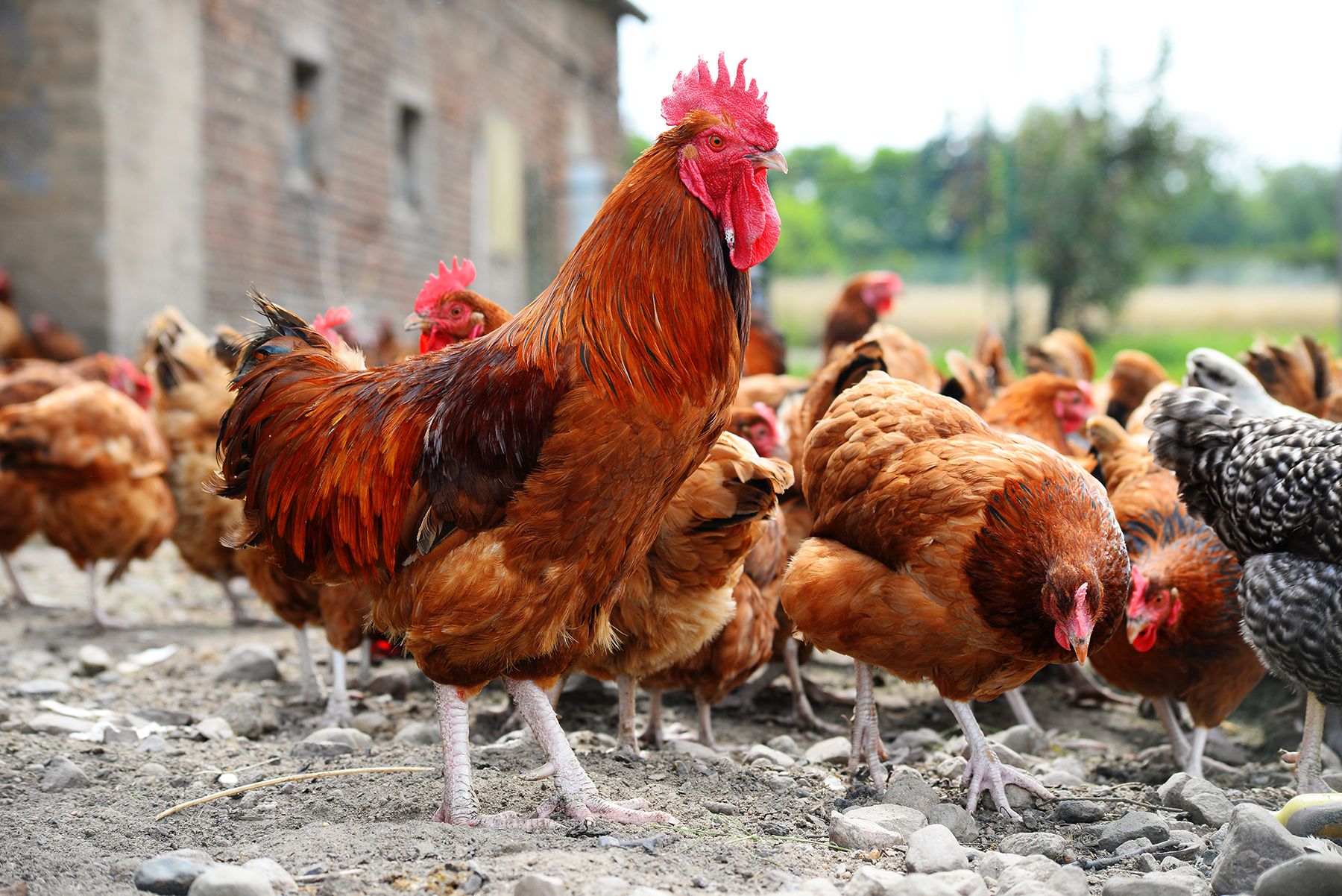
Guinea Fowl Growth Stages From Keet To Adult
Guinea fowl are energetic, watchful birds that can thrive on a homestead when their early care is carefully managed. The first weeks are the most demanding because keets are small, sensitive to dampness, and less capable of regulating body temperature than mature birds.
Raising guinea fowl from keets to adulthood involves several recognizable milestones: stable brooding, rapid feather growth, outdoor acclimation, flock bonding, and eventual breeding behavior. Each stage calls for adjustments to housing, nutrition, protection, and daily handling.
Healthy stock gives young guinea fowl the strongest start. Select active keets with clear eyes, clean vents, steady movement, and good body condition, then prepare the brooder before they arrive so heat, water, feed, and bedding are ready.
Preparing A Safe Brooder
A brooder should be draft-free, dry, and large enough for keets to move toward or away from the heat source. Begin at approximately 95°F during the first week, measuring the temperature at keet level. Reduce the heat by about 5°F each week as the birds feather and become more mobile.
Their behavior is a useful temperature guide. Huddling directly beneath the lamp usually means they are cold, while spreading far from the heat source and panting indicates overheating. Comfortable keets move around, eat, drink, and rest in small groups.
Use absorbent bedding with good traction, such as pine shavings or textured paper. Avoid slick surfaces, which can contribute to leg problems. Keep waterers shallow and stable, and place clean pebbles in the first drinkers if needed to reduce the risk of drowning.
Nutrition And Early Development
Guinea keets benefit from a high-protein game bird or turkey starter, often in the range of 24–28% protein during early growth. Fine crumble is easier for them to consume than large pellets. Fresh feed should remain dry, and spilled food should be removed before it becomes damp or moldy.
Clean water is equally important. Keets can decline quickly from dehydration, especially after transport, so check drinking activity several times daily during the first week. Damp litter, contaminated drinkers, and sudden feed changes increase the risk of illness.
Unlike juvenile quail, guinea keets tend to become highly active and exploratory as they grow. A secure brooder lid is essential because they begin jumping and fluttering earlier than many new keepers expect.
Growth Milestones At A Glance
The timetable below is a practical guide rather than a rigid schedule. Weather, breed type, nutrition, and individual development can cause modest differences between flocks.
| Age | Typical Milestone | Main Care Priority |
|---|---|---|
| 0–1 week | Relies heavily on external heat and close monitoring | Warmth, hydration, dry bedding |
| 2–3 weeks | Becomes more active and begins stronger wing movement | Room to move and secure brooder cover |
| 4–6 weeks | Feathering increases and heat needs decline | Gradual temperature reduction and high-protein feed |
| 6–8 weeks | May begin short outdoor periods in suitable weather | Supervised acclimation and predator protection |
| 8–12 weeks | Develops stronger flight ability and flock habits | Covered runs, perches, and consistent routine |
| 14–20 weeks | Approaches adult size and sexual maturity | Adult housing and balanced maintenance diet |
| 6–8 months | Many hens begin seasonal laying | Nesting areas and breeding flock management |
Moving Keets Outdoors
Most guinea fowl can begin supervised outdoor acclimation around six to eight weeks, provided they are fully feathered, active, and the weather is mild. Start with short daytime sessions in a covered enclosure. Extend the time outdoors gradually rather than moving them straight from a brooder into a large range.
Guinea fowl are excellent flyers and can become surprisingly difficult to recapture. A roofed run, tall fencing, or netting prevents early escapes and protects them from hawks, owls, foxes, dogs, and other predators. Give them shade, dry shelter, and several places to retreat.
The flock should learn where food, water, and nighttime shelter are located. Many keepers confine young guineas to their permanent coop for several weeks before allowing free-ranging. This helps establish a home base and improves the chance that they will return at dusk.
Social Behavior And Adult Housing
Guinea fowl are strongly social, so raising a single keet is rarely ideal. A small group is more secure and behaves more naturally. They communicate with loud calls, investigate unfamiliar objects, and may become unsettled when separated from flock mates.
As they mature, provide ample floor space, sturdy roosts, and well-ventilated shelter. Adult birds tolerate cool conditions when dry and protected from drafts, but wet weather and muddy ground can cause health and foot problems. Keep bedding fresh and avoid overcrowding.
Males and females can be difficult to distinguish by appearance alone. Their calls are often more reliable: females commonly produce a two-syllable call, while males tend to make a sharper, single-syllable sound. Listen over time rather than relying on one brief observation.
Preparing For Breeding And Laying
Guinea hens often begin laying at roughly six to eight months, with production influenced by daylight, nutrition, breed, and climate. They frequently prefer secluded outdoor nests, which can make eggs difficult to find. Providing quiet nesting areas inside a secure shelter may encourage safer collection.
A breeding flock needs consistent access to clean water, complete adult feed, calcium for laying hens, and protection from excessive stress. If you plan to incubate eggs, collect them frequently, handle them gently, and store them under suitable conditions before setting. The fertility storage guide can help with planning around collection and incubation timing.
Allow mature birds to establish compatible pairs and avoid excessive inbreeding. Keep records of parentage, hatch dates, health observations, and temperament. These simple notes become valuable when selecting future breeders or expanding a heritage flock.
Daily Care Priorities
A dependable routine helps reveal small problems before they become serious. Observe each group at feeding time, check droppings and activity, and inspect feet, eyes, vents, and feathers regularly. Isolate birds that appear weak, lethargic, injured, or unusually quiet.
Focus on these practical habits:
- Keep brooder temperatures consistent and reduce heat gradually.
- Replace wet bedding immediately and clean drinkers every day.
- Use a secure roof or netting before keets begin strong flight.
- Provide high-protein starter feed through the rapid growth stage.
- Introduce outdoor ranging slowly and teach the flock to return to shelter.
With careful brooding, suitable nutrition, and dependable predator protection, guinea fowl can develop into hardy, alert adults that contribute insect control, flock companionship, and distinctive character to a working homestead. Begin with healthy keets or quality hatching stock from Premium Poultry Breeds, and build each stage around clean housing, calm handling, and consistent observation.