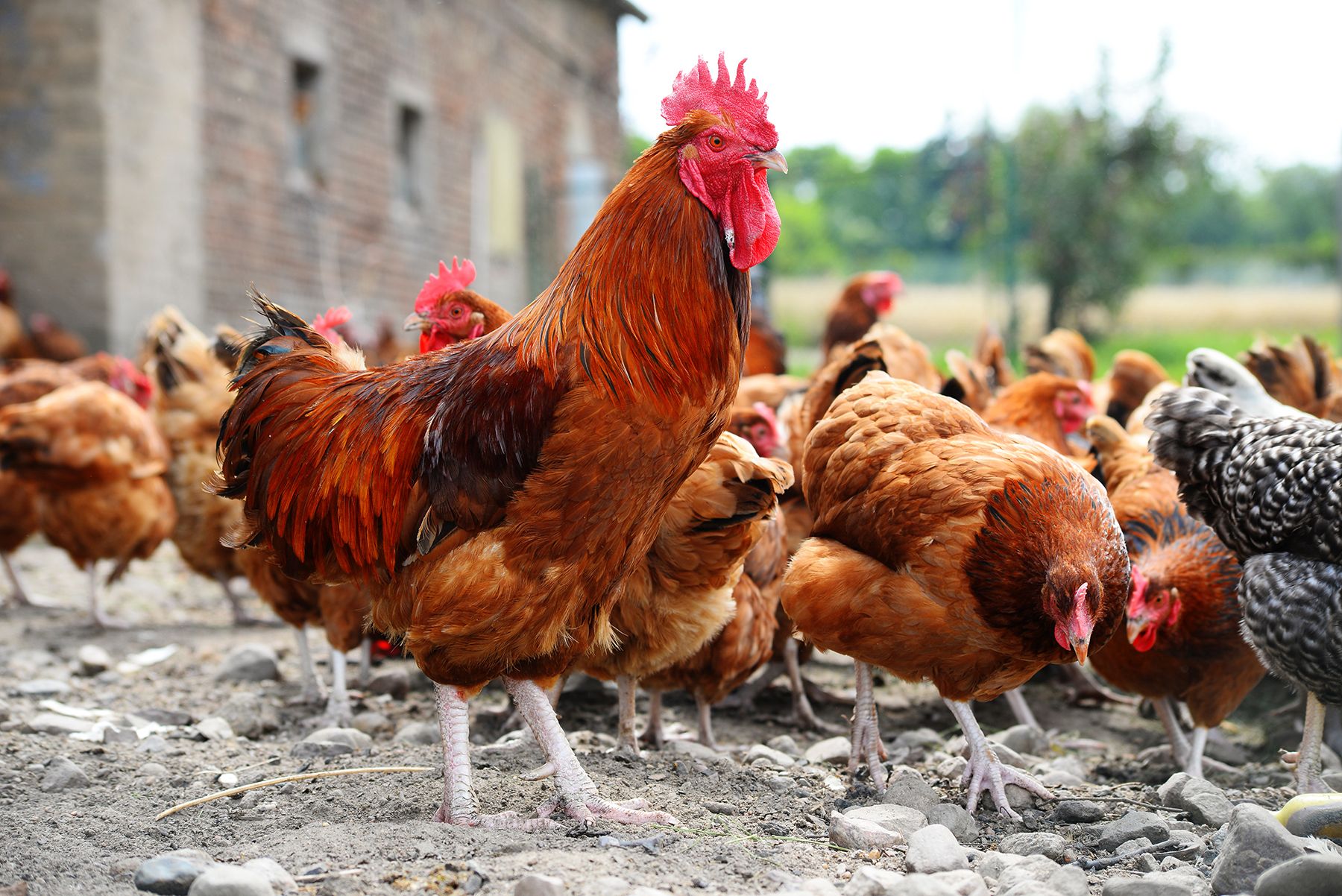
Raising guinea fowl for tick control on rural properties
Guinea fowl can be a useful part of tick control on rural properties, especially where grass, scrub and shelter give birds room to forage. Their strong appetite includes ticks and other arthropods, so a well-managed flock can reduce adult ticks available to bite livestock, poultry and pets. The benefit is supplementary rather than absolute: performance changes with tick species, season and habitat.
Tick pressure is not uniform across Australia. Cattle tick is a major concern in parts of northern Queensland and northern New South Wales, while paralysis tick occurs in cooler, high-altitude districts of southeastern New South Wales and Victoria. Guinea fowl may not suppress these species equally, so local history should guide the flock’s role.
Treat the birds as one layer of integrated tick management rather than a stand-alone cure. Combine their foraging with pasture hygiene, livestock inspection, veterinary prevention and monitoring, while protecting the flock from predators, heat and escape. Careful sourcing, quarantine and secure housing are as important as the anticipated pest-control benefit.
| Method | Main contribution | Best fit | Main limitation |
|---|---|---|---|
| Guinea fowl | Consume ground-dwelling ticks and insects | Broad rural runs with secure fencing | Supplementary; results vary with habitat and tick species |
| Ducks | Eat aquatic invertebrates and insects near dams | Wet areas and integrated farm pest control | Limited effect against terrestrial adult ticks |
| Routine prevention | Mowing, host checks, approved treatment and monitoring | Properties needing reliable tick reduction | Requires labour, records and correct timing |
What guinea fowl can and cannot do
Guinea fowl spend much of the day walking, scratching through leaf litter and grazing short grass. This behaviour exposes them to ground-dwelling ticks and other arthropods, which they can consume. A balanced diet and sound body condition help sustain foraging, but supplementary feed does not turn them into specialist tick predators.
They are most useful against exposed adults and other mobile insects, not ticks buried in soil or securely attached to a host. Their broad diet may also include beneficial beetles and pollinators, so a very large flock can create another ecological pressure. Keep numbers proportionate to the area and available forage.
Most importantly, guinea fowl should supplement—not replace—mowing, host treatment, veterinary advice and surveillance. Ask a local livestock or veterinary adviser which tick species occur on the property and when they are active. That knowledge determines whether guinea fowl fit the farm’s real pest-control plan.
Choosing birds and observing local rules
Choose healthy, active birds from a reputable breeder or specialist live-poultry supplier. Look for alert eyes, clean feathers, steady movement and no signs of respiratory distress. Ask whether birds are sexed; breeding females need nest and male management, while a small non-breeding group may be easier in a quiet residential setting.
Local rules deserve attention before the birds arrive. Councils around Brisbane, Sydney and Melbourne may impose stock limits, setbacks, sanitation conditions or approval requirements, and rural shires can have their own rules. Check the relevant council, the state poultry code and any current biosecurity alerts, especially for rural-urban fringe holdings.
Quarantine new birds separately for about 30 days where practicable, following veterinary and state guidance. For overseas purchases, confirm customs clearance and Biosecurity Australia import conditions before committing; a supplier’s ability to ship does not guarantee that every destination permits live poultry.
Building secure housing for Australian weather
Guinea fowl need a dry, predator-proof night house with strong welded mesh, a solid roof and secure latches. Foxes, raptors, dogs and feral pigs can take birds or force them through weak fencing. Check closures and buried or apron-style mesh regularly, particularly after storms in inland New South Wales and Queensland.
Australian weather can shift quickly. In northern Queensland, provide deep shade and cool ventilation; in cool, wet Victorian highlands, keep bedding dry and shelter wind-driven rain. A dust-bathing area, dry litter and high perches help maintain condition, but a cramped coop concentrates disease and vermin.
Give the flock a secure daytime run and rotate access to vulnerable pasture. Guinea fowl can fly well and range widely, so conventional poultry fencing may be inadequate. Properly installed electric netting can contain them, while gate latches, tree perches and garden protection prevent escapes and damage near the house.
Managing mixed flocks and poultry health
Guinea fowl can be pushy around feeders and may bully smaller birds, especially during breeding. Give mixed flocks several feeding and watering points, watch for toe injuries and feather loss, and separate new groups until a stable hierarchy forms. Waterfowl can complement insect control, although juvenile ducks are generally more useful near dams than against terrestrial ticks.
Biosecurity matters because newly purchased birds may bring infections that spread rapidly through shared water, litter and equipment. Keep wild birds out of feed and water, clean containers between groups, and follow restrictions around poultry exhibitions and gatherings. Australian disease alerts can change with surveillance conditions, so check current state advice before moving birds.
Australian hobby-poultry sales often occur through farm-gate transactions, specialist auctions, shows and swap meets rather than ordinary retail shelves. Events around Melbourne, Sydney and regional New South Wales bring birds from many premises together. Use clean, ventilated crates, avoid a gathering during quarantine, and clean the vehicle and equipment before returning home.
Creating a seasonal routine and taking action
Start with a seasonal plan. Repair fencing and confirm shade before spring growth increases tick activity, check the flock’s condition through the hot inland summer, and provide dry shelter as Victorian and Tasmanian conditions cool. Keep the run rested where overuse is exposing soil, and monitor predators after wet weather or mating season.
Record bird numbers, forage condition, tick observations, veterinary treatments and egg production. These simple logs reveal whether the flock is genuinely helping or merely adding pressure to the run. A local adviser can set appropriate check intervals and stocking levels, which may differ between cattle-tick districts and cooler highland properties.
If you are ready to develop a mixed, well-managed poultry run, browse the healthy live-poultry options at Premium Poultry Breeds. Compare species and age, confirm delivery and handling arrangements, and check local biosecurity requirements before ordering. A modest flock, introduced with a clear integrated-control plan, gives the best chance of useful results.