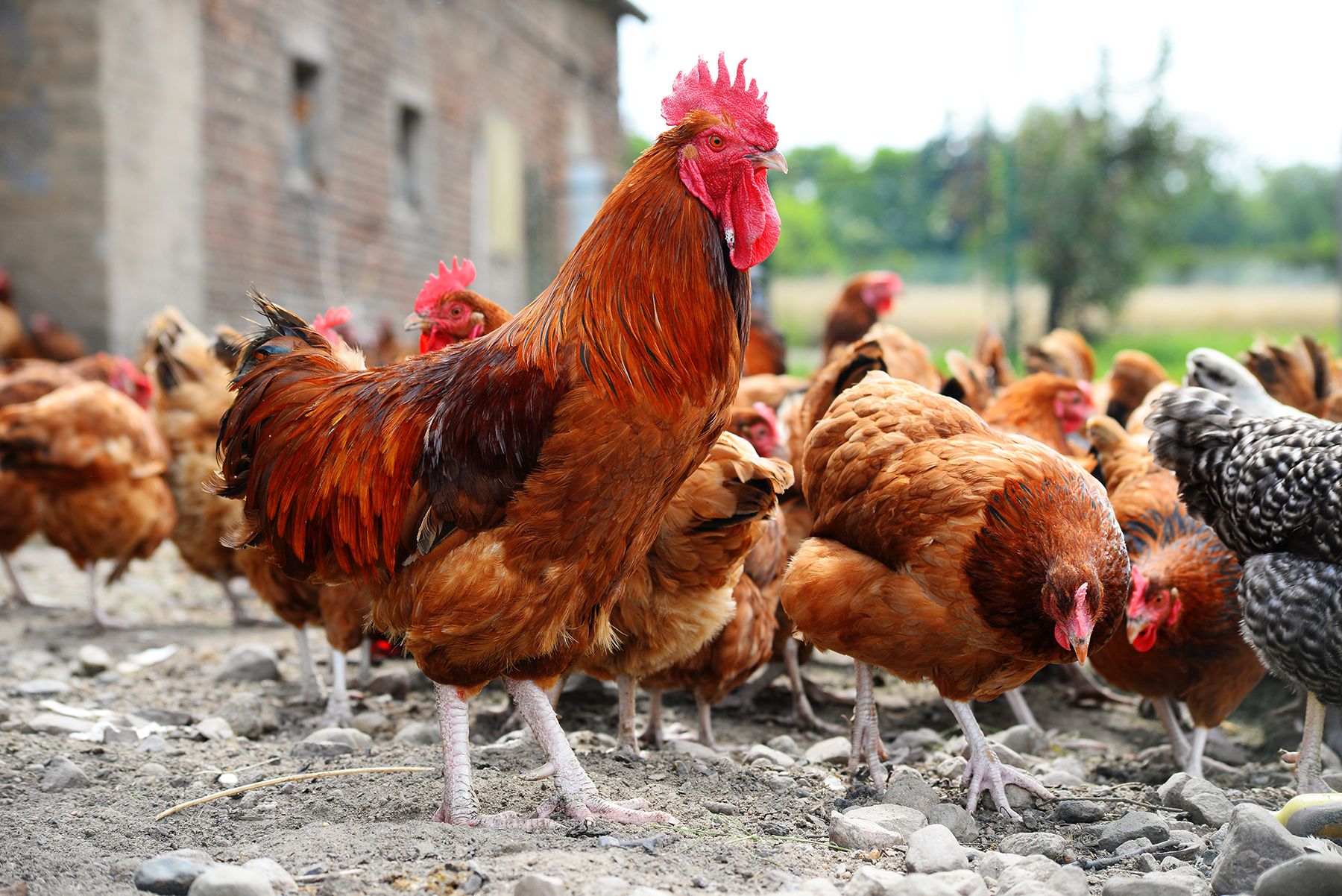
Raising Bronze Turkeys for Their Ornamental Value
Bronze turkeys bring presence, colour and movement to a smallholding. Their dark, lustrous plumage can flash copper, green and bronze in the sun, while their upright carriage gives an aviary, orchard or farm entrance a striking focal point. Although they can provide meat and useful breeding stock, many keepers value them primarily as impressive heritage birds.
For Australian homesteaders and poultry enthusiasts, the key is to balance appearance with practical care. Heat, sudden weather changes, predators, state biosecurity rules and limited space all influence how successfully these large birds settle into a property. With thoughtful management, Bronze turkeys can become calm, healthy ornaments rather than demanding additions to the flock.
Choosing Birds With Strong Ornamental Qualities
When selecting Bronze turkeys, look for a broad body, balanced stance, clean legs and bright, even feathering. The plumage should show a rich bronze sheen rather than looking dull or excessively faded. A well-shaped tail, sound feet and an alert but composed temperament are valuable traits for display birds.
Sex also affects their visual impact. Toms develop a larger frame, fuller tail and more pronounced head and neck features, while hens are generally smaller and easier to manage. If the aim is a breeding group, choose unrelated birds with sound conformation rather than selecting solely for size or the most dramatic colour.
Healthy stock should have clear eyes, smooth feathers, steady movement and no signs of respiratory distress. Buyers can review premium turkey stock when seeking carefully handled birds or hatching options for an ornamental flock.
Designing A Suitable Australian Enclosure
Bronze turkeys need considerably more room than chickens. A spacious run allows them to walk, display, dust-bathe and forage without constantly damaging the ground. Strong perimeter fencing is essential, as adult birds can be surprisingly capable wanderers. A covered section offers protection from rain, harsh sun and aerial predators.
In Queensland and northern New South Wales, shade is especially important during hot, humid weather. Several shaded areas are better than a single small shelter, because large birds can crowd together when trying to escape the sun. In southern Victoria or Tasmania, a dry, wind-protected shed helps birds cope with cold nights and wet winter conditions.
Use secure gates and inspect fencing regularly. Foxes, roaming dogs and goannas can threaten poultry, while snakes may target young poults or eggs. Keep feed stores sealed, remove scraps promptly and avoid creating dense hiding places around the enclosure.
Feeding For Feather Quality And Growth
A balanced turkey starter or grower ration supports frame development, muscle, immune function and attractive plumage. Poults need a feed formulated for their age rather than ordinary layer pellets, which may not provide the right nutrient profile. As birds mature, gradually move them to an appropriate adult ration and provide clean water at all times.
Foraging adds interest and can improve the flock’s daily activity. Bronze turkeys may enjoy grass, leafy weeds and suitable garden produce, but these should supplement a complete ration rather than replace it. Grit helps birds process fibrous material, and oyster shell should be offered carefully, especially where hens need additional calcium for eggshell formation.
In an Australian summer, drinkers can become warm or contaminated quickly. Place them in shade, refresh them regularly and use containers that are difficult for large birds to tip. Good nutrition and hydration show in firm feathering, active behaviour and steady growth.
Managing Temperament And Social Behaviour
Turkeys are social and usually do best with compatible companions. A lone bird may become stressed, unusually vocal or overly attached to people. Keeping a small group can support natural behaviour, although the enclosure must be large enough to prevent bullying and competition around food and shelter.
Toms may become assertive during the breeding season. Calm, consistent handling from an early age helps them remain manageable, but children should not be left unsupervised with large adult males. Avoid chasing birds around the yard; guide them with panels, feed rewards or quiet movement instead.
Bronze turkeys can live alongside other poultry, but mixed flocks require care. Blackhead disease is a particular concern where turkeys share ground with chickens that may carry the parasite without appearing ill. Separate housing, clean footwear and sensible quarantine are important parts of Australian poultry biosecurity.
Breeding And Display Considerations
A breeding pen should provide privacy, dry nesting space and enough room for hens to move away from an interested tom. Hatching eggs need to be clean, correctly stored and handled gently before incubation. Keep records of parentage, hatch dates, feather quality and temperament so future pairings improve the flock rather than simply increasing numbers.
For ornamental purposes, presentation begins with welfare. Birds with clean feet, intact feathers and adequate space will look far better than those kept on muddy, overcrowded ground. Natural landscaping, mown grass, low shrubs and a well-maintained shelter can create an attractive setting without restricting movement.
If birds are transported between properties or states, check current government requirements first. Australian rules can differ between Western Australia, South Australia, Queensland, Victoria and other jurisdictions, and local councils may also regulate poultry numbers, noise or housing. Buying from a reputable breeder and allowing new arrivals a quarantine period reduces avoidable health risks.
Comparing Ornamental Turkey Options
Bronze turkeys suit keepers who want a substantial heritage bird with metallic colouring and traditional farm character. Other varieties may appeal where space is tighter or a brighter pattern is preferred. The right choice depends on adult size, temperament, climate and the visual style of the property.
| Variety | Ornamental Appeal | Typical Strength | Management Note |
|---|---|---|---|
| Bronze | Deep copper, green and chocolate sheen | Heritage appearance and impressive size | Needs generous space and shade |
| Royal Palm | Crisp white plumage with black edging | High-contrast exhibition look | Feather cleanliness is especially visible |
| Narragansett | Grey, black and white patterning | Calm heritage character | Suits a well-managed mixed homestead |
| White | Clean, bright silhouette | Simple formal presentation | Staining shows quickly on muddy ground |
A Bronze turkey flock can be a memorable feature of an Australian property when its welfare comes first. Choose sound birds, provide room to roam, protect them from heat and predators, and maintain strict hygiene around feed, water and new arrivals. Explore suitable live birds or hatching eggs from Premium Poultry Breeds, then prepare the enclosure before your new flock arrives.