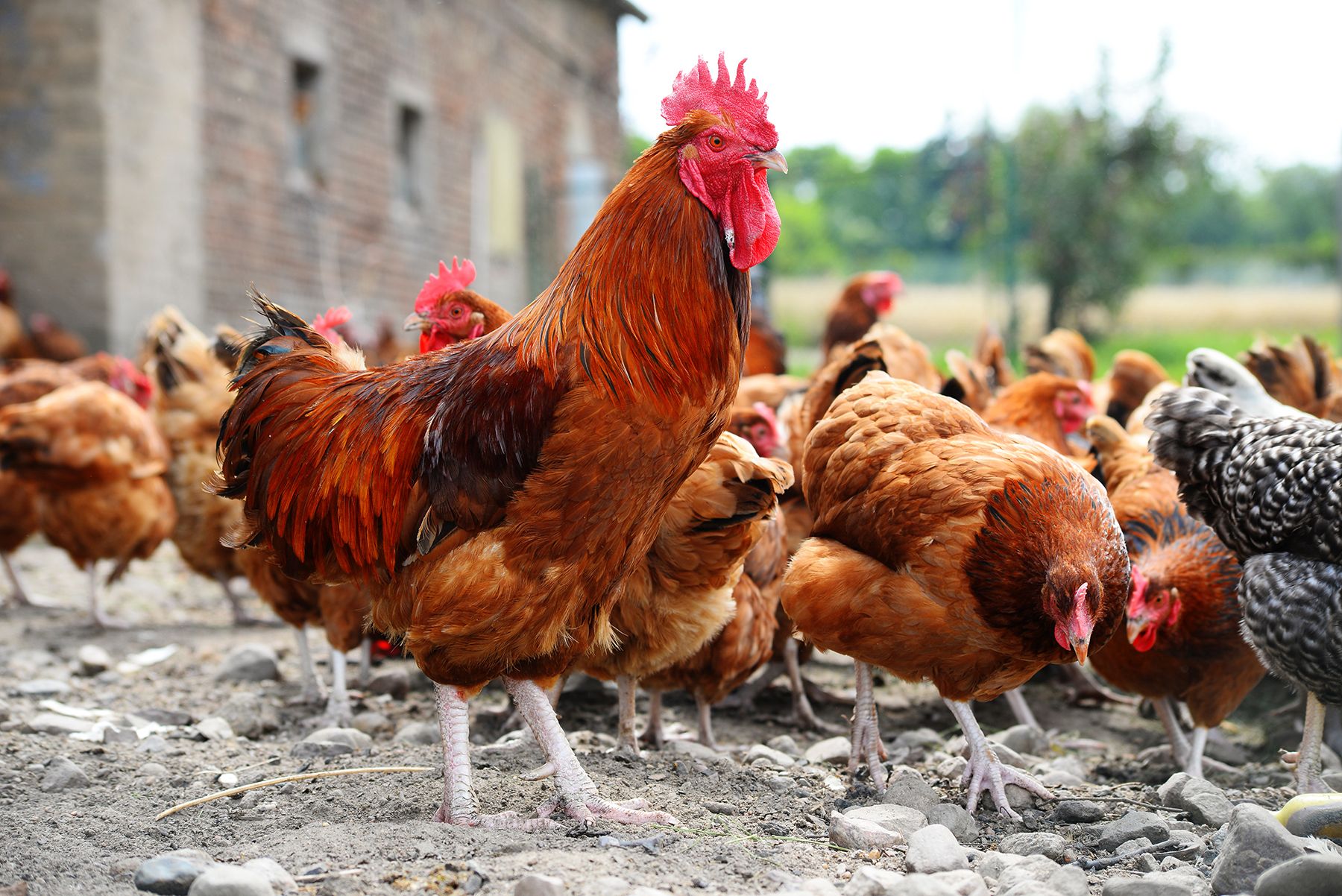
Bronze Turkeys for Big Birds and Breast Meat
Bronze turkeys are among the heaviest heritage birds a backyard keeper can raise, and Australian homesteaders have long valued them for size. A well-grown tom can weigh more than 30 kg at the hook, while the hens are hardy, attentive mothers and useful in the yard. The dark, coppery birds look impressive at the farm gate, and their broad breast muscle is the reason many butchers and restaurants in Melbourne, Sydney and Brisbane keep coming back for them.
Raising them takes planning, though, because turkeys grow faster than chooks and ask for more space, more feed and dry, well-aerated housing. This guide walks through choosing stock, building a shed, feeding for maximum breast yield, breeding, health and marketing, so you can judge whether these birds suit your block, your flock and your freezer before you spend anything on poults.
Why Bronze turkeys suit Australian smallholdings
The Bronze is a genuine heritage breed, with glossy bronze-brown barring over dark feathers and a paler breast, and it carries noticeably more weight than a standard commercial turkey. Where a white broiler reaches table weight in nine or ten weeks, a Bronze keeps growing for months and develops a deeper carcase, so the breast is larger and the meat more strongly flavoured. For a family wanting one bird that fills the table and the freezer, that difference is the whole point.
They are also characterful. Turkeys dust bathe, forage aggressively and like to roost high, and they can be pushy with smaller birds, so many keepers run them in their own section of the run or fence off a dedicated paddock. A suburban yard in Perth or Adelaide may look generous on paper but fills quickly, while acreage outside Bendigo or Toowoomba gives them range, shade and shelter without a fuss. Hens are useful layers too, laying roughly 60 to 120 eggs a year depending on the season, and they make dependable mothers when the spring weather arrives.
Picking healthy stock and hatching eggs
Specialist breeders such as Premium Poultry Breeds ship live poultry and hatching eggs worldwide, and their catalogue covers heritage chickens, bantams, turkeys, ducks, geese, pheasants, quail and peafowl, so you can add a Bronze line to an existing flock in a single order. Look for birds that are alert, bright-eyed and active, with clean feathers around the vent, firm feet and no discharge from the eyes or nose, and ask the breeder about hatch date, parentage and Marek's vaccination status before committing.
Move new birds carefully. Poultry moving between states and territories need health documentation under the national AUSVETPLAN disease control programs, and hatchery orders placed interstate can be subject to import conditions, so check with the agriculture department in both states before stock is loaded. Then quarantine arrivals for around thirty days in a separate shed with its own feed scoop and footwear, keeping them away from the main flock until they are eating, growing and looking entirely well.
Space, housing and clean airflow
A dry shed is the foundation. Allow roughly a square metre of housing space per bird and three to four square metres of run, with a deep litter of pine shavings or straw ten to fifteen centimetres deep, kept dry by removing wet material daily. Provide sturdy perches at different heights, because turkeys roost naturally and crowded perches lead to foot injuries and broken feathers.
Airflow matters as much as warmth. Turkeys produce heat, moisture and dust, and a closed shed with poor circulation traps ammonia near the floor and damp litter encourages coccidiosis, so a good guide to ventilation in poultry housing is worth reading before you build. In a Melbourne summer, shade cloth on the north side, a cool drinker and plenty of moving air keep birds feeding rather than panting on the hottest days, and inland dust storms mean checking that the shed roof seals without blocking the vents.
Feeding for heavy breast meat
Feed for growth in stages: turkey starter crumble with around 22 per cent protein for the first few weeks, grower pellets at 19 to 20 per cent after that, then a layer mash for hens that are laying. Australian feed mills supply these mixes in bulk, and adding cracked wheat or maize as scratch grain keeps birds busy while stretching the budget, though a balanced pellet should always do most of the work. Insoluble granite grit and oyster shell belong in separate feeders, and only the hens need the extra calcium.
Muscle develops with protein, feed and exercise, so birds with access to green pasture and room to walk carry heavier breasts than those penned on bare concrete. Water is the quiet driver of growth: check nipple drinkers or bell drinkers twice daily through a heatwave, when consumption can double, and keep the feed dry and rat-proofed. Weigh your birds every fortnight and record the numbers, because dressed weights of ten to fourteen kilograms are what butchers and family buyers expect. Weight, maturity and egg output differ sharply between breeds, which shapes both your feed bill and your freezer plan.
| Breed | Mature tom weight | Time to table weight | Eggs per hen per year | Breast and character |
|---|---|---|---|---|
| Bronze | 30–36 kg | 28–32 weeks | 60–120 | Heaviest heritage type, deep breast, strong flavour |
| Bourbon | 28–33 kg | 26–30 weeks | 80–140 | White plumage, mild flavour, popular with butchers |
| Narragansett | 20–26 kg | 24–28 weeks | 70–110 | Leaner and very active, glossy black and white |
| Royal Palm | 12–16 kg | 22–26 weeks | 60–100 | Ornamental, smaller breast, strong show bird |
| Commercial broiler | 25–30 kg | 16–20 weeks | Few | Fast and uniform, pale breast, less flavour |
Breeding, brooding and flock health
Breeding responds to daylight length, and Australia gives you a narrow window: winter days near Canberra and Melbourne run about ten hours, so hens often refuse to sit until late spring. Once eggs arrive, they need twenty-eight days at roughly 37.5 degrees Celsius with steady humidity in an incubator, or you can let a broody hen do the work herself. Keep a separate pen for a setting hen so the rest of the flock does not bully her, and expect clutches of a dozen to eighteen eggs from a good mother.
Brooding needs warmth without damp: start the brooder near 32 to 35 degrees for the first week, drop it slowly, use non-slip flooring, and keep feed and water low and clean until the birds are steady on their feet. Around them, fencing matters more than most keepers expect, because foxes, feral cats and raptors take poults easily. A secure night shed, electric netting and an absence of lead shot from nearby shooting areas prevent losses and lead poisoning. Keep dedicated boots for the turkey shed, watch for worms and red mite, and report any signs of Newcastle disease or avian influenza to the national Emergency Animal Disease Hotline on 1800 671 888.
Selling locally and starting your own flock
Demand peaks around Christmas and New Year, and it pays to book birds with your butcher months ahead rather than at the last minute. Farmers' markets in Melbourne, Sydney and Adelaide regularly take poultry from small producers, while farm-gate sales work well when you advertise early. Remember that home kills for your own household are one thing, and selling meat to the public is another: selling birds for consumption generally means using a licensed or registered processing facility that meets state food safety rules, so check the requirements with your local council and state food authority before the first sale.
Plan the flock around the market you actually have. A dozen toms finished at ten to fourteen kilograms dressed suit family and restaurant demand, and the same birds can be processed in batches so the freezer stays full without over-supplying a small town. Some keepers keep a few breeding toms and sell hatching eggs as well, and others buy in day-old poults to raise as a short-term cash crop alongside a steady egg flock.
Start small, keep records and grow from there. Browse Premium Poultry Breeds for healthy Bronze turkey poults and hatching eggs, read through their housing advice carefully, and budget for feed, coop fittings and a secure run before the birds arrive. Join a local poultry club or a regional show to meet experienced breeders in your area, then build up numbers as your first season proves the space, the feed bill and the market all work. The reward is a heavy, well-muscled bird with plenty of breast meat, a yard full of character, and a freezer that stays stocked through the year.