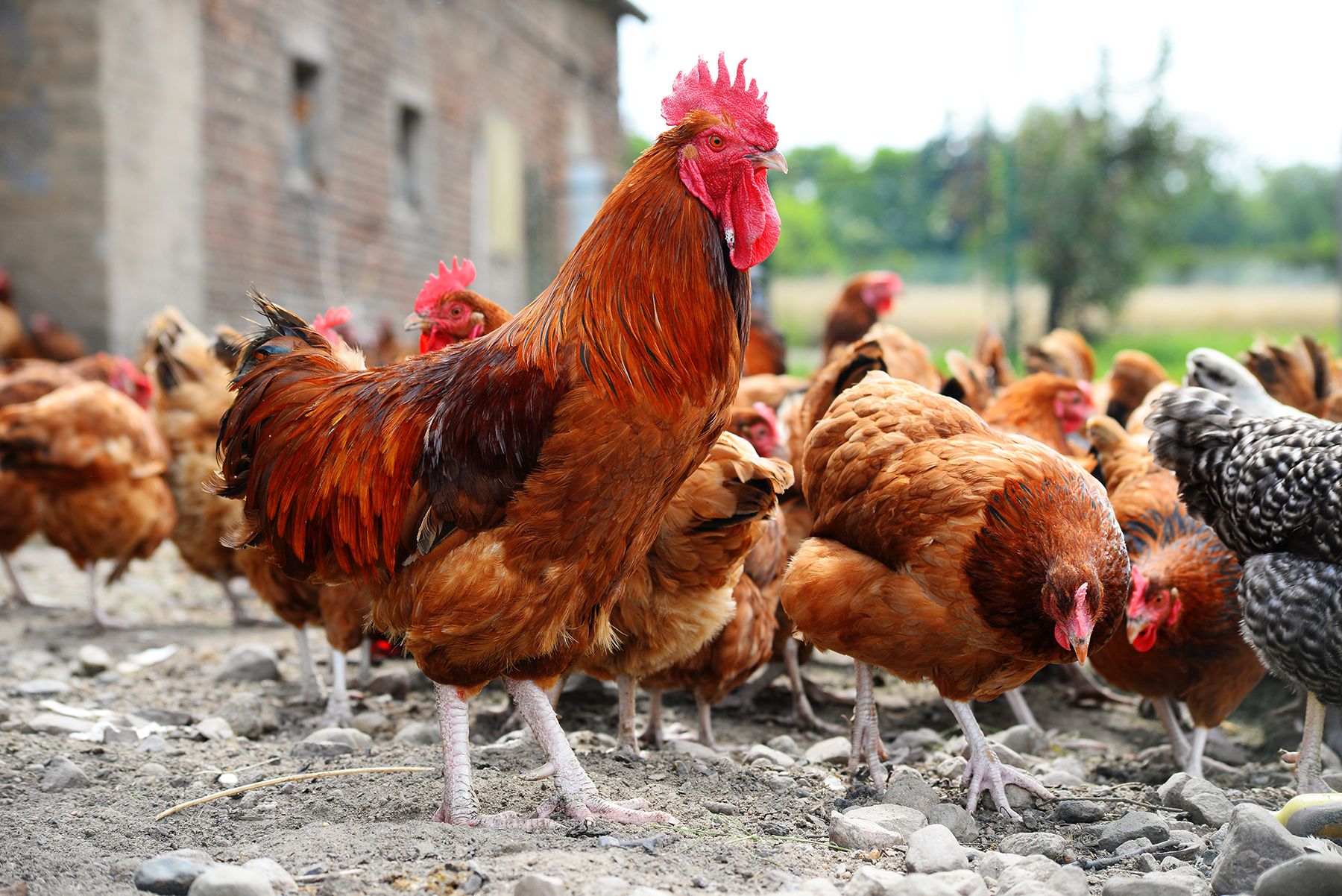
Preventing predator attacks on free-range poultry
Free-range poultry benefit from fresh grass, sunlight, insects, and room to express natural behaviors. Those same open spaces can expose chickens, ducks, quail, turkeys, geese, and other birds to foxes, raccoons, weasels, hawks, owls, snakes, stray dogs, and neighborhood cats. Effective protection begins with understanding how predators hunt and where your flock is most vulnerable.
A secure poultry system combines sound housing, well-designed fencing, supervised ranging, and daily observation. The goal is not to eliminate every natural risk, but to make your birds difficult to reach while preserving the freedom and enrichment that outdoor access provides. Healthy stock from a reliable source, such as Premium Poultry Breeds, also gives keepers a strong foundation for building a resilient flock.
Identify the predators around your property
Different predators leave different evidence. Foxes may carry birds away, while raccoons often leave scattered feathers and can reach through wide wire openings. Weasels and mink may kill several birds in a short period, sometimes leaving more casualties than they can eat. Hawks typically strike during daylight, whereas owls are a concern around dusk, nightfall, and poorly secured shelters.
Walk the perimeter early in the morning and again after sunset. Look for tracks, droppings, disturbed soil, holes under fences, damaged netting, and feathers near hedges or woodland edges. A small wildlife camera can reveal when predators approach and whether the main problem is aerial, ground-based, or caused by domestic animals.
Build a secure night shelter
The safest routine is to let poultry range during daylight and lock every bird into a predator-resistant coop before evening. Doors should close securely, with slide bolts or latches that raccoons cannot manipulate. Automatic pop doors can help maintain consistency, but they should be tested regularly and paired with a reliable backup routine.
Use strong welded hardware cloth rather than ordinary chicken wire for windows, vents, and lower wall sections. Chicken wire can contain birds, but foxes and raccoons may tear it open, and determined predators can reach through its openings. Bury the mesh 12 inches underground or extend it outward along the ground to create an anti-digging apron. Cover gaps around doors, rooflines, and utility entrances.
Design a safer free-range area
A roaming area does not need to be completely open. Dense shrubs, low shelters, brush piles, covered tunnels, and strategically placed platforms give birds places to hide from flying predators. Ducks and geese may prefer open ground near water, but they still need nearby vegetation or structures that block a hawk’s direct approach.
Electric poultry netting can discourage foxes, dogs, and other ground predators when installed correctly. Keep vegetation trimmed away from the energized strands, maintain sufficient voltage, and inspect the fence after storms. For small birds such as quail, a covered run is especially important. Guidance on quail breeding pen equipment can help when planning secure wire sides, roofing, feeders, and sheltered areas.
| Predator | Common risk period | Typical weakness exploited | Practical defense |
|---|---|---|---|
| Fox | Dawn, dusk, night | Digging beneath fences | Buried mesh, electric fencing, locked coop |
| Raccoon | Night | Manipulating latches and reaching through wire | Raccoon-proof fasteners and hardware cloth |
| Hawk | Daylight | Open runs and isolated birds | Overhead netting, cover, hiding structures |
| Owl | Dusk and night | Uncovered roosting or ranging birds | Secure night housing and roofed runs |
| Weasel or mink | Night | Small gaps and weak doors | Fine-mesh hardware cloth and sealed openings |
| Stray dog | Daytime | Jumping, digging, or forcing fences | Strong perimeter fencing and supervised ranging |
Make fencing work harder
Fence height matters, but construction quality matters more. A secure poultry run should have firm posts, tightly attached mesh, and no loose sections that can be lifted or pushed aside. Inspect corners carefully because predators often test these points first. Use an outward-facing apron where digging is common, and remove objects that could help animals climb over the barrier.
Overhead protection is essential for bantams, chicks, quail, and other small poultry. Nylon bird netting can deter hawks, while rigid welded panels provide greater durability in areas with heavy snow, falling branches, or large raccoons. Keep the run roofed wherever practical, especially if birds spend long periods outdoors without direct supervision.
Protect feed, water, and flock behavior
Spilled grain attracts rodents, and rodents can draw snakes, weasels, and larger predators toward the coop. Feed birds in sturdy containers, remove leftovers at night, and store grain in sealed metal or heavy-duty plastic bins. Clean waterers frequently and avoid placing feeders directly beside dense cover where ambush predators can hide.
Flock behavior offers useful warnings. Chickens may become unusually quiet, bunch together, or refuse to enter an exposed area after a predator encounter. Ducks often sound an alarm before a ground predator reaches the flock. Keep a head count morning and evening, and isolate injured birds promptly in a secure recovery pen. Prompt care reduces stress and prevents blood or weakness from attracting further attacks.
Use a daily prevention routine
Predator control works best as a habit rather than an emergency response. Check doors, latches, fence lines, netting, and electrical fencing each day. After heavy rain, wind, or snow, inspect for washed-out soil, fallen branches, and newly opened gaps. Rotate free-range zones when possible so birds do not repeatedly spend time near one vulnerable boundary.
The following practices provide a dependable starting point:
- Lock every bird inside a reinforced shelter before dusk.
- Inspect buried mesh and fence aprons for fresh digging each morning.
- Provide overhead cover and multiple hiding places in outdoor areas.
- Store feed securely and remove spilled grain before nightfall.
- Use trail cameras or motion lights to identify recurring predator activity.
Choose birds and systems for long-term security
Breed, age, and body size influence vulnerability. Young chicks require enclosed brooders and should not be released into open pasture until they are fully feathered and able to reach secure shelter quickly. Bantams and quail need finer mesh and more overhead protection than large mature chickens. Heavy turkeys and geese may deter some small predators, but they still need secure housing and cannot replace fencing.
A well-planned setup protects the investment involved in raising heritage poultry, breeding stock, hatching eggs, and mature birds. Combine sound infrastructure with careful handling, regular health checks, and a measured release schedule. When poultry learn where food, water, and shelter are located, they are more likely to return promptly when called or guided indoors.
Start by walking your property, marking likely entry points, and improving the weakest part of the system first. With secure housing, layered fencing, overhead cover, and consistent evening checks, your flock can enjoy free-range living with far less exposure to predators. Explore healthy poultry and breeding options at Premium Poultry Breeds to support a safer, better-managed flock.