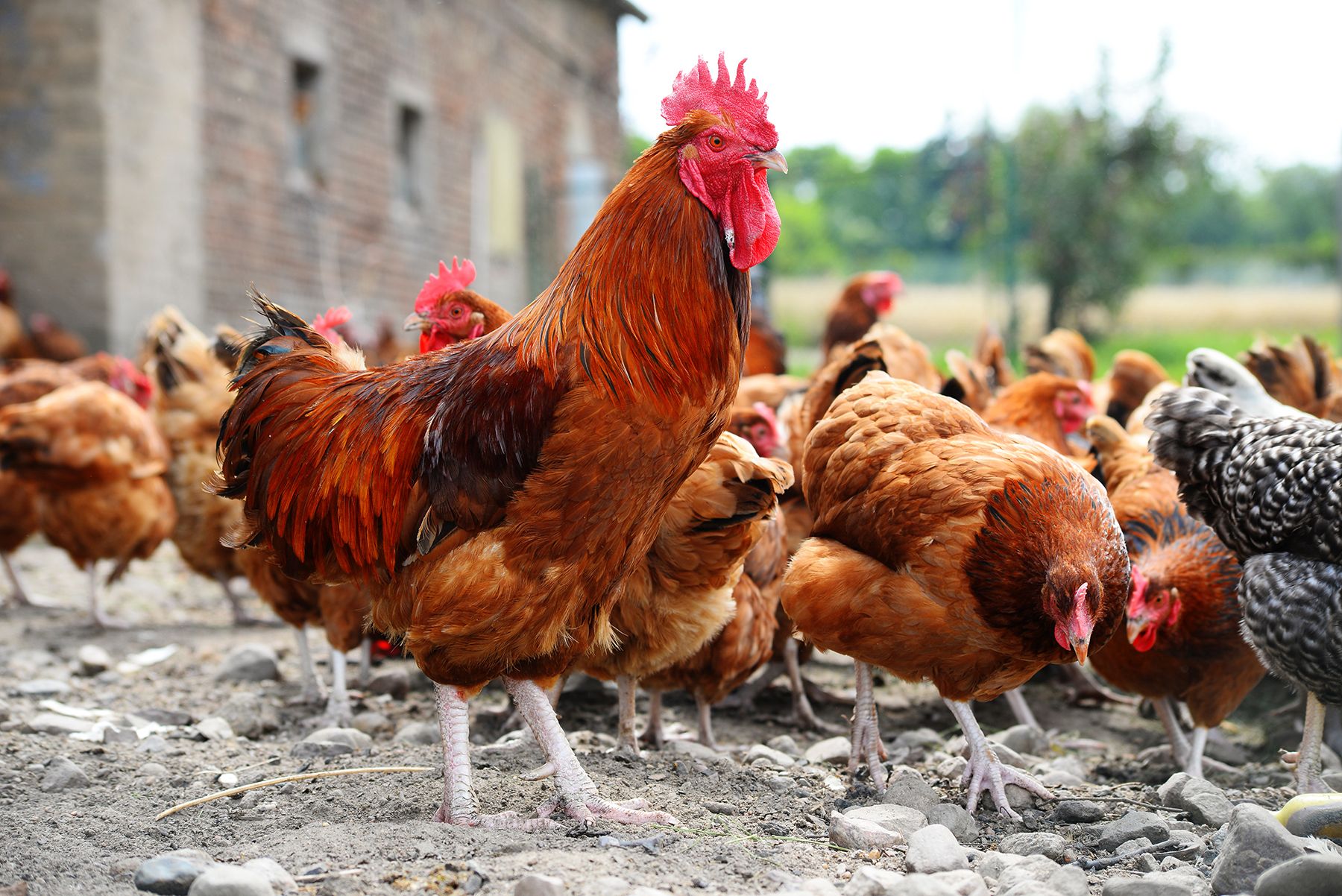
Managing Parasite Loads in Free-Range Pheasant Flocks
Free-range pheasants benefit from space, natural foraging and varied cover, but outdoor living also increases exposure to worms, mites, lice and coccidia. Droppings, damp soil, wild birds and shared feeding areas can all help parasites move through a flock.
For Australian keepers, the aim is practical control rather than trying to create a sterile paddock. Regular observation, sensible pasture management, clean equipment and veterinary guidance can keep birds thriving across conditions ranging from the wet Queensland coast to the cooler New South Wales tablelands.
Why parasite control matters
A modest parasite burden may cause few visible symptoms, yet it can reduce weight gain, fertility, feather quality and resistance to other disease. Young pheasants are particularly vulnerable because they have less body reserve and may deteriorate quickly during cold or wet weather.
Free-ranging birds also encounter earthworms, insects and contaminated ground while scratching. These natural behaviours are valuable, but they can expose pheasants to internal parasites. Stress from transport, breeding, overcrowding or sudden feed changes may then turn a low-level burden into a flock-wide problem.
Know the main threats
Roundworms, hairworms and caecal worms are common concerns in ground-dwelling poultry. Some worms have indirect life cycles involving insects or earthworms, so a clean-looking pen can become infectious again when birds forage in the same soil. Coccidia multiply in contaminated litter and damp areas, especially where feeders and drinkers leak.
External parasites deserve equal attention. Northern fowl mites, red mites, lice and ticks can cause irritation, anaemia, poor feathering and restless nights. Check around the vent, under the wings and along the breast, as well as inside nest boxes and roosting shelters.
Read the flock early
Watch for weight loss, pale combs, loose droppings, reduced appetite, dull feathers and birds that hang back from the group. A decrease in egg production or hatchability can also indicate chronic stress. Because pheasants often hide illness, a weekly hands-on check is more useful than relying on appearance from across the paddock.
Use faecal testing when signs persist or when a flock has a history of worm problems. An Australian poultry veterinarian can identify parasite eggs and advise whether treatment is needed. Keep records of test results, products, dates and withholding periods, particularly if birds or eggs may enter a commercial or breeding market.
Manage pasture and housing
Rotate access to paddocks rather than allowing birds to use one bare, muddy area continuously. Rested ground can reduce contamination, though rotation works best when combined with mowing, drainage and removal of heavily soiled bedding. Move feeders and drinkers regularly so droppings do not build up beneath them.
In a NSW or Victorian winter, sheltered roosts help birds avoid cold, wet ground; in Queensland, airflow and shade are crucial during humid weather. Repair roof leaks, keep litter dry and use raised or well-drained feeding points. New birds should be quarantined before joining the resident flock, even when they come from a reputable breeder.
Treat with care
Avoid routine drenching without evidence, since unnecessary treatment can encourage drug resistance and may mask management problems. Use only products approved for the species and follow the label, veterinary directions and Australian withholding requirements. Product availability and permitted uses can vary, so check current APVMA information or ask a poultry veterinarian.
Keep poultry medicines separate from household products, including items sold through online health outlets, and never improvise a dose from another species. Disinfecting equipment, washing boots and limiting contact with wild birds can be as important as medication.
Match the control method to the risk
Different controls suit different parasite pressures. A faecal test may be the best first step for internal worms, while cleaning and targeted treatment are more useful for mites in housing. Probiotic support can help maintain digestive resilience, but it does not replace diagnosis or an effective antiparasitic programme; practical guidance is available in this resource on poultry gut health.
| Risk or sign | Useful first response | When to seek help |
|---|---|---|
| Weight loss or diarrhoea | Isolate affected birds and arrange faecal testing | Rapid decline, blood or multiple sick birds |
| Pale combs or weakness | Check for worms, mites and anaemia | Birds are lethargic or collapsing |
| Feather damage or night-time restlessness | Inspect roosts and treat housing as directed | Mites remain after cleaning |
| Repeated outbreaks | Review stocking density, drainage and rotation | The flock needs a written control plan |
Make daily prevention routine
Good prevention is built from small habits rather than a single product. Keep wild birds away from feed, clean drinkers frequently and quarantine replacements for a suitable period. If sourcing other poultry for a mixed homestead, plan separate housing first; even healthy-looking juvenile ducks can bring different hygiene and parasite-management demands.
Use these practical priorities:
- Inspect a sample of birds weekly, including the vent, legs and under-wing area.
- Rotate ground and remove wet, heavily contaminated bedding promptly.
- Weigh young or breeding pheasants regularly to detect hidden losses.
- Record treatments, test results and withholding periods in one flock log.
- Contact an Australian poultry veterinarian before repeating a failed treatment.
A well-managed free-range flock can still forage naturally without carrying an uncontrolled parasite burden. For healthy pheasants, hatching eggs or compatible poultry additions, browse Premium Poultry Breeds and choose stock supported by careful handling and reliable delivery.