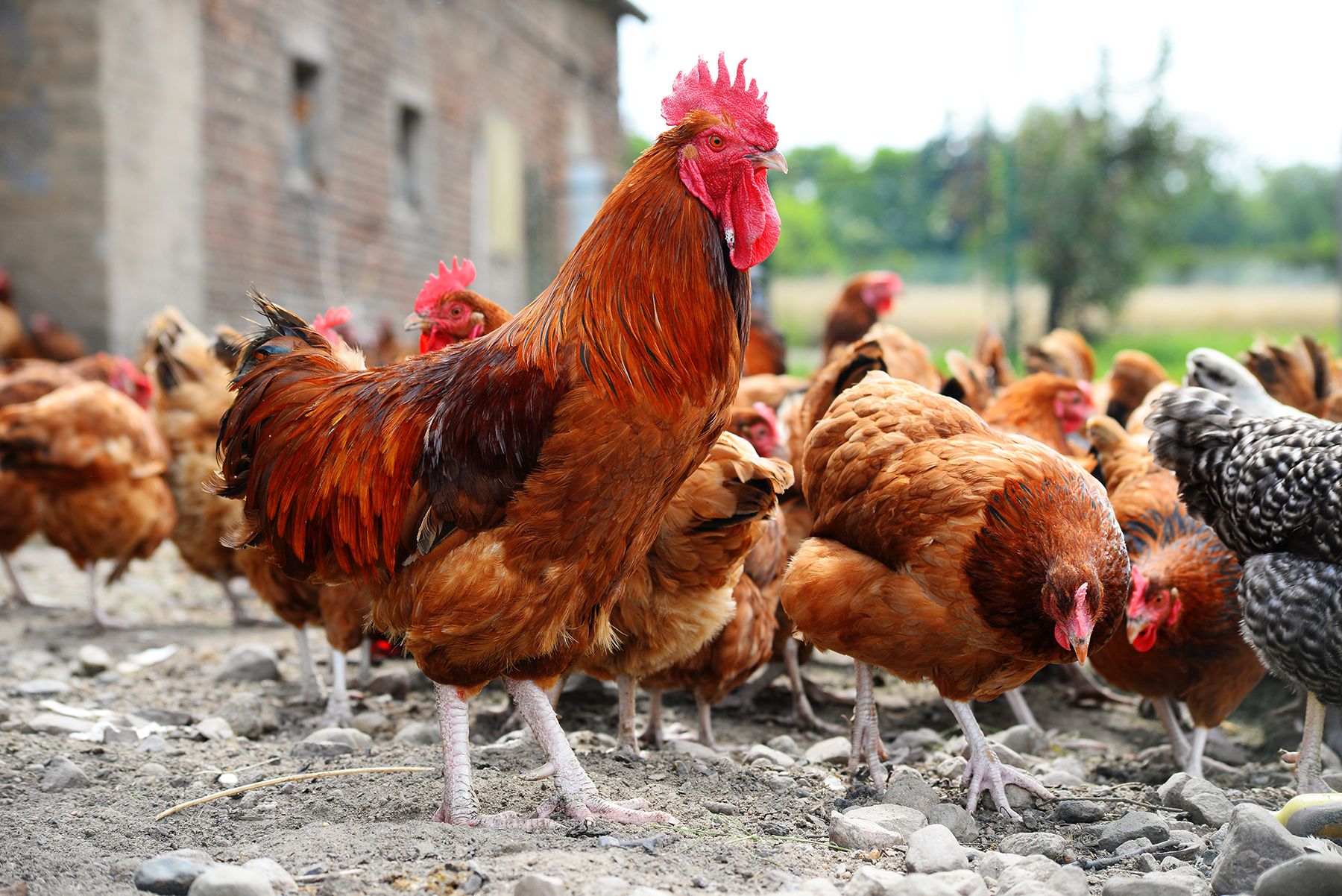
Managing overcrowding in small poultry pens
Small poultry pens can become crowded quickly as chicks mature, seasonal birds arrive, or a keeper adds new breeds to the flock. Limited floor area affects far more than comfort: it can increase aggression, wet litter, respiratory problems, feather damage, and competition at feeders and drinkers.
Managing overcrowding in small poultry pens starts with observing how birds use the available space. A pen that looks adequate at sunrise may become stressful when every bird seeks shade, shelter, food, or a dry resting place at the same time.
A practical plan combines sensible stocking levels, better use of vertical and outdoor space, reliable sanitation, and careful flock management. These changes help homesteaders protect bird health without immediately needing a much larger structure.
Assess the real space available
Measure usable floor space rather than the entire footprint of a coop or run. Nest boxes, feeders, waterers, low roofs, and storage areas reduce the room birds can actually use. Record both indoor and outdoor dimensions, then consider whether the flock can access the run throughout the day.
As a general reference, many standard-sized chickens need about 3–4 square feet inside the coop and 8–10 square feet in an outdoor run. Bantams may require less, while large fowl, turkeys, and waterfowl often need more. Climate, breed temperament, and how long birds remain confined should influence the final decision.
Watch for warning signs before serious injuries appear. Persistent chasing, birds standing on roosts during the day, dirty feathers around the vent, feather pecking, and smaller birds being pushed away from food all suggest that the current arrangement is under pressure. Breeders seeking vigorous stock should give particular attention to these early signals.
Improve the layout before adding birds
Good design can make a modest enclosure feel more spacious. Provide several feeding and watering stations, place them apart from one another, and avoid positioning them in narrow corners. This allows timid birds to eat without being trapped by dominant flock members.
Use roosts at different heights, but leave enough clearance for birds to move safely. Add platforms, low perches, or sheltered dividers where appropriate, while keeping the floor open enough for cleaning. A second exit from the coop or a wider run entrance can also prevent one bird from blocking the flock.
Shade is especially important in warm weather. Covered sections, adjustable cloth panels, and natural vegetation can create separate resting zones. If you purchase from a supplier that prioritizes healthy poultry stock, plan the enclosure before new birds arrive rather than trying to solve crowding after placement.
Match housing to the species
Different poultry species use space differently. Chickens scratch and perch, ducks need room to move away from wet areas, geese can dominate smaller birds, and turkeys require substantial floor space as they mature. Mixing species in one small pen may therefore create pressure even when the total bird count seems modest.
A separate shelter or rotational run is often safer than forcing every bird into one enclosure. Juvenile birds should also be assessed by size and behavior before being housed with mature stock. For keepers raising waterfowl, juvenile ducks need dry resting areas, clean water access, and sufficient room to avoid trampling or aggressive competition.
| Situation | Common signs | Practical response |
|---|---|---|
| Too many birds indoors | Ammonia smell, damp litter, birds crowding exits | Reduce indoor numbers, improve ventilation, add temporary housing |
| Competition at feeders | Chasing, empty crops in smaller birds, blocked access | Add stations and spread them across the pen |
| Wet run conditions | Muddy feet, dirty feathers, rising odor | Improve drainage, use dry bedding, rotate outdoor areas |
| Heat-related crowding | Panting, open-wing posture, clustering in shade | Add shade, ventilation, cool water, and more resting zones |
| New birds under pressure | Hiding, feather loss, repeated pecking | Use a partition, quarantine area, and gradual introductions |
Control moisture, odor, and ventilation
Overcrowding makes litter deteriorate faster because more droppings and spilled water are concentrated in one area. Damp bedding encourages bacterial growth, attracts flies, and releases ammonia that can irritate eyes and airways. Remove wet patches promptly and keep drinkers level, stable, and protected from scratching birds.
Ventilation should exchange stale air without creating a direct cold draft at roost level. Open high vents or adjustable windows can release moisture, while solid lower walls help shield birds from wind. Clean the coop on a schedule based on litter condition, not an arbitrary calendar.
Provide clean, dry bedding such as pine shavings or chopped straw, and inspect corners where birds gather. If odor returns soon after cleaning, the flock may still be too large for the available floor area, even if the enclosure appears tidy immediately afterward.
Introduce birds with less conflict
Adding new poultry to an established flock can temporarily intensify overcrowding. Quarantine newcomers separately to monitor health, then place them in an adjoining partition where birds can see and hear one another without making contact. This gradual stage reduces shock and gives smaller birds time to become familiar with the group.
Make the first shared meeting in the largest available space, preferably with several escape routes and multiple food stations. Introductions are safest during daylight, when keepers can observe behavior. Remove any bird that suffers bleeding or repeated attacks, since visible wounds can trigger further pecking.
Age and body size matter as much as breed. Young chicks, small bantams, and newly feathered juveniles may be unable to compete with mature birds. A separate grow-out pen can prevent losses while allowing the younger group to develop strength and stable feeding habits.
Build a routine that preserves capacity
Space management is an ongoing task rather than a one-time repair. Review the flock whenever birds grow, breeding season begins, weather changes, or new poultry is acquired. A simple weekly check can identify pressure before it becomes a welfare problem.
- Count birds by species, age, and approximate size.
- Inspect every feeder, drinker, roost, gate, and shaded area.
- Replace wet bedding and clear blocked exits.
- Look for feather loss, wounds, limping, or birds avoiding resources.
- Rotate run sections when soil becomes muddy or heavily soiled.
If the flock consistently exceeds the enclosure’s capacity, reduce numbers, expand the run, or establish a second housing area. Selling, rehoming, or delaying new purchases can be more responsible than keeping birds in unsafe conditions.
A well-planned pen supports calm behavior, cleaner plumage, better growth, and more dependable egg production. Review your current layout, correct the busiest pressure points, and choose housing that matches the adult size and habits of every species in your care. Browse carefully selected poultry and plan the space they will need before bringing new birds home.