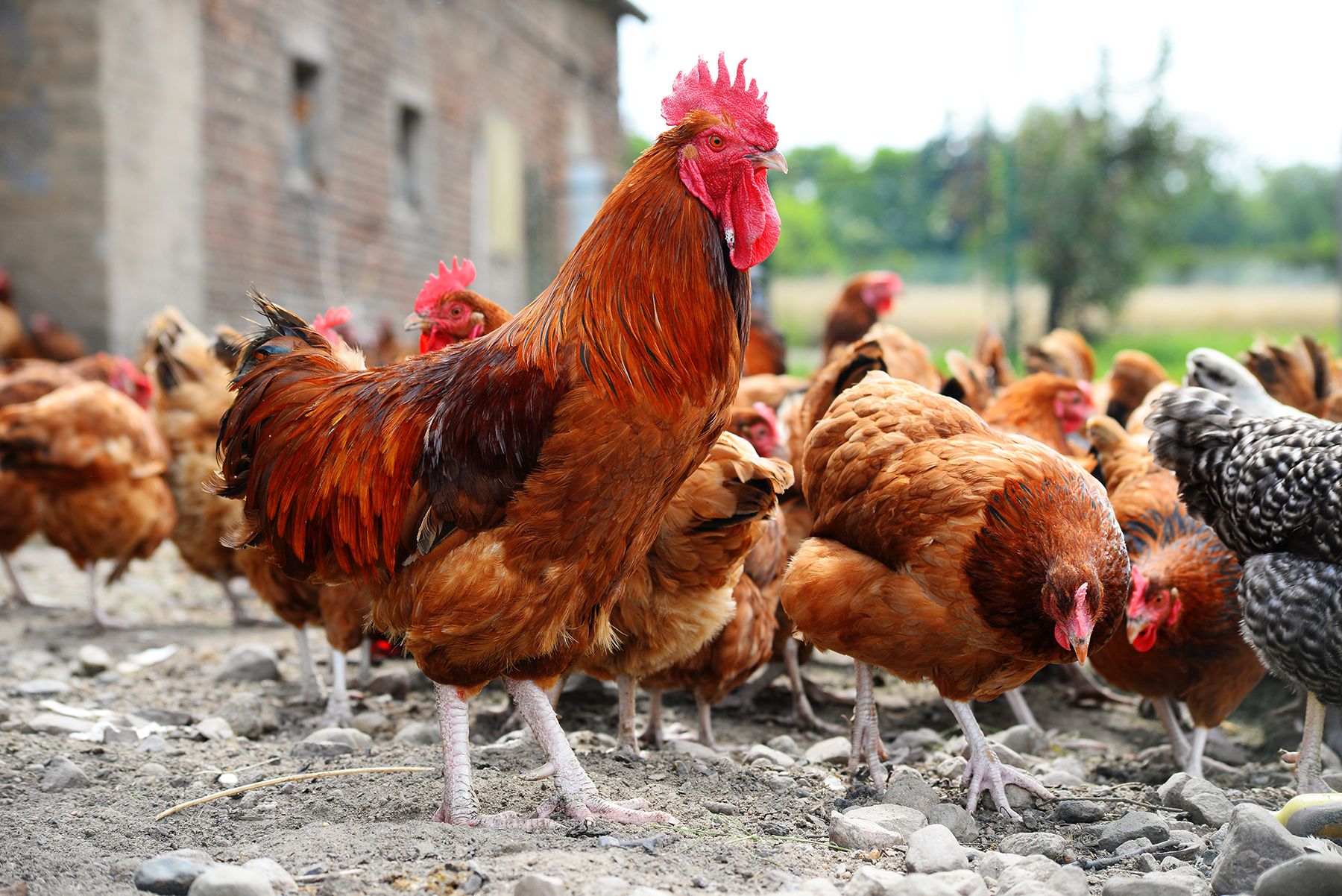
Managing mating ratios in a breeding flock of chickens
A productive breeding flock depends on more than choosing attractive birds. The number of roosters, the age and condition of each bird, breed temperament, housing space, and fertility records all influence how many viable hatching eggs you collect. A balanced mating group also reduces fighting, overbreeding, and uneven access to feed.
Managing mating ratios in a breeding flock of chickens means matching male numbers to the hens’ breed, size, age, and purpose. A ratio that works for calm bantams may be unsuitable for large heritage birds or active production breeds. Careful observation is therefore just as important as any standard guideline.
Breeders should begin with healthy stock, quarantine new arrivals, and maintain clean housing before evaluating fertility. Strong nutrition, fresh water, parasite control, and low-stress handling create the conditions needed for consistent mating behavior and good embryo development.
Start with the right rooster-to-hen ratio
A common starting point is one mature rooster for every eight to twelve hens. Many standard-size, moderately active breeds perform well around one rooster to ten hens, while heavier breeds may need fewer hens per male if mating activity is limited. Bantams can often support a slightly higher male proportion because they are smaller and generally more agile.
This ratio is a starting framework rather than a fixed rule. A young rooster may lack confidence or experience, while an older male may have declining fertility. Watch the flock for several weeks and check whether hens show excessive feather wear, bare backs, repeated chasing, or avoidance behavior.
Too many roosters create competition and injuries, especially in confined runs. Too few may result in missed matings, low fertility, or a rooster becoming overly persistent with the same few hens. Separate bachelor birds from the breeding pen unless they are part of a planned mating group.
Adjust the ratio by breed and flock design
Breed temperament has a direct effect on flock balance. Docile roosters may coexist well in a spacious pen, whereas territorial or highly active males often require individual breeding compartments. Large roosters should not be paired indiscriminately with small hens, since the weight difference can cause leg, back, or reproductive injuries.
Housing design also matters. A flock with multiple feeders, sheltered corners, and enough floor and roosting space allows hens to avoid unwanted attention. Rotational breeding pens can be especially useful when working with several bloodlines, because each rooster can be assigned to a defined group without constant conflict.
When adding other poultry to a property, keep species-specific care separate. For example, juvenile pheasants need different housing, feeding, and handling arrangements from chickens, so mixed-species management should never replace a carefully organized chicken breeding pen.
Use fertility records instead of guesswork
Candling eggs between days seven and ten provides a practical measure of fertility. Record the breeding pen, collection date, hatch rate, and number of clear eggs. A sudden decline may indicate an unsuitable ratio, an infertile rooster, poor timing after flock changes, or nutritional and environmental problems.
Collect eggs frequently and mark them with a pencil rather than ink. Eggs should be clean, correctly stored, and turned as recommended before incubation. If only one group produces poor results, compare its rooster age, body condition, mating behavior, and hen health with the stronger groups.
| Breeding setup | Practical starting ratio | What to monitor |
|---|---|---|
| Standard-size, calm breeds | 1 rooster to 8–12 hens | Fertility, feather wear, flock harmony |
| Heavy or slow-moving breeds | 1 rooster to 6–10 hens | Successful mating and hen injuries |
| Bantams | 1 rooster to 10–12 hens | Overmating and male competition |
| Active or territorial breeds | 1 rooster to 6–8 hens | Chasing, fighting, and stress |
| Pedigree breeding pens | 1 rooster to 5–8 hens | Parentage, fertility, and selection goals |
Protect hens from overbreeding
A hen with worn feathers on her back or neck may be experiencing excessive mating pressure. Saddle aprons can provide temporary protection, but they do not solve the underlying ratio problem. Reduce the rooster’s access, increase the number of hens, or move the male to a separate pen while damaged skin heals.
Inspect birds regularly for scratches, scabs, limping, weight loss, and signs of bullying. A hen that hides, stops eating, or avoids the roost may be under persistent stress. Prompt isolation helps prevent injuries from worsening and makes it easier to assess whether the breeding group is correctly balanced.
Roosters should also be evaluated for body condition. An underweight male may have poor stamina, while an obese bird may mate infrequently. Feed a complete ration appropriate for breeding birds, provide mineral access when needed, and avoid excessive treats that dilute essential nutrients.
Plan for controlled line breeding
When breeding for color, type, production traits, or conservation of a heritage line, mating groups should be planned before the breeding season begins. Assign each rooster to selected hens and keep clear identification records. Colored leg bands, numbered pens, and written breeding cards can prevent accidental parentage errors.
Allow time for the flock to settle after moving birds between groups. To reduce stored sperm from a previous rooster, breeders commonly wait before collecting eggs for pedigree hatching after a mating change. The exact waiting period can vary, so keep records of the changeover date and use conservative timing when accurate parentage matters.
If poultry keeping is part of a larger homestead business, maintain separate records for flock performance and unrelated market research. A reviewed slots guide, for example, belongs in a different information category from hatch rates, feed costs, or breeding outcomes. Clear records make practical decisions easier to audit.
Review the flock throughout the season
Ratios may need adjustment as pullets mature, chicks are removed, or fertility changes with weather and age. Reassess the group after introducing a new rooster, replacing an injured bird, or moving chickens into a smaller seasonal enclosure. Do not assume that a ratio remains suitable simply because it worked earlier in the year.
Keep breeding groups as stable as possible during the peak laying period. Sudden changes can trigger fighting and disrupt mating patterns. If a new male is necessary, introduce him gradually through adjacent housing before supervised integration, provided the birds remain healthy and quarantine requirements have been met.
Practical checks for a healthier breeding group
- Start with one mature rooster for approximately eight to twelve hens, then adjust by breed and behavior.
- Inspect hens weekly for feather loss, wounds, weight changes, and signs of avoidance.
- Track fertility and hatch rates by breeding pen rather than judging the whole flock at once.
- Provide multiple feeding and resting areas so hens can escape persistent attention.
- Remove aggressive, infertile, or consistently disruptive birds from the breeding program.
A well-managed mating group produces more reliable hatching eggs while protecting the welfare and long-term value of every bird. Review the flock regularly, keep breeding records from the first pairing, and source healthy stock through a supplier that prioritizes careful handling and quality control. Select your breeding birds thoughtfully and build each pen around fertility, temperament, and the future of your flock.