Managing A Multi-Generation Poultry Flock Safely
A flock containing chicks, growers, and mature birds can be productive, lively, and rewarding. It can also create management problems when birds of different sizes, ages, and immunities share the same space too soon. Successful integration depends on planning rather than simply opening a brooder door and hoping the flock adjusts.
Young poultry need warmth, carefully balanced feed, and protection from bullying. Adult birds have established routines and a social hierarchy that may place newly introduced chicks at the bottom. A well-managed transition protects health, reduces stress, and gives every bird access to food, water, shelter, and resting areas.
The best approach is to treat flock expansion as a staged process. Observe the existing birds, quarantine newcomers, create escape areas, and increase contact gradually. This method works for backyard chickens, heritage breeds, bantams, and mixed poultry collections, with adjustments for each species.
Assess The Flock Before Adding Young Birds
Begin by evaluating the health and temperament of the adult flock. Look for clear eyes, clean nostrils, smooth feathers, normal droppings, steady appetite, and active movement. Birds showing coughing, weight loss, lameness, lethargy, or abnormal droppings should be isolated and assessed before new poultry arrive.
Quarantine chicks, growers, or mature additions separately for at least several weeks. Use dedicated feeders and drinkers, handle the isolated group after caring for the established flock, and wash hands and footwear between areas. This reduces the chance of introducing respiratory disease, parasites, or other infections.
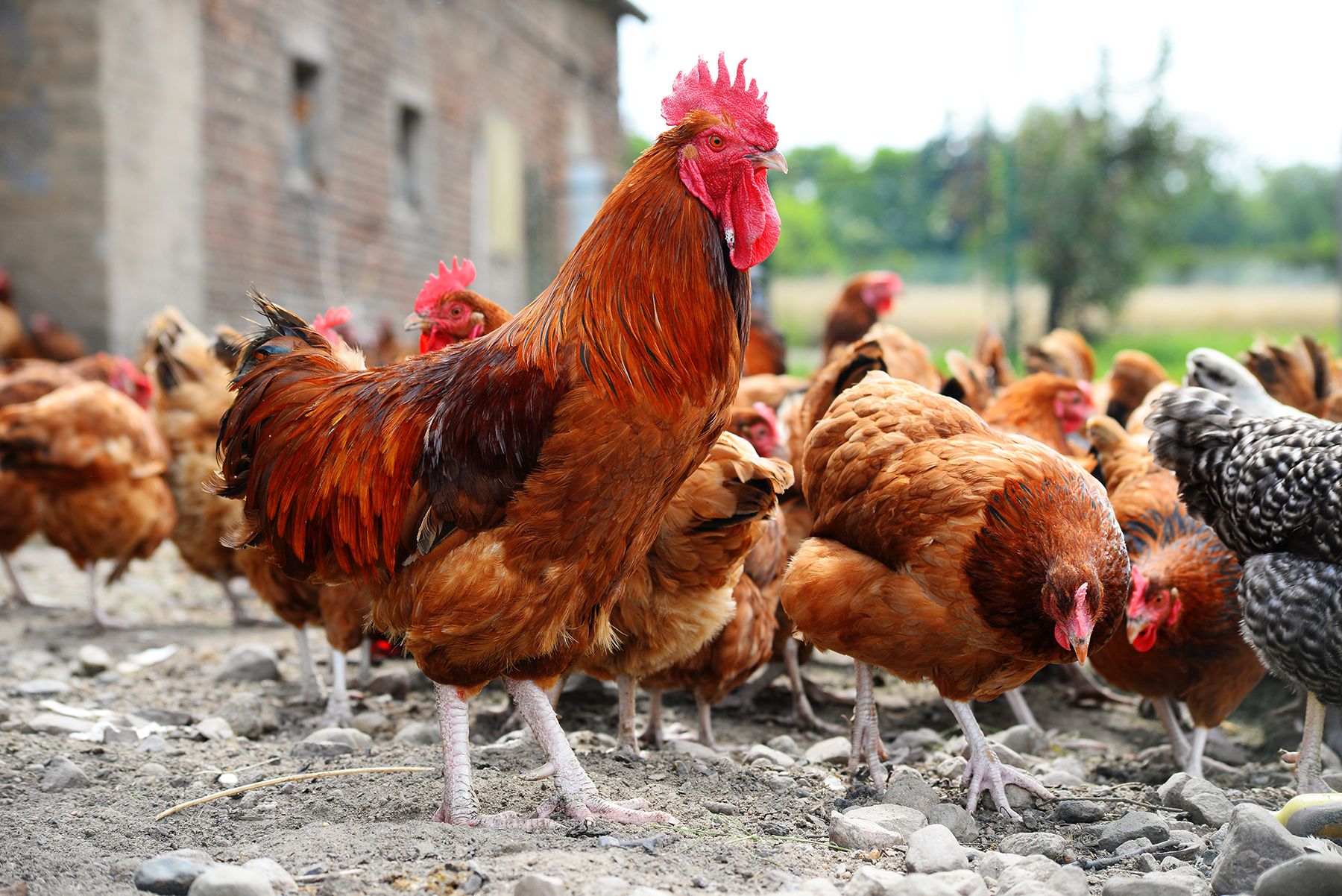
Age and size matter as much as health. A full-grown rooster or large heritage hen can accidentally injure a small chick, even without aggressive intent. Bantams and other small-bodied birds may require longer separation when housed with larger breeds.
Prepare Separate Brooder And Housing Areas
Chicks need a brooder that provides dependable heat, dry bedding, good ventilation, and protection from drafts. The temperature should be reduced gradually as they feather out, while their behavior provides useful guidance: huddling suggests cold, and panting or spreading far from the heat suggests excessive warmth.
The brooder should be secure from adult birds, rodents, cats, and other predators. Use equipment that prevents chicks from falling into deep water, and keep feed dry and accessible. As the young birds grow, provide low perches and covered hiding spaces so they can develop confidence before meeting adults.
Air quality becomes increasingly important as stocking density rises. Ammonia from damp litter can damage respiratory health, while stagnant air increases moisture and pathogen pressure. Review this practical poultry ventilation guidance when setting up a coop, brooder room, or transition pen.
Use A Gradual Introduction Process
When chicks are fully feathered, active, and large enough to avoid being trampled, place them in a wire-sided enclosure within or beside the adult run. This allows visual and vocal contact without giving older birds immediate access. Several days of supervised familiarity can reduce the intensity of the first face-to-face meeting.
Choose a spacious area with multiple feeders, drinkers, perches, and escape routes. Introduce the groups during daylight, when there is time to monitor behavior. Brief pecks are part of normal hierarchy formation, but persistent chasing, cornering, blood, or repeated attacks require immediate separation.
After supervised sessions become calm, allow shared time for increasing periods. Keep the young birds’ protected pen available so they can retreat. Never rely on a single doorway or narrow shelter, because a dominant hen may block access and prevent smaller birds from escaping.
| Flock Stage | Main Requirements | Integration Guidance |
|---|---|---|
| Chicks in the brooder | Heat, chick starter, shallow water, dry bedding | Keep fully separate from adults |
| Feathered growers | More space, low perches, growing feed | Use a see-but-don’t-touch pen |
| Young pullets or cockerels | Multiple feeding points, escape routes | Supervise short shared sessions |
| Mature birds | Stable routine and adequate roosting space | Monitor hierarchy and resource access |
Balance Feed And Daily Care
Different age groups generally need different nutrition. Chicks require a starter ration designed for rapid early growth, while pullets may transition to grower feed. Adult laying hens need a layer ration with appropriate calcium, and breeding birds may require a carefully selected maintenance or breeder diet.
If all birds share one feeder, young poultry may consume too much calcium from layer feed, while adults may receive inadequate nutrition from chick starter. Separate feeding stations, timed access, or a divided housing system can help maintain the right diet for each age group.
Fresh greens and supplemental foods should remain modest additions rather than replacements for complete feed. For duck keepers managing a mixed homestead, this resource on duckweed feed use explains how a cultivated supplement can fit into a broader feeding routine.
Monitor Behavior, Growth, And Health
Observe the flock during feeding, roosting, and free-ranging periods. A healthy integration allows smaller birds to eat and drink without being driven away constantly. Check body condition, crop fill, feather quality, and growth regularly, since a timid bird may hide signs of inadequate access.
Provide more resources than the minimum required. Several small feeders are often better than one large feeder, and multiple waterers prevent dominant birds from controlling the flock’s main station. Add visual barriers, low shelters, and broad perches to break direct lines of sight and reduce chasing.
Keep records of hatch dates, vaccinations, treatments, weights, and behavioral changes. These notes make it easier to identify slow growth, recurring illness, or compatibility problems. They also help when planning future hatches and deciding whether a bird should remain in the main flock.
Practical Steps For A Smoother Transition
A consistent routine makes multi-age flock care easier for both birds and keepers. Make changes gradually, inspect housing every day, and respond early to bullying or illness rather than waiting for a serious injury.
Use these practices as a working checklist:
- Quarantine every new bird or batch before introducing it to established poultry.
- Match feed to age and keep separate feeding stations when necessary.
- Provide several waterers, hiding places, perches, and escape routes.
- Introduce young birds during daylight with close supervision.
- Inspect chicks and adults regularly for injuries, parasites, respiratory signs, and weight loss.
Grow With A Healthy Flock
A multi-generation flock is most successful when separation remains available even after integration. Birds may need to be divided again during illness, breeding, severe bullying, or periods when roosters become aggressive. Flexible housing gives you room to manage these changes without disrupting the entire flock.
With careful quarantine, suitable nutrition, clean ventilation, and gradual social contact, young poultry can join established birds with far less stress. Browse healthy chicks, mature birds, heritage breeds, and hatching options from Premium Poultry Breeds to build a flock suited to your homestead, breeding goals, or poultry-keeping plans.