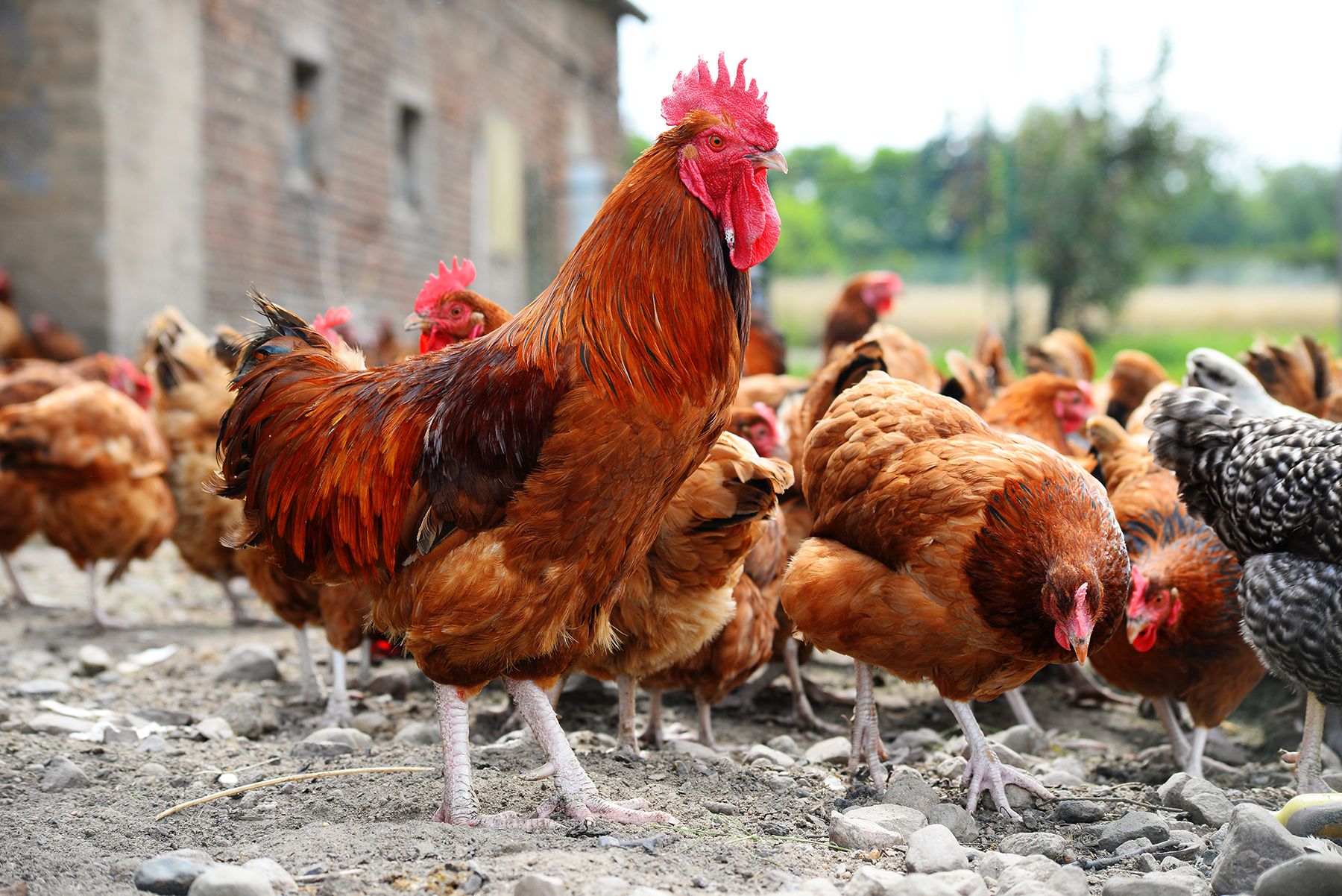
Japanese bantam chickens: a care guide for a true miniature breed
Japanese Bantam chickens are among the most distinctive true bantam breeds. Unlike miniature versions created by selectively reducing a standard breed, they are naturally small, with a compact body, upright tail, short legs, and an elegant carriage. Their ornamental appearance makes them popular with backyard keepers, exhibition breeders, and families seeking a manageable small flock.
These birds are lively, intelligent, and generally easy to handle when raised with regular human contact. Their small size does require thoughtful management, however. A secure coop, dry footing, suitable feed, and protection from aggressive flock mates are essential for long-term health.
What makes the breed distinctive
The Japanese Bantam, also called Chabo in some breed circles, is recognized for its very short legs and high, flowing tail. The tail may rise dramatically above the head, especially in males, while the wings often angle downward in a characteristic way. Depending on the variety, plumage may be black-tailed white, black, mottled, buff, gray, or other accepted colors.
These chickens are true miniatures, so mature hens and roosters weigh far less than standard poultry breeds. Their size makes them economical to feed and suitable for small properties, but it also means they can be vulnerable around large birds, wet conditions, and cold drafts. Their ornamental feathers should remain clean and dry.
Japanese Bantams can be friendly and alert, although individual temperament varies. Hens may become broody and can be attentive mothers, but their short legs make them less suited to covering large clutches. If breeding for exhibition, keep detailed records of parentage, feather color, leg structure, and hatch results.
Housing and secure outdoor space
A dry, well-ventilated coop is more important than a large one for this small breed. Provide enough room for each bird to move comfortably, with low perches that are easy to reach. High roosts can lead to falls and leg injuries because Japanese Bantams have limited lifting power from their short legs.
Use deep, clean bedding such as pine shavings or chopped straw, and remove damp areas quickly. Their low body position brings them closer to wet litter, mud, and parasites. Covered runs are especially useful because they protect the flock from rain, hawks, climbing predators, and sudden temperature changes.
Fencing should have openings small enough to prevent escapes and predator access. Japanese Bantams can slip through surprisingly narrow gaps, while their ornamental tails may catch on rough wire. Smooth, secure fencing and a sheltered dust-bathing area help keep feathers in good condition.
Feeding and everyday care
Offer a complete poultry ration appropriate to the bird’s age. Chicks need a properly formulated starter feed, growers require balanced development diets, and laying hens benefit from layer feed with access to separate calcium. Small birds can overeat treats easily, so snacks should remain a minor part of the diet.
Clean water should be available at all times in a low, stable drinker. Keep feed and water raised just enough to reduce bedding contamination without making them difficult for short-legged birds to reach. Fresh greens, insects, and small amounts of grains can provide enrichment, but they should not displace nutritionally complete feed.
Inspect the flock several times each week. Check the feet, legs, vent, beak, eyes, and feather condition. Japanese Bantams are particularly worth examining after rain, since muddy feathers can hide irritation or external parasites. A secure routine also makes it easier to notice appetite changes, lethargy, or unusual droppings.
Health, weather, and flock compatibility
Cold weather calls for a dry shelter rather than excessive heat. Drafts at roost level should be avoided, but sealed, poorly ventilated housing can cause respiratory problems and moisture buildup. In hot weather, shade, airflow, and cool drinking water are essential. Avoid placing the coop in a low area where rainwater collects.
Their short legs can make them less competitive at feeders when housed with standard-size chickens. Gentle, similarly sized flock mates are usually the safest choice. Avoid aggressive breeds and monitor introductions closely, especially when adding a small rooster to an established group.
| Care area | Practical approach | Warning signs |
|---|---|---|
| Housing | Dry bedding, low perches, good ventilation | Damp litter, wheezing, repeated falls |
| Feeding | Complete ration, clean water, limited treats | Weight loss, poor feathering, reduced activity |
| Feet and legs | Smooth surfaces and regular checks | Swelling, limping, scaly skin |
| Weather | Shade in summer and sheltered winter housing | Panting, frost damage, huddling |
| Social grouping | Calm bantam companions or compatible small breeds | Feather loss, hiding, injuries |
Breeding, hatching, and chick care
For a reliable breeding program, select healthy adults with correct body shape, strong legs, clean plumage, and calm behavior. Avoid breeding birds with obvious deformities or recurring health problems. Because the breed’s tail and wing structure are central to its appearance, careful selection helps preserve type across generations.
Hatching eggs should be clean, undamaged, and stored correctly before incubation. Chicks require stable heat, clean bedding, shallow drinkers, and feed they can easily reach. Watch closely during the first days, as very small chicks may struggle with deep water containers or standard brooder equipment.
When keeping a broody hen, provide a quiet nesting area protected from larger flock members. Some hens may successfully hatch a small clutch, but artificial incubation can offer more control over temperature, humidity, and chick safety. During long incubation checks, breeders may unwind with reviewed gaming options while keeping their hatch records organized.
Choosing healthy birds or hatching eggs
Look for alert birds with bright eyes, smooth breathing, clean vents, firm legs, and evenly developed feathers. A healthy chick should be active, responsive, and able to stand and walk normally. When purchasing mature birds, ask about age, vaccination or health practices, breeding history, and any recent illness in the flock.
Hatching eggs should be packaged carefully, since the breed’s small eggs can be damaged by rough handling. Work with a supplier that emphasizes healthy stock, careful preparation, and dependable delivery. Newly arrived birds need a quiet settling period and should be quarantined before joining an established flock.
Practical priorities for new keepers
- Build a dry, predator-resistant coop with low roosts and easy access to feed and water.
- Keep Japanese Bantams separate from large or aggressive chickens whenever possible.
- Use a complete age-appropriate ration and provide calcium separately to laying hens.
- Inspect legs, feet, feathers, and vents regularly, especially during wet weather.
- Record breeding, hatch dates, health observations, and individual bird identification.
Japanese Bantam chickens reward careful keepers with charm, personality, and exceptional ornamental value. Whether you begin with a few chicks, mature birds, or hatching eggs, focus on sound housing, compatible companions, and consistent observation. Explore healthy stock and suitable varieties from a reputable poultry supplier to start a small flock with confidence.