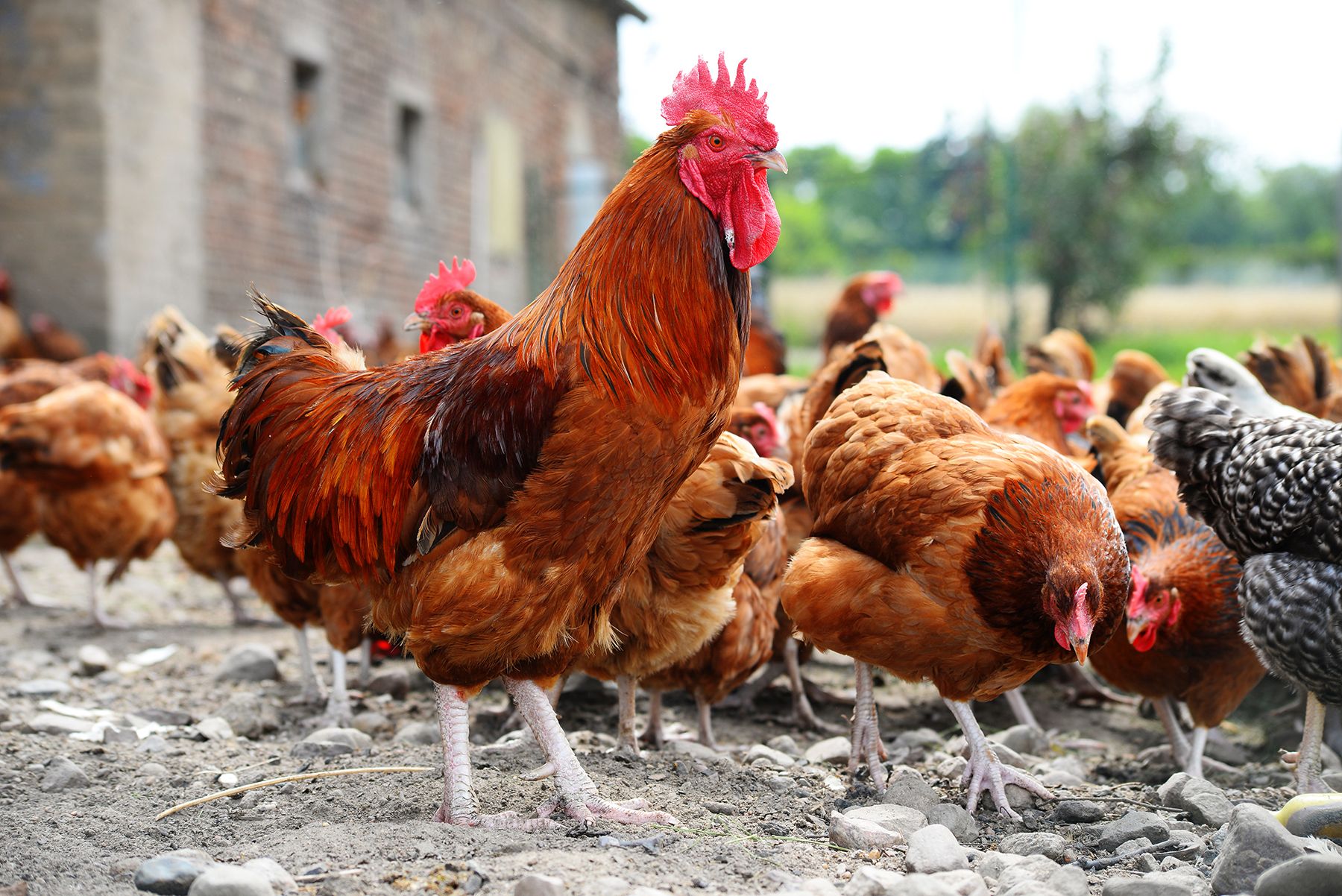
Reading feather health and nutritional gaps
Identifying nutritional deficiencies by observing feather quality gives backyard keepers a useful early warning system. Feathers can reveal whether a bird has received enough protein, energy, vitamins and minerals for normal growth and replacement, especially when changes appear across several birds.
No single feather defect proves a deficiency. Age, moulting, parasites, genetics, wet bedding and handling damage can produce similar signs. The safest approach is to combine feather observation with appetite, weight, posture, droppings and a review of the whole diet.
Australian conditions add useful clues. Melbourne’s rapid weather changes, Sydney’s humid summers and Brisbane’s subtropical heat all affect how birds manage moulting and feather condition. Feed bought for one climate or life stage may not suit birds kept under different conditions.
Specialist hatcheries and rural produce markets serve Australia’s growing flock-keeping community, so feed history and age are often more informative than price alone. A structured comparison helps you separate a genuine nutritional gap from a temporary rough-looking coat.
Read the feathers before naming a deficiency
Feathers are keratin structures formed in follicles. Adequate protein and essential amino acids support clean growth, while vitamins, minerals and fatty acids influence structural strength and colour. Examine the shaft for breaks, the vane for separated barbs, and the overall coat for symmetry and patchy growth.
New growth is more informative than an isolated worn feather. Compare affected and unaffected birds of the same age, and note whether the change developed during a moult. For recently arrived stock, check for stress separately: good live bird shipping preparation, quiet quarantine and observation distinguish transport-related feather damage from a feeding problem.
Compare visible signs with likely causes
Symmetrical changes across several birds deserve attention; one ragged feather usually does not. The pattern, speed of onset and presence of other symptoms narrow the possibilities.
| Visible observation | Possible nutritional link | Other causes to check | Useful supporting evidence |
|---|---|---|---|
| Ragged tips or slow feather fill | Low protein or essential amino acids | Moult stage, pecking, rough housing | Growth rate and bare patches |
| Frayed vane or brittle texture | B-vitamin, mineral or fatty-acid imbalance | Dry air, friction, inherited feather structure | Skin condition and multiple affected birds |
| Pale or uneven colour | Pigment or micronutrient shortfall | Genetics, age and lighting | Comparison with the breed’s colouring |
| Soft or bent shafts | Calcium, vitamin D or mineral imbalance | Immature feather, trauma or breed traits | Bone strength and movement |
| Plucking around the vent | Not specific to nutrition | Mites, lice, bullying or damp litter | Skin, feathers and coop inspection |
Changes that emerge over several weeks point more toward diet than a single mishap. Protein and energy shortages often show first during rapid growth or heavy laying, whereas mineral and vitamin problems may appear alongside poor bone formation, reduced egg production or skin changes. Change one factor at a time and avoid dosing blindly.
Account for feed, breed and Australian conditions
Australians often combine a complete pellet or mash with supermarket grain, millers’ bran, kitchen scraps and garden produce. That variety can be safe as small additions, but scratch grain or treats can dilute a balanced ration. Feed storage also matters in humid weather: mould, rancidity and a stale vitamin premix may reduce quality long before the bag looks unusable.
Breed and age matter as much as packaging. Chicks need a starter feed, growers need a different balance, and layers need enough calcium for shell production; heritage lines and turkeys may grow differently from commercial breeds. The turkey poult feeding schedule shows why a general adult poultry ration should not be copied to young turkeys.
The local market includes specialist hatcheries, established breeders, online bird sellers and rural produce markets. State and territory rules differ: New South Wales regulates poultry sales under the Poultry and Exotic Animal Trade Act, while Queensland biosecurity conditions can apply to bird movements. Before travelling with poultry, check destination rules, seller records and required animal-welfare or transport practices rather than assuming another state’s arrangements apply.
Rule out parasites, disease and normal moulting
Mites and lice can cause feather plucking, irritation and broken shafts. Lice are easier to see around the vent and feather shafts; mites often cause birds to sit and over-preen. Respiratory disease, intestinal parasites, bullying and wet litter can also reduce feather coverage.
Normal moulting commonly creates a patchy, uneven coat, particularly in growing birds and older hens. Australian dust baths, sunlight and dry housing affect appearance without supplying missing nutrients. A feather that returns crooked or remains damaged can indicate local trauma rather than a systemic diet problem.
Stop and investigate when feather changes accompany weight loss, lethargy, abnormal droppings, swollen feet or reduced laying. A poultry veterinarian or state agricultural diagnostic service can check parasites and disease. Quarantine new birds, photograph symmetrical changes and retain feed samples so clinical findings are not confused with a nutrition response.
Turn observations into a practical response
Use a staged approach that records facts before changing feeds. Observe the whole flock, compare like with like, and allow several weeks for new growth to show whether a correction is working.
- Record each bird’s age, breed, hatch or purchase date, moult stage and when feather changes began.
- Track weekly weight or body condition, appetite, activity and egg production rather than judging health from appearance alone.
- Check that the main ration is complete for the species and life stage; keep grain, bran, scraps and treats limited.
- Store feed in a cool, dry, pest-proof container, rotate stock and discard anything mouldy, damp or rancid.
- Inspect birds and housing for lice, mites, crowding, sharp fittings and damp bedding.
- Introduce feed or supplements gradually, provide clean water, and use supplements only when the gap is reasonably identified.
If feather quality keeps deteriorating despite a sound ration and sound husbandry, arrange a veterinary assessment rather than buying a succession of remedies. When adding chicks or breeding stock, compare the age, diet and health information from Premium Poultry Breeds, then match each bird to a species-appropriate feed and quarantine routine.