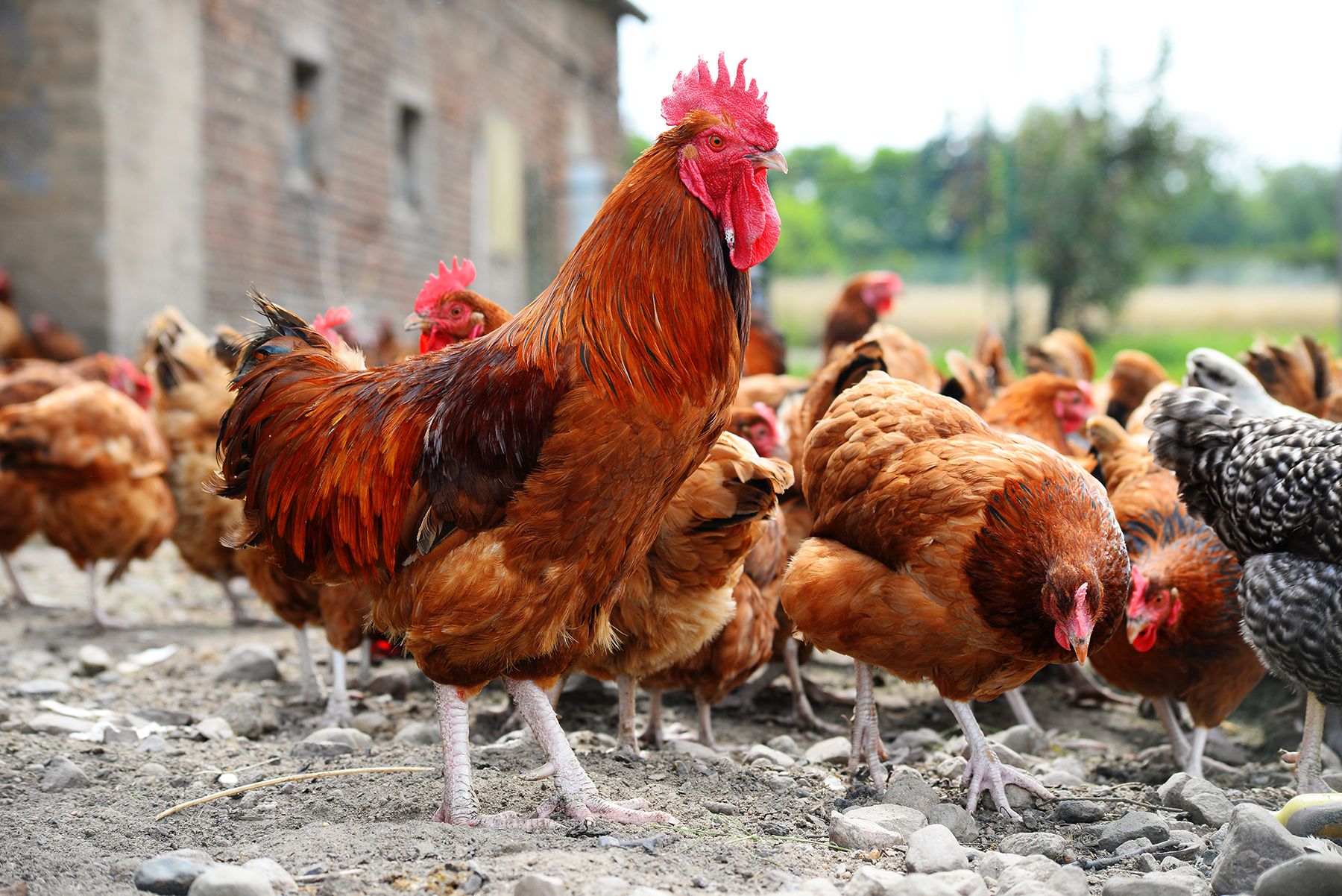
How to Winterize Your Chicken Coop for Cold Climates
A well-prepared chicken coop helps poultry stay warm, dry, and healthy when temperatures fall below freezing. Winter care is less about sealing the building completely and more about balancing insulation, ventilation, moisture control, and protection from wind.
Chickens tolerate cold better than damp conditions. Healthy adult birds can often manage low temperatures when they have a dry roost, adequate feed, and shelter from drafts. Chicks, bantams, older birds, and breeds with large combs may need additional protection.
Winter preparation should begin before the first hard freeze. Inspect the structure, repair weak points, and observe how air moves through the coop during cool weather. These steps make it easier to protect a flock without creating condensation or stale air.
Inspect the coop structure
Begin with the roof, walls, floor, windows, and doors. Replace damaged roofing, seal gaps around frames, and repair holes that could admit wind-driven rain or snow. Small openings near floor level can also invite rodents, so use hardware cloth where ventilation or drainage requires a barrier.
Avoid filling every crack with expanding foam or plastic sheeting. A completely airtight coop traps humidity from droppings, breathing, and spilled water. That moisture can settle on roosts and combs, increasing the risk of frostbite and respiratory irritation.
Check that doors close securely at night while remaining easy to open in icy weather. A raised threshold can keep melting snow and wet bedding outside, and a covered entrance gives birds a drier transition area.
Improve insulation without blocking airflow
Insulation slows heat loss, but it does not replace ventilation. Fiberglass batts, rigid foam boards, and insulated wall panels can all work when protected from pecking and moisture. Cover exposed insulation with plywood or another durable interior surface.
Focus on the ceiling and roofline first because warm air rises. Insulating the walls and floor is useful in severe climates, especially for lightweight coops, but the floor should remain dry and easy to clean. Thick bedding can provide additional warmth when managed correctly.
Ventilation openings belong high on the walls, above the birds’ heads. These openings should allow humid air to escape without creating a direct breeze across the roost. Adjustable vents are helpful because winter weather changes quickly.
| Coop improvement | Main benefit | Important precaution |
|---|---|---|
| Ceiling insulation | Reduces heat loss through the roof | Keep it covered and dry |
| Wall insulation | Stabilizes interior temperature | Prevent pecking and rodent access |
| High-level vents | Removes moisture and ammonia | Keep airflow above roost height |
| Deep, dry bedding | Adds floor insulation | Remove wet patches regularly |
| Windbreak panels | Blocks drafts at entrances | Do not eliminate ventilation |
Manage bedding and moisture
A deep-litter system can help insulate the floor when it is maintained properly. Start with several inches of pine shavings, chopped straw, or another absorbent bedding material. Stir the surface regularly and add fresh material as droppings accumulate.
Wet bedding should be removed immediately, especially around drinkers. Consider placing waterers on a raised platform or using a heated poultry drinker designed for safe outdoor use. Never allow electrical cords to become accessible to pecking birds, and inspect equipment for damage.
Ammonia odor is a warning sign that the coop is too damp or poorly ventilated. Clean heavily soiled areas, improve airflow, and check whether snow or rain is entering through the roof or walls. Dry bedding supports cleaner feet, healthier respiratory systems, and better winter comfort.
Protect roosting birds from cold stress
Roosts should be wide enough for chickens to sit with their toes covered by feathers. A flat wooden roost is generally safer in freezing weather than a narrow round perch because it lets birds rest on their feet. Position it away from doors, windows, and strong airflow.
Provide enough roosting space to prevent crowding, but avoid placing perches too high. Birds may injure themselves when jumping down in dim winter light, and high roosts can make it harder for smaller or older birds to reach safety.
Inspect combs and wattles regularly during severe cold. Darkened or swollen tissue may signal frostbite. Reducing humidity, blocking direct drafts, and applying only poultry-safe protective products can help; petroleum-based products should be used carefully because birds may ingest them while grooming.
Adjust food, water, and daylight routines
Chickens use additional energy to maintain body temperature, so offer a balanced ration consistently and ensure every bird can reach the feeder. A small amount of scratch grain in the late afternoon can provide extra energy before roosting, but it should not replace complete poultry feed.
Fresh, unfrozen water is essential. Check drinkers at least twice daily during freezing conditions and remove ice promptly. A heated base or purpose-built heated waterer may be practical, provided it is installed according to the manufacturer’s instructions and kept away from bedding.
Short winter days can reduce egg production and disrupt routines. If supplemental lighting is used, place it on a timer and increase daylight gradually. Avoid sudden changes, excessive brightness, or leaving lights on continuously, since birds need a consistent dark period for rest.
Reduce predators and winter pests
Snow can make predator tracks easier to spot, while frozen ground may drive foxes, raccoons, and other animals closer to the coop. Reinforce latches, bury or flare hardware cloth around the run, and remove feed spills before nightfall. Clear snow from doors and fence lines so weak points remain visible.
Winter also concentrates birds and wildlife around limited food and shelter. Store feed in sealed containers, trim vegetation near the enclosure, and inspect for gnawing or digging. If the property includes other poultry, thoughtful flock management matters too; resources such as guinea fowl tick control can help when considering broader poultry roles around a homestead.
Use a practical winter maintenance routine
A reliable schedule prevents small problems from becoming emergencies. Walk through the coop every morning and evening, checking temperature comfort, ventilation, water, bedding, and bird behavior. Huddling tightly, persistent lethargy, or repeated lifting of feet can indicate that conditions need attention.
Prioritize these winter tasks:
- Remove wet bedding and refill high-traffic areas with dry material.
- Check vents for snow, ice, cobwebs, or blocked airflow.
- Test doors, latches, heaters, and timers before nightfall.
- Examine combs, feet, feathers, and body condition regularly.
- Clear snow from the run and maintain predator-resistant barriers.
A properly winterized coop should smell fresh, remain dry, and give birds room to move away from cold air. Healthy chickens will usually spread through the space, eat normally, perch comfortably, and show active behavior during daylight.
Prepare the coop before severe weather arrives, then monitor it throughout the season. With sound insulation, controlled ventilation, dry bedding, dependable water, and secure housing, your flock can remain comfortable and productive through even demanding cold-climate winters. Premium Poultry Breeds can help you plan future additions with healthy poultry and hatching stock suited to your homestead goals.