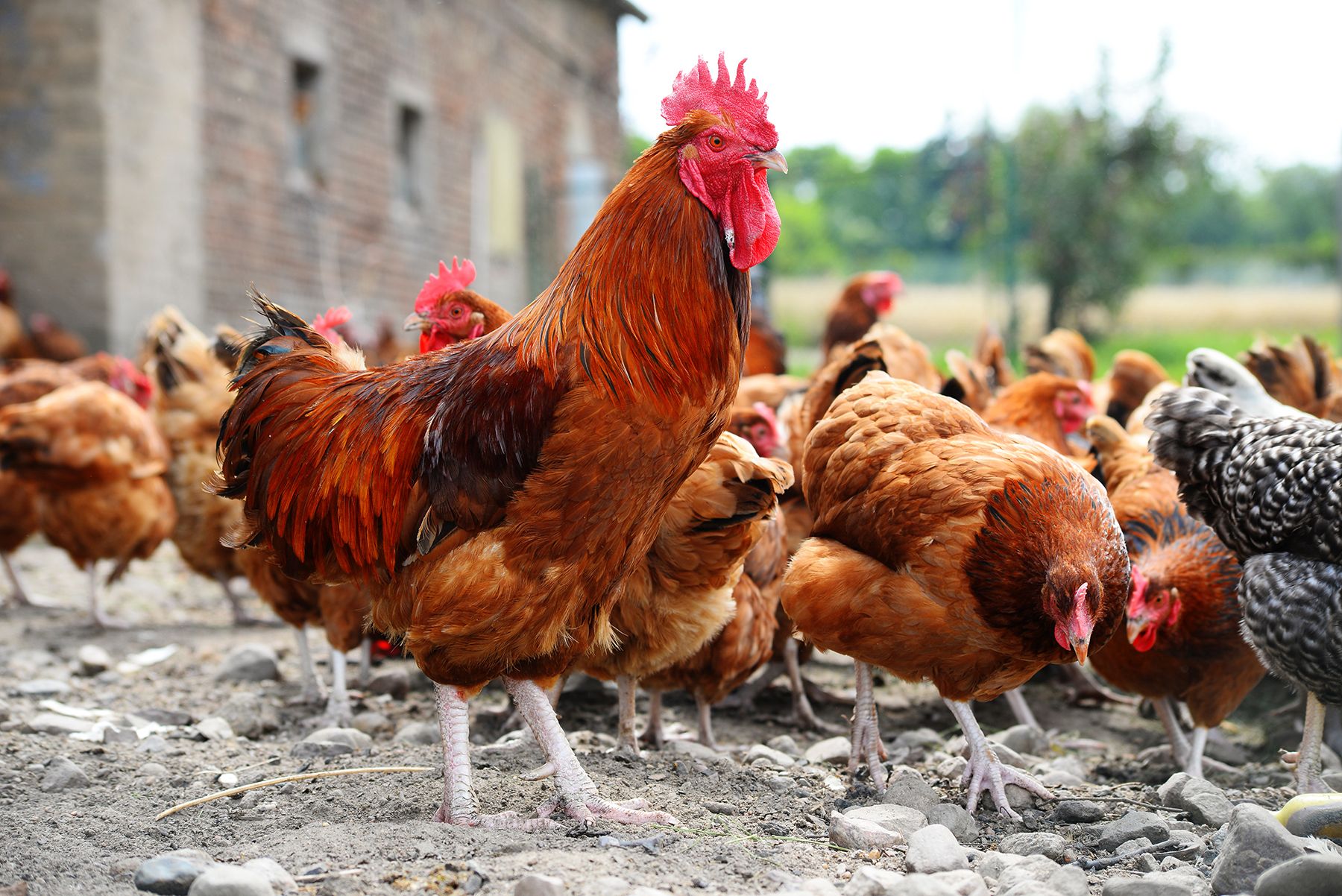
A reliable dusk routine for backyard chickens
Across Australian backyards, from Brisbane’s warm suburbs to cooler Hobart gardens, owners usually let chickens forage during the day and call them in after work or the school run. Dusk is the natural cue for settling on perches, but birds headed home reliably need a learned routine rather than a nightly chase.
The goal is simple: every bird should associate the coop, a familiar sound and a small reward with safety. With that pattern, free-ranging birds can be closed in without stress, while young or recently rehomed poultry learn at their own pace.
Timing matters because Australia’s long summer evenings delay bedtime, while winter darkness arrives early. Adjust the routine to local daylight and brief helpers clearly. Before changing housing, adding roosters or moving birds, check council and state requirements; breeders, poultry markets and online stores offer many sourcing options.
| Method | Best for | Strength | Caution |
|---|---|---|---|
| Evening feed in the coop | Hungry or free-ranging birds | Builds a strong home cue | Keep portions small and remove leftovers |
| Consistent call | Rooted flock | Easy for helpers to repeat | Birds may ignore it if used only for meals |
| Gradual access reduction | Young or new birds | Teaches where to roost | Move slowly to avoid fear |
| Calm herding | A flock that stalls | Controls timing without force | Chasing can create panic and distrust |
How poultry learn to come home
Chickens learn through repetition and feel safest where they already know the perches. A predictable sequence of feeding, calling, waiting and locking up creates a clear signal: the coop is the secure destination, not a place from which they are being chased.
Begin with calm evenings rather than a single hurried attempt. Young birds can explore the coop during daylight, find the roosts and receive treats there. Adult birds coming from another yard may need several days to investigate before the evening routine has any effect.
If you are adding a laying flock, compare the breeder’s quality egg standards with health, age and shipping information before choosing birds.
Prepare a coop birds choose willingly
The coop should be clean, dry, ventilated and protected from wind, with shade during hot Australian afternoons. Fresh bedding helps, but familiar perches matter more: use smooth, securely fixed roosts at a height each bird can reach without jumping.
Keep feed, water and nesting space available before dusk, but place a small treat portion inside the coop as a recall cue. Remove leftovers overnight so rats, mice and insects are not encouraged. A wide entrance also prevents cautious birds from piling up at the doorway.
Build a repeatable evening routine
Use the same sequence for at least two weeks, beginning 20 to 30 minutes before actual sunset:
- Check water, shade and coop security.
- Scatter a small ration inside the entrance.
- Give the flock one distinct call, then wait.
- Let birds settle without chasing or constant talking.
Once the birds are inside, complete a brief final check:
- Count birds against the expected flock total.
- Confirm every bird is on a perch or settled.
- Check the pop door and latch for damage.
- Record stragglers before securing the run.
Move the starting time gradually as daylight changes, and use daylight saving time as a reminder to adjust rather than a reason to abandon the routine. In very hot weather, provide cool water and train earlier if birds are panting.
Combine feed, light and familiar sounds
Feed is the clearest cue, but it should support the habit rather than create frantic competition. Use a calm, audible scattering sound and speak in the same tone every evening. A short whistle, clap or call works; changing signals confuses the flock.
Use natural dusk light to guide them. Dimming bulbs or a low, warm light can help birds find the ramp, but bright lamps may make them believe morning has arrived. Keep the coop interior darker than the yard and switch it off once the flock has settled.
Never force a frightened bird from the run at the last moment. That teaches people rather than chickens to be unsafe. Instead, reduce the area they can access over several evenings and reward voluntary movement toward the coop.
Make closing the coop safe and simple
Count every bird before closing the door. A missing hen may be hiding under shrubs, while a bird left outside can face foxes, roaming dogs or raptors. Check mesh, latches and roof gaps each night, and use a secure automatic door only if it closes reliably.
Keep the final action boring: count, secure, record. A written list is invaluable for a large flock and for households sharing duties. Label which bird is likely to hesitate, and leave a treat in the coop for the late arrival rather than opening the door again.
Keeping rules vary across Australia. Check your council’s conditions on bird numbers, roosters, setbacks and coop construction, then follow state animal-welfare and biosecurity guidance when introducing birds or sharing equipment.
Recover when birds hesitate or break routine
If one bird refuses to enter, do not grab it in darkness or chase the flock around the yard. Calm the others, reduce the free-range area, and offer that bird access to a familiar perch with food nearby. Temporary separation can protect a timid bird, but restore normal contact promptly.
Before buying replacements, check that seller health guarantees are specific, and request records for the flock’s origin and veterinary care. Premium Poultry Breeds also provides live poultry and hatching eggs for different homesteading goals, so match species, age and temperament to your space.
Keep the flock coming home for the long term
A settled flock is safer, easier to inspect and more comfortable at dusk. Review counts, escape points and unusual behaviour every evening for the first month, then adjust the routine as the seasons change. Consistent people, timing and signals matter more than any single training trick.
Choose healthy, well-matched birds from Premium Poultry Breeds, set the routine this week, and give each bird the quiet, predictable cues that bring the flock safely home at dusk.