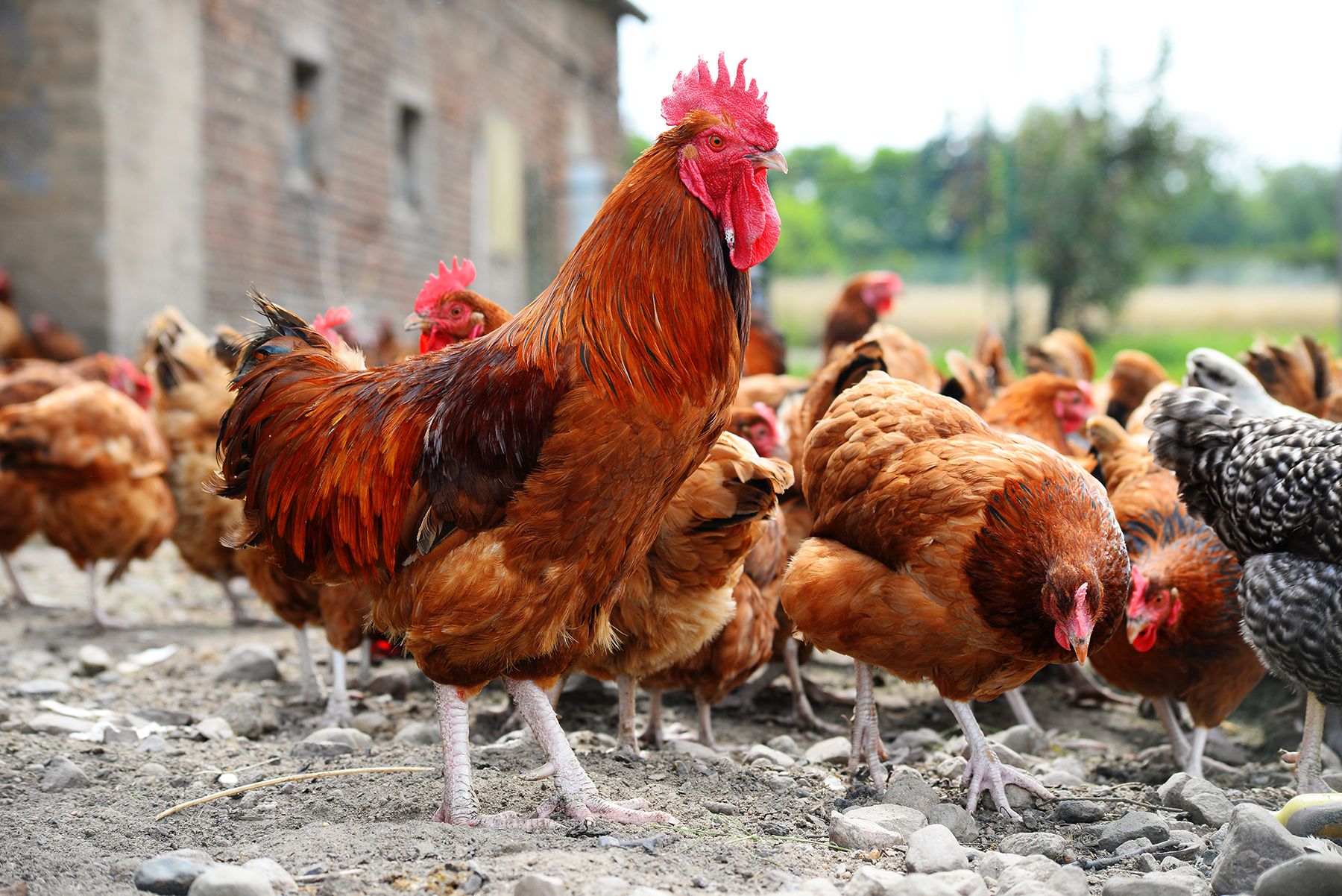
How to Recognize and Handle Egg Yolk Peritonitis
Egg yolk peritonitis is a serious reproductive disorder in laying hens and other female poultry. It develops when a yolk fails to travel normally through the oviduct and instead drops into the abdominal cavity. The yolk can irritate the lining of the coelom, while bacteria may trigger a life-threatening infection.
The condition can progress quietly at first. A bird may simply lay fewer eggs, spend more time resting, or appear slightly withdrawn. Once abdominal swelling, breathing difficulty, or severe weakness develops, prompt veterinary attention becomes essential.
Early recognition is especially important for small flocks, breeding groups, and backyard birds, where changes in appetite, posture, and laying patterns are easier to notice. Careful handling and clean housing can support recovery, but this illness should not be managed with guesswork alone.
Recognizing the earliest warning signs
A hen with reproductive tract disease may stop laying or produce soft-shelled, misshapen, or unusually small eggs. She may stand with her legs farther apart than normal, walk stiffly, or adopt a “penguin” posture because abdominal pressure makes movement uncomfortable. Reduced appetite, weight loss, ruffled feathers, and isolation from the flock are also common clues.
As fluid or inflammation builds in the abdomen, the bird may develop a swollen or pendulous belly. Breathing can become labored because the enlarged abdomen restricts air sacs and lung movement. A pale comb, weakness, dehydration, diarrhea, or a foul-smelling discharge from the vent suggests a more advanced condition and requires urgent veterinary care.
What causes the condition
Normally, a released yolk enters the infundibulum and moves through the oviduct before the egg is laid. With internal laying, the yolk misses the oviduct or moves backward into the abdominal cavity. Hormonal disruption, reproductive tract damage, abnormal oviduct movement, obesity, and persistent high production may increase the risk.
Free yolk is irritating and difficult for the body to absorb. It may become encapsulated, causing chronic inflammation, or serve as a medium for bacteria such as E. coli. This can lead to septic peritonitis, salpingitis, or other abdominal infections. Egg yolk peritonitis itself is not automatically contagious, although infectious diseases affecting the reproductive system may spread through a flock.
What to do when a bird is ill
Move the affected bird to a quiet, clean isolation pen where she can be observed without flock pressure. Provide easy access to fresh water and familiar feed, and keep her comfortably warm without overheating. Minimize handling, especially if her abdomen is enlarged or breathing is strained.
Do not massage the abdomen, attempt to drain swelling, force-feed a weak bird, or give leftover antibiotics. These actions can cause injury, delay accurate diagnosis, or mask important symptoms. Contact an avian or poultry veterinarian as soon as possible, particularly when the bird cannot stand, is gasping, or has a markedly distended abdomen.
For owners maintaining varied poultry collections, reliable husbandry begins with suitable birds and careful care from arrival onward. Sourcing from healthy poultry stock supports good flock management, but even well-raised birds can develop reproductive disorders.
How veterinarians confirm the diagnosis
A veterinarian may begin with a physical examination, flock history, laying records, and questions about diet, age, recent illness, and reproductive performance. Abdominal palpation can reveal fluid, masses, or tenderness, although excessive pressure should be avoided.
Ultrasound or radiography may show free fluid, abnormal egg material, an enlarged oviduct, or other masses. Blood tests can indicate inflammation, anemia, dehydration, or infection. In some cases, fluid sampling, culture, or exploratory surgery is needed to distinguish yolk peritonitis from ascites, egg binding, tumors, salpingitis, or internal laying without active infection.
| Sign or condition | Typical clues | Why veterinary assessment matters |
|---|---|---|
| Egg yolk peritonitis | Swollen abdomen, reduced laying, weakness, penguin posture | Infection and abdominal inflammation may require treatment |
| Egg binding | Straining, frequent nest visits, tail pumping, one retained egg | A retained egg can rupture or obstruct the tract |
| Ascites | Fluid-filled abdomen, breathing difficulty, bluish comb | May reflect heart, liver, lung, or tumor-related disease |
| Salpingitis | Abnormal eggs, foul discharge, abdominal enlargement | The oviduct may contain infected material or a mass |
| Reproductive tumor | Gradual weight loss, irregular laying, abdominal swelling | Imaging and long-term care planning may be needed |
Treatment and expected outcomes
Treatment depends on the bird’s condition and the underlying cause. Veterinary care may include fluids, pain relief, anti-inflammatory medication, and appropriately selected antibiotics when bacterial infection is suspected. Some birds benefit from surgery to remove infected material or reproductive tissue, but anesthesia and surgery can be risky in a debilitated bird.
Prognosis varies. A mild, promptly treated case may stabilize, while chronic inflammation, severe infection, or repeated internal laying carries a poorer outlook. A veterinarian may recommend limiting future egg production through controlled lighting, hormonal treatment, or reproductive surgery in selected cases. These options should be prescribed and monitored professionally.
Reducing reproductive health risks
Prevention focuses on sound nutrition, body condition, flock hygiene, and sensible lighting. Use a complete ration appropriate for the bird’s age and production stage rather than relying heavily on treats or low-protein scratch grains. Provide calcium according to veterinary or feed-label guidance, since excesses and deficiencies can both create health problems.
Avoid pushing young pullets into premature laying with excessive lighting. Maintain dry bedding, clean waterers, good ventilation, and sufficient space to reduce stress and disease exposure. When adding new birds, quarantine them before introducing them to the established flock; this is especially important when bringing in juvenile ducks, as mixed-species housing can complicate observation and biosecurity.
Practical steps for flock owners
- Record daily appetite, posture, droppings, egg production, and unusual eggs.
- Isolate birds showing weakness, abdominal swelling, or respiratory distress.
- Keep a clean, warm recovery area ready for short-term supportive care.
- Arrange veterinary evaluation before using antibiotics or reproductive treatments.
- Review lighting, diet, body condition, and quarantine procedures after a case.
A swollen abdomen or sudden decline in laying should never be dismissed as ordinary aging. Observe the bird calmly, prevent unnecessary stress, and seek professional help early. With attentive flock monitoring, responsible sourcing, and timely veterinary care, owners can give affected poultry the best possible chance while protecting the health of the rest of the flock.