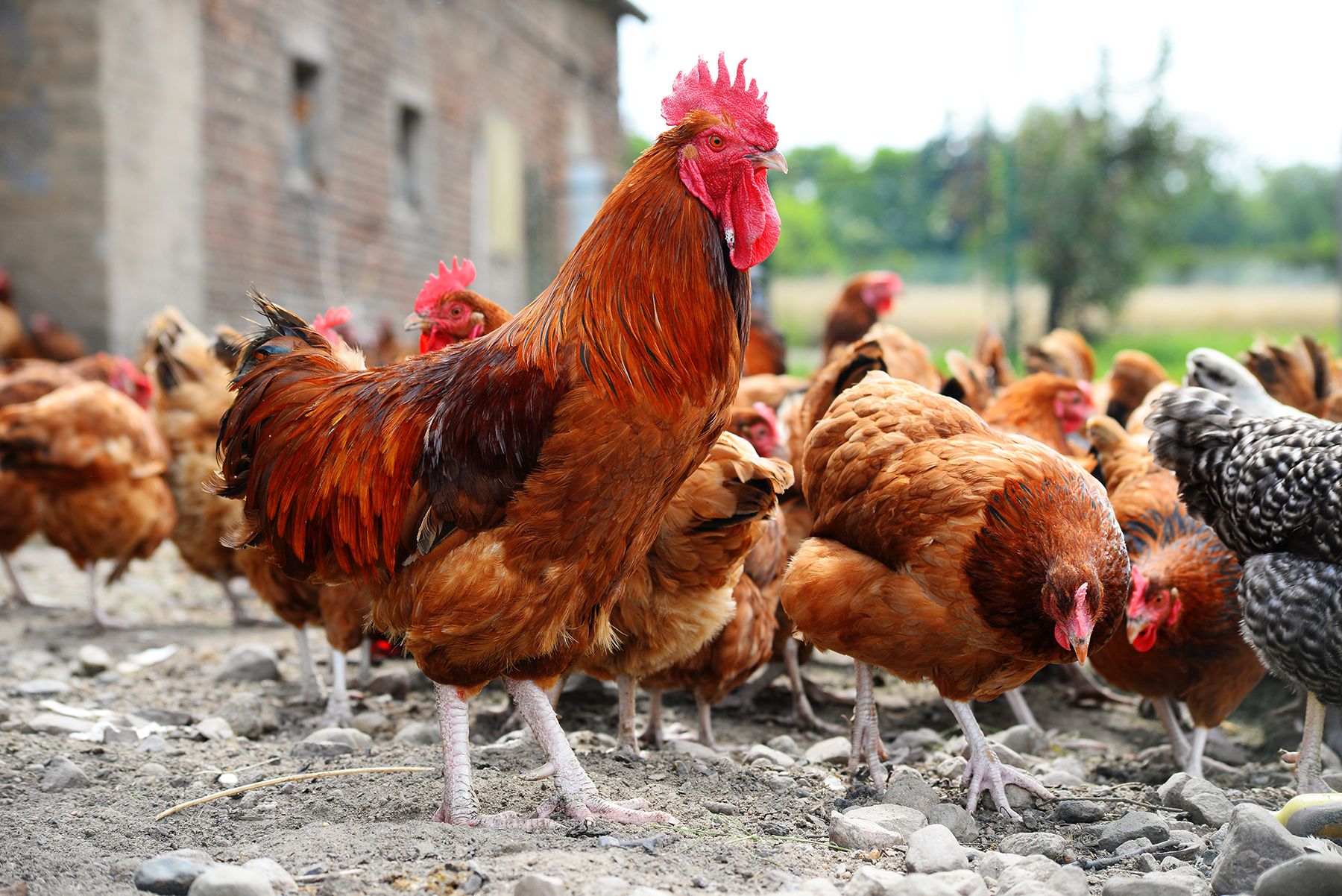
How to Prepare Your Flock for Winter Egg Laying
Winter egg production depends on preparation well before the first cold snap. In Australia, June through August brings short days, frosty mornings and sharp temperature changes in inland New South Wales, Victoria and Tasmania. Coastal Queensland may stay mild, but humidity, rain and muddy runs create different problems for laying hens.
The aim is to keep birds healthy, comfortable and productive without forcing a natural laying cycle. Good shelter, steady nutrition, clean water and sensible light management will help your flock maintain useful production through the colder months.
Winter Egg Production Starts Before Cold Weather
Begin by checking the flock in late autumn. Look for weight loss, pale combs, scaly legs, respiratory sounds, mites and damaged feathers. Hens entering winter in poor condition are more likely to pause laying, while a healthy bird can cope with cooler weather and shorter daylight.
Keep records of age, breed and laying history. Heritage breeds often handle outdoor conditions well, although individual output may be lower than that of commercial hybrids. Older hens may slow down naturally, so separating replacement pullets from senior birds can make feed management easier.
Assess Birds And Housing
Inspect the coop roof, walls, floor and nest boxes before winter rain arrives. Repair leaks, block large draughts at bird level and retain high-level ventilation to prevent condensation. Damp air and wet litter cause more trouble than a properly ventilated cold night.
Provide thick, dry bedding such as chopped straw, hemp or kiln-dried shavings. Replace wet patches promptly, especially around drinkers. In humid parts of Queensland and northern New South Wales, ventilation and litter management deserve particular attention because mould and ammonia can build quickly.
Predator pressure can also increase when natural food is scarce. Secure latches, bury wire around vulnerable edges and check the run after storms. If a farm dog helps patrol the property, calm training matters around poultry; these obedience-trained dogs are easier to manage near gates, nests and free-ranging birds.
Adjust Light Feed And Water
Hens respond strongly to day length. If maintaining winter laying is important, use a timer to provide a consistent total of about 14 to 16 hours of light per day. Add light in the early morning rather than extending the evening, allowing birds to roost naturally after sunset. Sudden changes can unsettle the flock, so adjust gradually.
Use a balanced layer ration with adequate protein, calcium and phosphorus. Offer shell grit separately so hens can regulate calcium intake, and provide insoluble grit for birds eating pasture or whole grains. Treats should remain limited; excess scratch feed can dilute the nutrients needed for eggshells and body maintenance.
Fresh water must remain available from dawn until roosting. In alpine areas and inland districts, check for ice early in the morning. In warmer regions, position drinkers in shade and scrub them frequently, as dirty water can reduce intake and contribute to illness.
Compare Winter Systems
Different housing and lighting choices suit different flock sizes and management styles. The best option is the one that keeps birds dry, reduces stress and fits the owner’s daily routine.
| Winter approach | Suitable for | Main benefit | Important caution |
|---|---|---|---|
| Natural daylight only | Small backyard flocks | Simple and low-cost | Egg numbers may fall sharply |
| Timed morning light | Breeding and laying flocks | Supports steadier production | Requires safe wiring and consistency |
| Enclosed winter run | Wet or predator-prone areas | Keeps birds clean and secure | Needs excellent ventilation |
| Deep dry litter system | Cold inland properties | Adds insulation and reduces cleaning | Remove damp bedding before ammonia develops |
Avoid heating the entire coop unless birds are very young, sick or in an unusually exposed environment. A warm enclosure can make the flock less able to handle outdoor temperatures and may create fire hazards. Focus instead on dry bedding, protection from wind and gradual seasonal adjustment.
Build A Daily Monitoring Routine
Winter care works best when checks become part of the morning arvo-to-evening rhythm. Observe how quickly birds leave the perch, whether they are eating and drinking, and whether droppings look normal. A hen that stays fluffed up, hides in a corner or stops eating needs prompt attention.
Use the following routine to catch problems early.
Morning checks
- Confirm every bird leaves the roost and reaches food
- Break ice or replace chilled water
- Check for wet bedding, leaks and overnight predator damage
- Collect early eggs during frosty weather
Weekly checks
- Weigh a sample of birds or assess breast muscle by hand
- Inspect feet, legs, feathers and comb colour
- Clean drinkers, feeders and nest boxes thoroughly
- Review egg numbers, shell quality and unusual behaviour
Egg collection is especially important during cold weather. A cracked egg can freeze, attract pests and encourage hens to eat eggs. Store clean eggs promptly according to your household’s food-safety practices, and keep nest boxes dark, dry and easy to access.
Plan Breeding And Replacement Stock
Winter is also a useful season to review breeding plans. Select vigorous hens with sound legs, good feather coverage and a reliable laying history. Avoid breeding from birds with chronic respiratory problems, poor shell quality or repeated health issues.
If you keep pheasants or other specialist poultry, incubation planning requires separate temperature, humidity and turning guidance. The pheasant hatching guide can help breeders prepare equipment before setting eggs, particularly when natural brooding conditions are unreliable.
Australian keepers should also consider seasonal supply and shipping schedules. Hatching eggs and live poultry may be affected by regional biosecurity rules, courier limitations and weather. Check state requirements before moving birds between properties, especially across borders into Western Australia or Tasmania.
A steady winter program protects both flock welfare and egg quality. Prepare the coop before the weather turns, maintain reliable feed and water, monitor birds closely, and choose breeding stock from healthy, well-managed lines. Explore Premium Poultry Breeds for quality birds and hatching eggs suited to your next season’s plans.