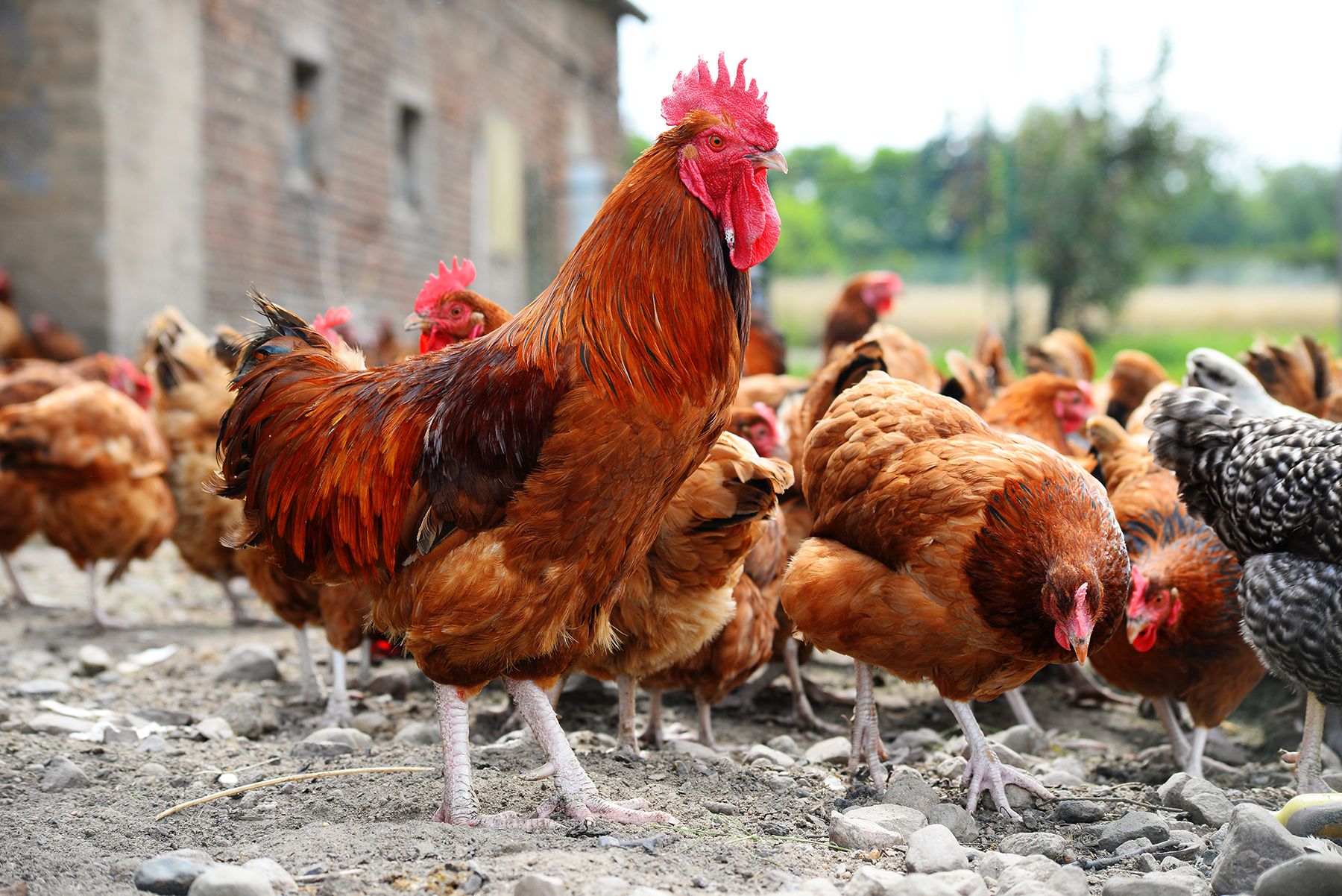
Managing aggressive roosters in a mixed breed flock
Keeping a mixed breed flock is one of the real pleasures of small-scale poultry keeping across Australia. You might run the glossy black sheen of an Australorp alongside the copper flashes of a Rhode Island Red, with the chatty personality of a Leghorn mixed in alongside the calm of a Wyandotte. The challenge arrives when one of the boys decides the entire yard, every hen, and occasionally your ankles belong to him.
Many local councils in inner Sydney, parts of Melbourne, and several Brisbane suburbs ban roosters outright in residential zones because of crowing. Where they are still allowed, an aggressive bird can quickly turn a peaceful hobby into a daily chore. The good news is that most aggression is manageable with the right understanding, the right setup, and a willingness to make tough calls when needed.
Why roosters turn aggressive
Aggression in roosters usually traces back to three drivers: hormones, territory, and social pressure. A young cockerel hits sexual maturity around four to six months of age, and testosterone reshapes how he sees the world almost overnight. He begins to view his patch of ground, his hens, and his feed bowl as resources worth defending against anything that moves, including you.
In a mixed breed flock this gets amplified. Different breeds mature at different rates, so a fast-developing Old English Game can dominate slower-maturing heavies like Orpingtons or Cochins. The smaller bird often learns to overcompensate, becoming the flock tyrant before the larger breeds establish their place. Long summer daylight across Perth and Darwin extends the active hours during which a sharp rooster can find trouble.
Reading the warning signs
Plenty of roosters throw out a warning display and never follow through. A full charge with wings dropped, hackles raised, and direct eye contact means business. So does a rooster that circles the legs of small children, or attacks from behind when someone bends to collect eggs.
Persistent hen chasing is another clear red flag. A breeding rooster mates cleanly and moves on; a bully pulls feathers and keeps her from food. Watch for bald patches on back and neck, and hens hiding in nesting boxes rather than ranging freely. If your flock spends more time hiding than foraging, the rooster has gone too far to be ignored.
Space, layout, and flock composition
Most aggression problems trace back to overcrowding. The standard rule is one square metre of coop space per bird, but mixed flocks benefit from considerably more. A bare-minimum yard in a Brisbane quarter-acre block becomes a pressure cooker for fighting, so plan generous run space with visual barriers such as hay bales, timber offcuts, or purpose-built screens.
Mixing breeds thoughtfully helps. Heavier, calmer breeds like Sussex and Brahmas tend to hold their own without being aggressive. Smaller, faster breeds such as bantam Old English can become twitchy and territorial in confined spaces. If you keep multiple roosters, the rule is one rooster per eight to ten hens, and never two roosters of similar age and breed in the same confined run.
| Approach | Best for | Effort | Reversible |
|---|---|---|---|
| Calm handling and correction | Mild aggression, young cockerels | Low daily | Yes |
| Bachelor pen separation | Persistent chasing, hen stress | Medium setup | Yes |
| Reducing rooster ratio | Multirooster conflict | Medium | Yes |
| Rehoming | Persistent dangerous aggression | One-off | No |
| Culling | Severe attacks on people or hens | One-off | No |
Practical strategies that work
Wear stout boots and carry a short length of hose whenever you enter the run. A firm block, paired with picking the rooster up and holding him against your body until he calms, mimics an older rooster's dominance behaviour. Do not chase him; that turns it into a game. Consistency from every family member matters more than force.
Separation often becomes necessary. A small bachelor pen beside the main flock lets a troublesome rooster stay visible without access to the hens. Over time, his frustration drops and he can sometimes be reintroduced. Where this fails, rehome him through a local poultry club, swap meet, or a fellow breeder. At events such as the Royal Melbourne Show or regional field days across New South Wales, you will often find experienced keepers willing to take on a difficult bird.
Choosing the right rooster to keep
Temperament is partly genetic, and aggressive roosters frequently produce aggressive sons. Watch how a candidate behaves around treats, strange dogs, and small children. The calm, curious rooster that keeps his distance is more valuable than the showy boy that charges every time the back door opens. Choose your breeders with the next several generations in mind, not just this season's plumage.
Sometimes aggression has a medical root. Mites, scaly leg mite, internal parasites, or chronic pain can make a normally even-tempered bird irritable, so arrange a check-up with a poultry-aware veterinarian first. Australian poultry health services in regional New South Wales and Victoria have grown alongside the rise of backyard keepers. Some keepers explore broader online pharmacy options when researching supplements and supportive products, though any prescription intervention should go through a registered vet.
Building a calmer flock long term
A calm flock is the result of consistent decisions across years, not one big intervention. Track each bird's behaviour, keep rooster ratios generous, and never breed from a rooster that has genuinely hurt a person. The best flocks in suburban Adelaide, Hobart, and Perth backyards share the same quiet traits: plenty of space, careful breed selection, and keepers who step in early.
A flock rarely becomes calmer by accident. Each small decision to cull a sharp rooster, separate a bully for a season, or skip a breeding cycle compounds into a noticeably more peaceful yard over time. The keepers who get it right are simply doing a handful of small things consistently.
Steps that hold up over the long term:
- Choose docile, well-handled cockerels from breeders who track temperament in their bloodlines.
- Keep ratios generous, ideally one rooster to eight or more hens, and avoid keeping two roosters of similar age in one run.
- Provide at least one square metre of coop space per bird plus a sizeable run with visual barriers.
- Intervene early with calm, consistent handling the moment a young cockerel shows serious aggression.
- Separate chronic offenders promptly to protect hen welfare and reduce stress across the whole flock.
- Replace aggressive roosters with calmer stock rather than breeding from them, even if the conformation is excellent.
- Keep detailed notes on each bird's behaviour so patterns and triggers are clear over time.
A well-managed mixed flock should be a source of pride, not daily frustration. If you are rebuilding after a difficult season, take a closer look at how your chosen supplier raises and selects their breeding stock. Temperament work pays off in your own yard when it has been done properly on the breeding side, generation after generation. For the kind of methodical selection that produces calmer roosters, you can learn more about the breeders behind this catalogue.