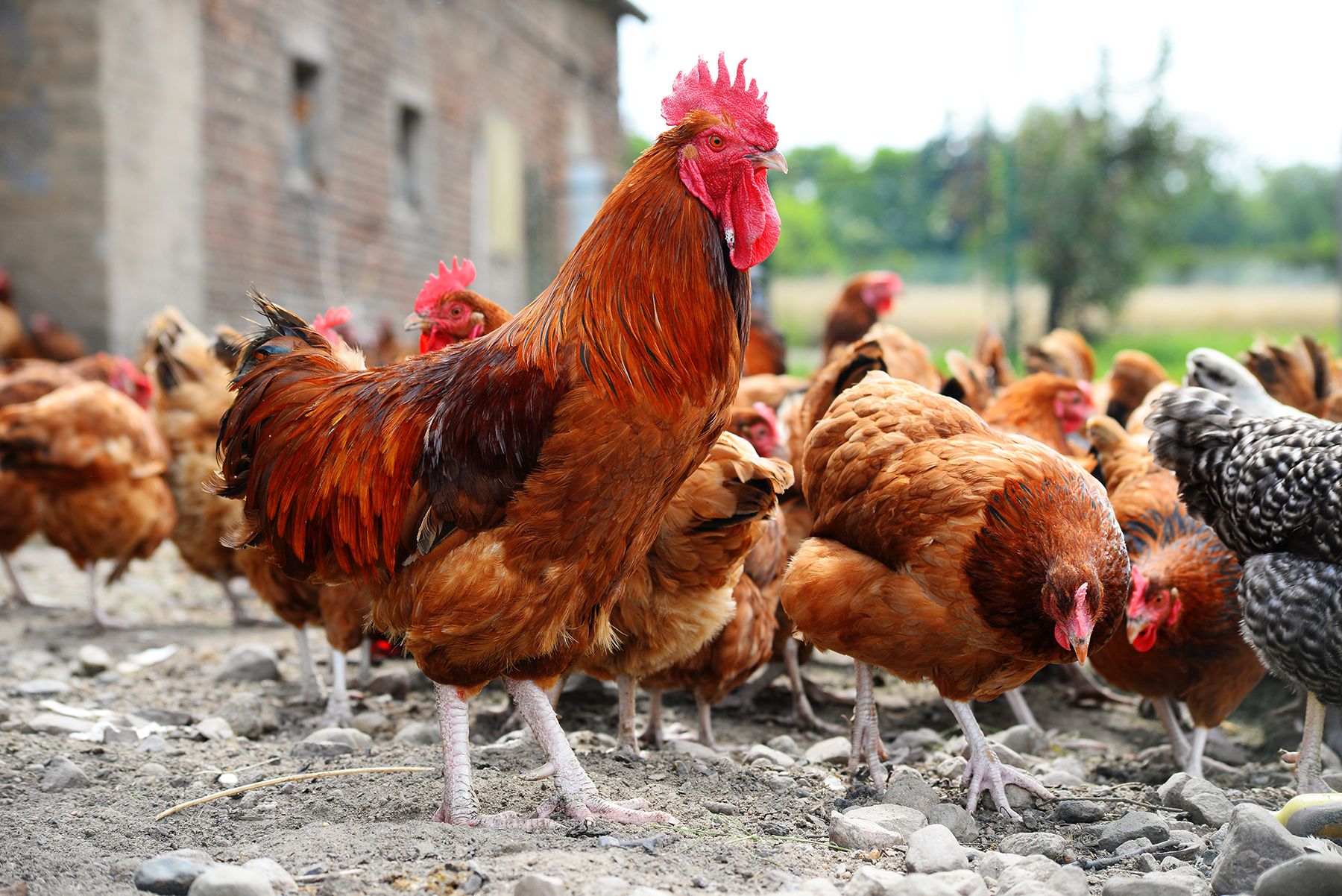
Managing Show Chickens Through The Off Season
The off season is the best time to protect a show bird’s health, rebuild condition and prepare for the next exhibition calendar. Birds that looked impressive under the judge’s eye still need daily care when there are no rosettes on the line.
For Australian keepers, the quiet period may fall in very different weather. A flock in Victoria can be dealing with cold, wet runs while birds in Queensland face heat, flies and humidity. In New South Wales, autumn and winter can offer excellent conditioning weather, but sudden rain and muddy ground still create management problems.
A sound routine covers housing, nutrition, parasite control, records and gentle handling. It should also leave room for quarantine, moulting and the timing of local agricultural shows, including major events such as the Sydney Royal Easter Show.
| Management Priority | Off-Season Focus | Sign Of Good Progress |
|---|---|---|
| Housing | Dry litter, ventilation and predator protection | Clean feathers and calm behaviour |
| Nutrition | Controlled calories and adequate protein | Firm body condition without excess fat |
| Health | Quarantine, parasite checks and observation | Bright eyes, clear nostrils and steady weight |
| Handling | Regular examination and crate practice | Birds remain composed when handled |
| Records | Weights, moult dates and breeding notes | Clear decisions before show season |
Set The Off-Season Calendar
Start by marking the likely show dates, moult periods and breeding goals on a simple calendar. A bird that is coming into a full moult should not be pushed into exhibition condition too quickly. New feathers need time to grow, harden and develop their final sheen, lacing or colour.
Separate the year into maintenance, moult and preparation phases. During maintenance, aim for stable weight and sound health. During moult, prioritise protein, rest and protection from weather. Six to eight weeks before an event, gradually increase handling, grooming and transport practice rather than making abrupt changes.
Keep Housing Show Ready
A show-quality chicken needs a clean, dry environment even when it is not travelling. Use absorbent litter, remove wet patches promptly and keep perches smooth enough to avoid foot injuries. Good airflow is essential, but avoid draughts blowing directly across resting birds, particularly during cold Victorian nights.
In hot parts of Queensland and northern Australia, shade and cool drinking water deserve equal attention. Provide several water points so dominant birds cannot control access, and inspect drinkers daily for algae or contamination. Secure mesh, latches and roofing against foxes, dogs and determined goannas around rural properties.
Feed For Condition, Not Excess
Overfeeding can soften muscle definition, reduce mobility and leave a bird looking coarse rather than powerful. Use a balanced maintenance ration as the foundation, with clean water available at all times. Measure treats such as greens, mealworms or grain so they support engagement without replacing essential nutrients.
During feather growth, a quality layer or breeder ration may provide useful protein, but supplements should have a clear purpose. Avoid sudden diet changes before a show. Record body weight every week or two, using the same time of day and a calm method, so gradual fat gain or loss is visible before it affects presentation.
Maintain Feather And Skin Health
Regular inspection is more valuable than constant washing. Run your hands gently over the bird’s body, check the vent, examine the feet and look beneath the wings for lice, mites, scurf or irritated skin. Treat confirmed problems according to veterinary or product directions, and observe withholding requirements where relevant to exhibition rules.
Dust, mud and sticky droppings can damage feather quality. Keep the pen clean and use a shallow bathing routine only when necessary, allowing the bird to dry fully in a warm, safe area. During moult, handle pin feathers carefully because newly emerging shafts can be sensitive and easily broken.
Manage Breeding And Bird Records
The off season is the right time to assess which birds should remain in a breeding group. Note comb type, leg colour, body shape, temperament, feather faults and show results rather than relying on memory. Keep pedigrees separate and mark youngsters clearly, especially when several varieties share a brooder or grow-out pen.
If you are adding heritage poultry to the property, study the breed’s production traits as well as its appearance. For example, this Bourbon Red profile can help keepers understand how heritage turkey characteristics differ from those of exhibition chickens. Accurate records also make it easier to avoid close matings and select stronger offspring.
Prepare For Australian Biosecurity Risks
Quarantine every new bird for a suitable period away from the established flock, with separate footwear, equipment and feed storage where possible. This matters when buying birds or hatching eggs from interstate suppliers, attending swap meets or returning from a show. Clean crates after every trip and do not share equipment casually between properties.
Watch for respiratory signs, diarrhoea, unusual deaths, swollen joints or a sudden drop in feed and water intake. Local council rules, state biosecurity requirements and movement restrictions can change, so keep current contact details for your state agriculture department. If you are raising chicks, learn the limits of visual sexing through this sexing chicks guide before making breeding or housing decisions.
Build A Practical Return-To-Show Plan
A show bird should become comfortable with examination long before it enters a judging pen. Lift it correctly, inspect the beak and feet, open the wings gently and practise standing on a clean table. Short sessions several times a week are more effective than an occasional stressful handling session.
Crate training should be gradual. Begin with a few minutes in a well-ventilated carrier, then extend the time while monitoring breathing, posture and stress. Keep transport days quiet, avoid leaving birds in parked vehicles and plan for Australian heat, long regional drives and variable showground facilities.
Weekly Off-Season Priorities
- Check body condition, feet, eyes, nostrils and vent
- Replace damp litter and clean drinkers
- Record weights, moult progress and any treatment
- Practise calm handling and brief crate sessions
- Review fencing, shade, ventilation and predator control
A consistent routine turns the off season into productive preparation rather than idle time. Review your flock regularly, source healthy replacement birds or hatching eggs when needed, and give each promising chicken the conditions required to return to the show bench in strong, polished form.