How to introduce new birds to an established flock without stress
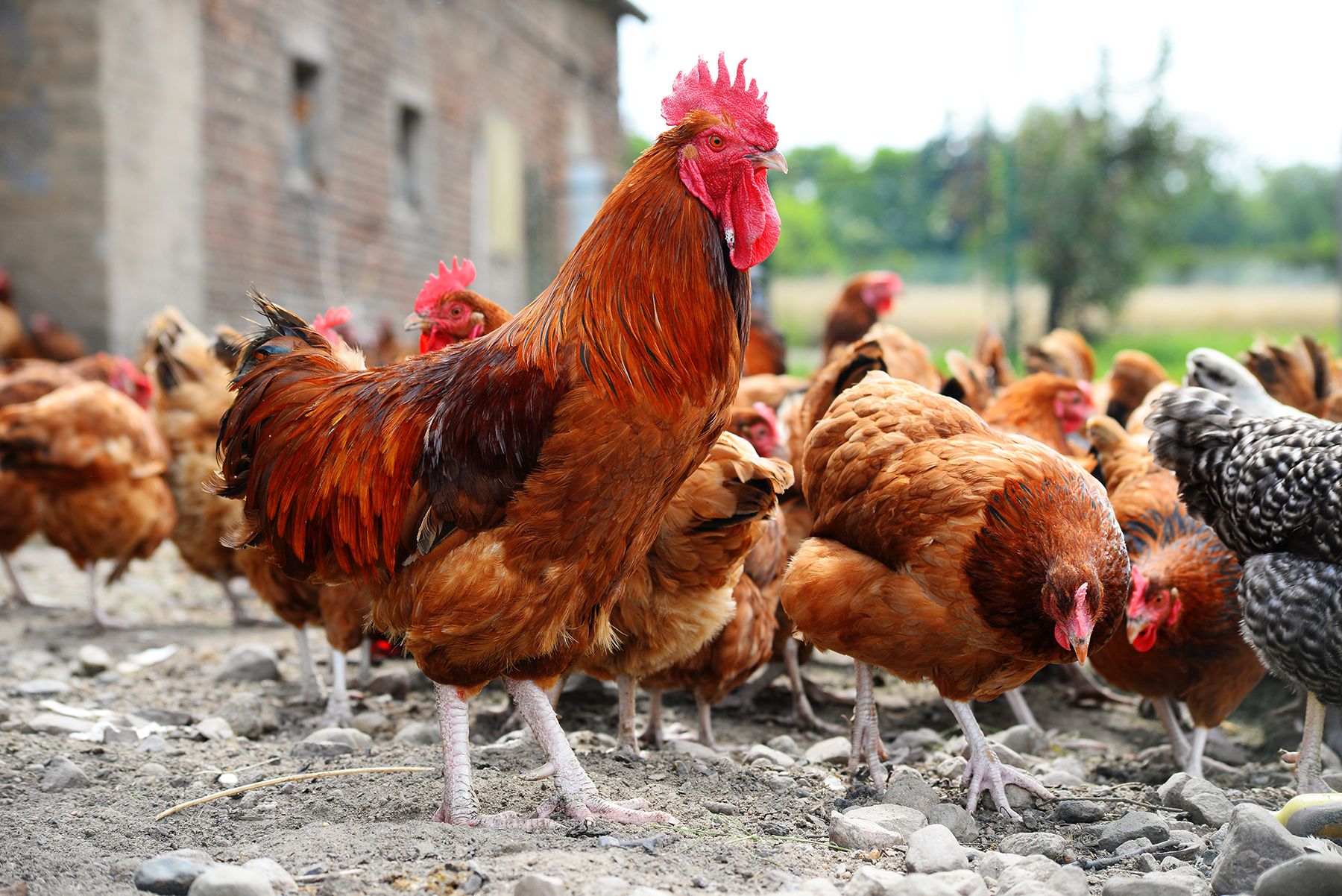
Adding new poultry to an established flock can refresh genetics, expand a breeding programme or bring different breeds to a homestead. It can also trigger pecking, food competition and avoidable illness if the birds are mixed too quickly. A calm, staged approach gives the newcomers time to settle while allowing the resident flock to adjust.
This matters whether you are adding heritage hens near Melbourne, bantams to a suburban property in Brisbane or ducks to a larger farm outside Perth. Australian keepers also need to consider heat, sudden weather changes, fox pressure and local council rules before expanding a flock.
Healthy birds from a reliable source are the best starting point. Ask about age, vaccination history, sex, transport conditions and any recent illness. Careful planning is especially important when introducing chicks, mature birds, turkeys, geese or other poultry species with different housing and feeding needs.
Check health before the birds arrive
Quarantine all newcomers before they meet the established flock. A separate coop, shed or secure pen should be far enough away to prevent shared drinkers, feeders and droppings from spreading infection. Four weeks is a sensible minimum for close observation, with longer separation appropriate if a bird appears unwell.
Look for bright eyes, clean nostrils, smooth feathers, steady breathing and normal droppings. Watch for lice, mites, swollen joints, limping, weight loss or reluctance to eat. An avian veterinarian can advise on testing and treatment, while state biosecurity departments provide guidance on reporting serious poultry diseases.
Use dedicated footwear and equipment for the quarantine area, and care for the established flock first. In Australia, this simple habit supports good farm biosecurity, particularly when birds, eggs or equipment move between properties and local poultry markets.
Prepare a separate settling pen
The new birds need shelter from wind, rain and extreme heat, with shade available throughout the day. This is particularly important during hot spells in Adelaide, Sydney and inland areas, where poorly ventilated housing can become dangerous within hours. Provide clean water, dry bedding and enough floor space to avoid crowding.
Keep feed and water containers positioned away from droppings, and check them twice daily during the settling period. A secure roof and wire mesh will help protect birds from foxes, snakes, rats and roaming dogs. Do not rely on a temporary fence unless it is strong enough to withstand persistent pecking and pushing.
Allow the newcomers to learn the sounds and routine of their new environment. Regular feeding times and quiet handling reduce fear, while sudden chasing, loud machinery and unnecessary catching can make the first few days harder.
Let both groups see each other
Once quarantine is complete, place the new birds in a divided enclosure beside the resident flock. They should be able to see, hear and smell each other without making contact. This stage often takes several days, although timid birds or highly territorial flocks may need longer.
Choose a neutral section of the run where possible. Introducing birds into an established henhouse gives the resident flock a strong territorial advantage. A supervised meeting in a larger space, preferably in the late afternoon when activity is slowing, can reduce conflict.
Scatter a little feed or provide several leafy branches and safe distractions. These encourage natural foraging rather than allowing every bird to focus on the newcomers. Keep a solid barrier nearby so you can separate birds quickly if aggression becomes excessive.
Add space, food and escape routes
Pecking order behaviour is normal, but overcrowding intensifies it. Add extra feeders and drinkers before integration, placing them in separate areas so a dominant hen cannot guard every resource. Multiple perches, low platforms and visual barriers give smaller birds places to move away.
Do not combine birds of dramatically different sizes without careful supervision. A large rooster, turkey or goose can injure bantams and young chickens even without deliberate aggression. Similarly, ducks require different water management from chickens because wet bedding increases health problems.
For keepers buying or selling birds through the Australian market, plan transport and settling dates around the weather. Avoid moving poultry during the hottest part of the day, and allow extra recovery time after long trips between cities or regional properties.
Watch behaviour after release
Expect brief chasing, warning calls and some pecking as the hierarchy changes. Healthy birds should still be able to eat, drink, perch and rest. Intervene when one bird is repeatedly cornered, bleeding, unable to reach food or showing signs of collapse.
Inspect the flock several times on the first day and again at dawn and dusk for the next week. A bullied bird may hide illness, so check body condition and droppings as well as visible injuries. Separate serious aggressors or vulnerable birds rather than repeatedly removing the same victim without changing the setup.
A predictable household routine helps birds settle. Finish noisy chores before the flock’s evening roosting period, and keep handling calm. After the poultry work is done, adults may choose to relax with reviewed Aussie slots, while keeping all screens, food and non-poultry activities away from feed storage and animal areas.
Keep the integration routine consistent
Most successful introductions depend on preparation rather than speed. Continue checking the newcomers’ condition, keep quarantine equipment separate until the process is complete, and record any symptoms, treatments or changes in behaviour. These notes are useful when managing a breeding flock or adding birds again later.
A stable flock is easier to maintain when every bird has access to essentials and the enclosure is cleaned regularly. Review local council requirements before keeping roosters or expanding numbers, especially in built-up areas such as Melbourne, Canberra and the Gold Coast.
Practical ways to reduce flock tension
- Quarantine new birds for at least four weeks and monitor them daily.
- Add duplicate feeders, drinkers, perches and shaded resting places.
- Begin with visual contact before allowing supervised physical contact.
- Introduce birds in a spacious, neutral area rather than the main coop.
- Separate injured, exhausted or persistently bullied birds immediately.
| Situation | Main risk | Safer approach |
|---|---|---|
| Chicks joining mature hens | Injury, chilling and food competition | Use a protected brooder or grow-out pen until sizes and needs are compatible |
| Bantams joining large fowl | Serious pecking or crushing injuries | Provide extra escape spaces and supervise every meeting |
| A new rooster joining hens | Fighting and overmating | Introduce gradually and remove any bird causing repeated injury |
| Ducks joining chickens | Wet bedding and different feeding needs | Provide separate water management and dry sleeping areas |
| Several adult birds arriving together | Stress and disease transmission | Quarantine as a group, then introduce them beside the flock before release |
Good poultry management turns a difficult meeting into a controlled transition. Source healthy stock, give every bird room and resources, and let behaviour guide the pace. Premium Poultry Breeds can help homesteaders, breeders and Australian poultry enthusiasts choose suitable birds and hatching eggs for a healthy, well-managed flock.