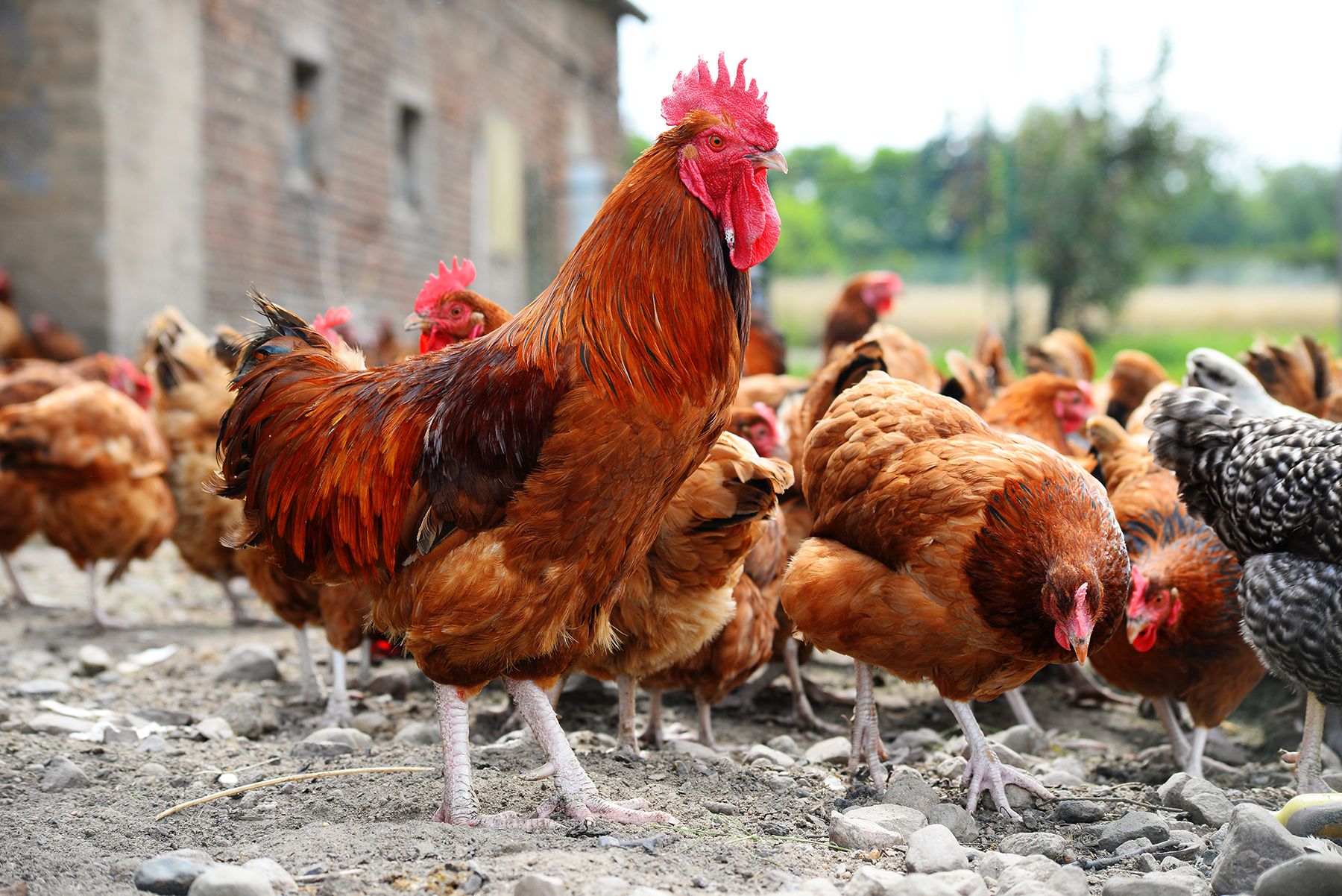
How to Identify and Prevent Sour Crop in Turkeys
A turkey’s crop is a temporary storage pouch at the base of the neck. It holds feed before it moves into the digestive tract. When the contents remain too long and begin to ferment, the crop can become enlarged, soft and sour-smelling. This condition is commonly called sour crop or crop yeast infection.
Early recognition matters because a turkey may lose weight quickly while still appearing alert. Sour crop can also occur alongside impacted crop, mouth lesions, intestinal disease or other problems that need veterinary attention. In Australia, hot summer weather, sudden feed changes and long periods of reduced activity can increase digestive stress.
Keepers in Brisbane, Sydney, Melbourne and rural districts should inspect birds regularly, especially during heatwaves or after moving them to a new run. Good-quality stock, clean water and careful handling are central to prevention, whether the birds are heritage turkeys on a homestead or breeding birds in a small commercial flock.
Recognise Early Warning Signs
The most noticeable sign is a crop that remains swollen after the turkey has had several hours without feed overnight. It may feel loose and fluid-filled rather than firm with grain. A sour, fermented smell from the beak is another strong warning sign, although not every affected bird has an obvious odour.
Watch for repeated swallowing, neck stretching, regurgitation, reduced appetite and watery droppings. A turkey may become quieter, lose condition around the breast and produce a dull, rough-looking plumage. Young poults can deteriorate particularly quickly because they have fewer reserves.
Check the crop at the same time each morning, before feeding. A healthy crop should be largely empty or only lightly filled. If swelling persists, record the bird’s weight, droppings, appetite and behaviour so an avian veterinarian can assess the pattern accurately.
Understand Why Crop Ferments
Sour crop develops when normal crop emptying is disrupted. Yeast, especially Candida species, can multiply in retained feed and fluid. Overeating, coarse fibrous material, spoiled feed, poor muscle function or an obstruction can all slow the passage of food.
Dirty drinkers and mouldy grain add avoidable risks. Heat stress is especially relevant across inland Queensland, New South Wales and Western Australia, where birds may drink heavily, eat erratically and become less active during the hottest part of the day. Sudden access to lush pasture can also upset digestion.
Underlying illness, antibiotics and injuries affecting swallowing may contribute. A soft crop does not prove that yeast is the only problem, so household remedies should not replace diagnosis. Oils, vinegar, human antifungal products and forced water can cause aspiration or make an obstruction worse.
Practical Checks Before Treatment
Handle the turkey calmly and support its body. Feel the crop gently without squeezing or trying to empty it through the beak. A hard, tightly packed crop suggests impaction, while a soft, sloshing crop with a sour smell is more consistent with fermentation. These conditions can overlap.
Separate the affected bird in a clean, dry pen with easy access to fresh water. Isolation helps monitor droppings and appetite while reducing competition at the feeder. Disinfect drinkers, remove wet litter and inspect feed bins for clumping, mould or rodent contamination.
Veterinary care is important when the crop remains abnormal, the bird regurgitates, breathing becomes difficult, or weight loss is evident. A professional may examine the mouth, test crop contents and prescribe an appropriate antifungal or treatment for an underlying obstruction. Do not massage forcefully or induce vomiting.
Preventive Feeding And Husbandry
Offer a balanced turkey ration suited to the bird’s age and purpose, with clean pellets or crumble stored in a cool, dry container. Avoid large amounts of bread, kitchen scraps, long grass, spoiled grain and treats that displace complete feed. Introduce pasture or new ingredients gradually over several days.
Provide shade, ventilation and several clean drinkers during Australian summer. In smaller yards, place water in shaded positions and check it more than once daily. Stable access to water supports normal crop emptying, while clean bedding reduces contamination around feed and drink stations.
Good biosecurity also protects digestion. Quarantine new birds, clean equipment between pens and source poultry from suppliers that emphasise health screening and careful handling. The same hygiene principles apply across species, including the equipment discussed in this duck processing guidance, where contamination control is equally important.
Daily Checks And Warning Signs
A short routine can identify changes before sour crop becomes severe:
- Feel the crop before morning feeding.
- Check water freshness, shade and drinker cleanliness.
- Observe appetite, droppings, posture and breathing.
- Weigh young or recovering birds regularly.
Seek veterinary advice promptly when you notice:
- A crop that stays full overnight.
- Repeated regurgitation or a sour odour.
- Rapid weight loss, weakness or dehydration.
- Blood, severe diarrhoea or breathing difficulty.
Compare Crop Conditions And Act Promptly
Use these general differences as a monitoring guide, not as a substitute for diagnosis. Crop texture can change as a problem progresses, and a turkey may have more than one condition at once.
| Sign | Normal crop | Sour crop | Impacted crop |
|---|---|---|---|
| Morning size | Empty or lightly filled | Often swollen and soft | Firm, packed or doughy |
| Smell | No unusual odour | Sour or fermented | Usually little odour |
| Contents | Food moves through normally | Fluid and partially fermented feed | Dry feed, fibres or foreign material |
| Common behaviour | Normal appetite and activity | Poor appetite, swallowing or regurgitation | Repeated swallowing, discomfort and reduced feeding |
| Appropriate response | Continue routine care | Isolate and contact a veterinarian | Urgent veterinary assessment |
Healthy turkeys are easier to maintain when their source, transport and arrival care are managed carefully. When purchasing poults, mature birds or breeding stock, ask about vaccination, feeding history, quarantine recommendations and the best ration for the strain. A gradual transition is safer than changing feed on arrival.
Premium Poultry Breeds supports poultry keepers seeking carefully handled birds and hatching stock for Australian farms, homesteads and breeding programs. Browse suitable turkey options and plan a clean quarantine area before birds arrive, then keep daily records so small changes receive attention early.