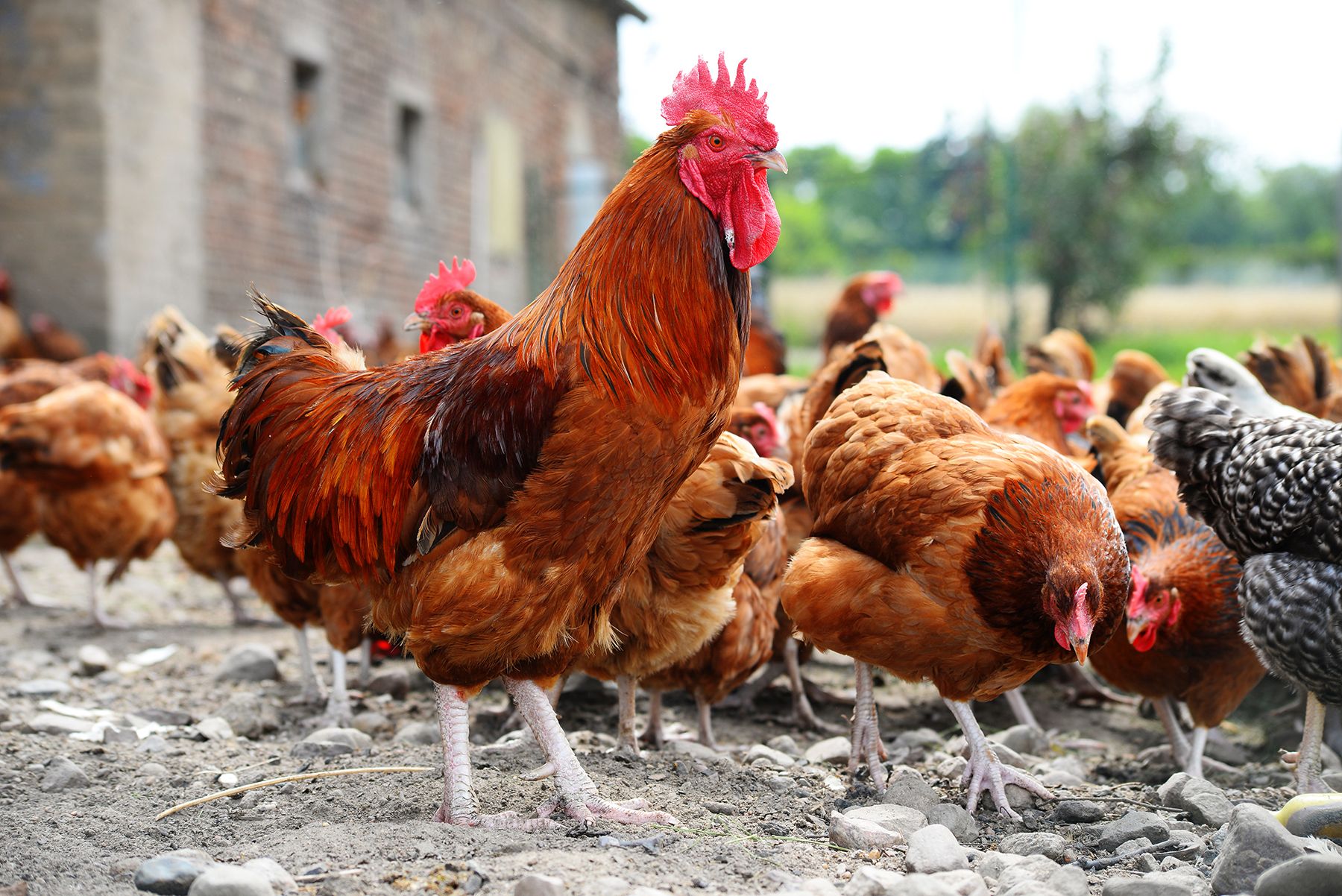
How to handle and transport mature turkeys safely
How to handle and transport mature turkeys safely begins well before loading. Heavy birds panic when their feet lose grip or their wings are grabbed, so calm restraint, a sound carrier and a short journey matter more than force.
Good handling protects more than feathers. A frightened turkey may bruise its breast, scratch its face or damage its toe pads. Use two people for large birds, and keep dogs, machinery and sudden noise away from the catching area.
Australian conditions add pressure. Summer heat in Melbourne, Sydney and Brisbane, dry heat in Perth, cold wet roads around Adelaide and long rural-to-metropolitan routes can make a crate hot, damp or uncomfortable within minutes.
Prepare each bird and its travel crate
Before travel, check every turkey for wounds, swollen feet, nasal discharge, laboured breathing or unusual lethargy. Do not load a sick bird; arrange veterinary advice and treatment. Familiar feed, clear identification and a clean carrier reduce confusion.
Ask the seller about age, sex, size, temperament and handling history. A reputable breeder profile should provide clear contact details and current stock information. Give the destination keeper the same records so they can prepare an appropriate arrival space.
Use a rigid, escape-proof carrier with strong handles, secure doors and ventilation openings on several sides. Line the base with clean, dry, absorbent bedding. Avoid exposed wire, overcrowding and gaps through which a turkey can push its head. The carrier must fit the vehicle so it cannot slide or tip.
Catch and restrain adult birds calmly
Work in a small, familiar pen with non-slip footing and dim, even lighting. Move slowly, block escape routes and use a broad poultry net or handling crate rather than chasing a bird by hand. Calm cornering helps prevent broken feathers and leg injuries.
Support the breast and body with both forearms, fold the wings gently against the body and keep the feet clear of hard edges. Never lift a turkey by the neck, wing tips or legs. A large bird should be carried by two adults, with one person controlling the head and shoulders.
Separate birds with different temperaments when necessary. Strutting or aggressive turkeys can be placed in a divided carrier with safe visual contact, while nervous birds benefit from calm handling and restricted movement. Inspect their feet again after loading and record any new injuries.
Protect the birds during the journey
Position carriers on the floor of a van, truck or suitable ute cargo area, secure them to anchor points and protect them from weather. In hot weather, use a cool, shaded vehicle with constant airflow. Never leave birds in a parked vehicle or closed boot while paperwork is completed.
For longer journeys, use a specialist live-animal carrier familiar with poultry. Confirm that the service accepts adult turkeys and can provide ventilation and water en route. Ordinary parcel freight and passenger airlines may not accept live birds, so obtain the carrier’s animal-welfare requirements before booking.
Keep the food familiar and do not withhold water. For a lengthy trip, provide a stable, spill-resistant drinker or offer water at planned rest stops according to the breeder’s or veterinarian’s advice. Inspect through the carrier rather than opening it roadside, and avoid unnecessary overnight delays.
Meet Australian biosecurity and transport rules
State border rules apply to every interstate movement. Depending on the route and species, buyers may need a poultry health certificate, movement records, permits or an approved livestock vehicle. Check current requirements with the destination state’s agriculture department before collection, and follow council or saleyard rules for the local market.
Tasmania, Western Australia and the Northern Territory have particularly site-specific entry controls, so an experienced carrier should not improvise. Keep invoices, certificates and emergency contacts in the vehicle, and never move an uncertified bird across a state border.
For overseas orders, Australian Customs and Border Protection and the importing country’s authorities may require advance approval, permits and quarantine arrangements. Keep loading areas clean and separate from home poultry. When garden space is nearby, garden growing guidance can help plan beds protected from bird access, feathers, litter and contaminated runoff.
Settle turkeys safely at arrival
Send the receiving keeper the arrival time and carrier count before departure. Unload in a quiet, shaded, escape-proof room, offer clean water immediately and provide the birds’ usual feed. Check breathing, gait, appetite and feather condition, then separate the turkeys from the resident flock for the quarantine period required by local veterinary or biosecurity advice.
Smaller birds need separate arrangements. Young quail require different dimensions, heat and handling from adult turkeys, so the young quail options should be assessed independently and housed in a separate arrival area.
| Journey condition | Carrier setup | Main risk | Practical response |
|---|---|---|---|
| Short local run | Familiar bedding and secure floor anchor | Heat inside a parked vehicle | Travel early or late and keep the vehicle shaded |
| Long intercity trip | Spacious compartment and planned drinker | Dehydration and temperature changes | Use a poultry-experienced live-animal carrier |
| Hot or humid weather | Wide ventilation without insecure gaps | Overheating and panting | Avoid midday travel and seek veterinary help if distressed |
| Cool or wet weather | Dry absorbent bedding and protected airflow | Dampness and chilling | Keep the carrier dry and out of direct wind |
| Mixed sizes or temperaments | Safe partitions and low stocking density | Piling, fighting or injury | Load larger birds separately and isolate aggressive birds |
A practical transport checklist
- Check each turkey’s fitness, identity, destination paperwork and collection time.
- Use a rigid, ventilated carrier with absorbent bedding and secure doors.
- Brief handlers on calm restraint, two-person lifting and safe release.
- Anchor carriers away from exhaust, rain, direct wind and unsecured loads.
- Provide water for extended travel and coordinate rest stops with the carrier.
- Carry health certificates, permits, invoices and emergency contacts.
- Inspect birds at arrival and complete the destination’s quarantine requirements.
Before booking, contact the breeder to confirm each turkey’s fitness, exact carrier size, collection time, paperwork and specialist live-animal carrier. Brief everyone on loading, temperature control and rest stops, then have the destination keeper ready with water, familiar feed and a separate recovery area.