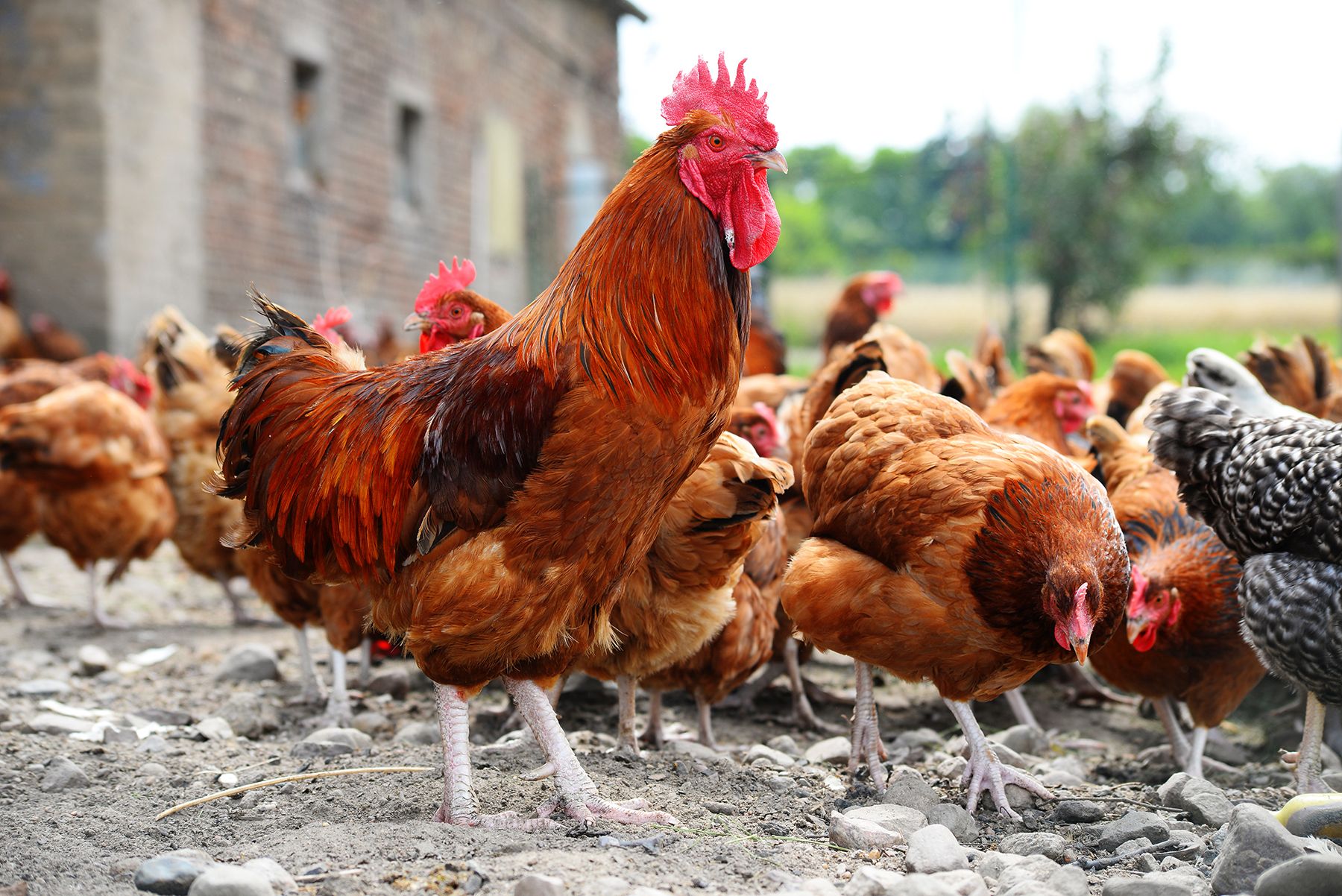
How to establish a flock of Lavender Orpington chickens
Lavender Orpingtons are large, calm birds with soft slate-blue plumage, a useful dual-purpose temperament and a reliable place in small-scale backyard flocks. Building one successfully begins with deciding how many birds you can genuinely house and care for, then matching each bird’s age and health status to your setup.
In Australia, that plan must account for local council rules, extreme summer heat, wet winters, predator pressure and state biosecurity controls. A group of four to six hens gives a beginner a manageable flock; add a rooster only if you want fertile eggs for hatching, not for ordinary egg production.
Set the size and purpose
Start by listing the flock’s jobs: eggs, meat, breeding, companionship or show birds. Four to six hens suit most homesteads and hobby farms, while eight to twelve provide more eggs and a calmer social group. Breeding calls for a clearly identified cockerel and separate records, so it needs a larger, securely fenced run.
Check your local council before ordering. Sydney and Melbourne councils impose different rules on poultry numbers, setbacks, property boundaries and, in some areas, roosters. Confirm the current by-law for your suburb, speak with neighbours if hens may be close to their home, and ask whether your planned run size meets local welfare requirements.
Choose birds from a traceable supplier
Australian breeders, specialist hatcheries and reputable online sellers can supply day-old chicks, started pullets or adult hens. Ask for hatch or birth dates, breed markings, sex, feeding history, health records and a policy for sick or transit-damaged birds. Local sale yards and poultry breeders may let you inspect stock before choosing.
When buying online, confirm that the seller ships to your postcode, then apply basic online payment safety practices: stay on the company’s verified site, use a protected payment method and avoid off-platform transfers. For overseas purchases, check Australian customs, animal-import and biosecurity eligibility before paying, as restrictions can make an apparently simple order impossible to receive.
Build a predator-proof home
Orpingtons are heavy birds that need a well-drained, dry coop with enough headroom and a secure nightly pop-hole. Use strong welded wire or suitable aviary mesh, buried or skirted lower edges, secure latches and a roof that excludes mice and weasels. Their heavier size makes them less agile than smaller hens, so ramps should be broad and low.
Design for Australian seasons rather than copying a damp British coop. In Sydney and inland Melbourne, provide shade, insulation, several water points and a sheltered dust-bathing area for hot, dry summers. In cooler regions, keep rain out while allowing fresh air; wet litter causes ammonia and foot problems. Keep the run dry, clean bedding and predator-proof openings at all times.
Feed birds at every stage
Day-old chicks need a draught-free brooder, non-slip flooring and a constant source of clean water. Start near 32–35°C and reduce by roughly 2–3°C each week as feathering develops; watch their behaviour instead of relying only on the thermometer. Use chick starter until chicks reach about six to eight weeks, then move them gradually to a suitable grower or layer diet.
Adults benefit from quality layer pellets, clean water, grit for digestion and a separate calcium source once they begin laying. Adjust feed to body condition and production without allowing spilled feed to rot. Established suppliers such as Premium Poultry Breeds offer a specialist poultry catalogue, so compare age, sourcing details, live-animal packaging and the seller’s delivery and support arrangements before checkout.
Protect health and biosecurity
Quarantine new birds for about 30 days in a separate, easy-to-clean space. Use dedicated feed and water vessels, footwear or a footbath, and watch for inactivity, drooping wings, breathing trouble, diarrhoea or reduced eating. Isolate sick birds promptly and seek advice from a poultry veterinarian or an Australian agricultural authority rather than treating several birds at once.
Biosecurity is especially important when stock comes from several places. Clean and dry equipment, control rodents, birds and insects, and avoid sharing birds with recently purchased poultry. Before taking birds across a state border, check current requirements with the relevant agriculture department, including permits, testing and movement rules for New South Wales, Victoria and other destinations. These requirements can change.
Compare your starting point
The most practical choice depends on whether you want the quickest path to eggs or the satisfaction of raising chicks. Availability also varies between Australian breeders, regional markets and specialist online stores, so compare local stock with shipped options before deciding.
| Starting option | Typical age when purchased | Time to first eggs | Main advantages | Main trade-off |
|---|---|---|---|---|
| Day-old chicks | Newly hatched | About 5–7 months | Full control of rearing and flock size | Brooding, feeding and early-loss risk |
| Started pullets | 4–8 weeks | About 4–6 months | Skip the delicate chick stage | Less control over early development |
| Point-of-lay hens | 18–24 weeks | Within days | Fastest route to eggs | Less time to bond; laying stage varies |
Adult birds suit households with fully prepared housing, while chicks suit buyers ready to invest in equipment and time. Match the option to your available space, experience and egg timetable, and inspect the supplier’s guarantees before committing.
Begin your flock with confidence
Write down a simple sequence: confirm council approval, select a supplier, prepare the coop, buy equipment, then book the birds’ arrival. Arrange a carrier, absorbent bedding, a heat source for chicks and a backup plan for delays. Building the setup before stock arrives prevents the most common beginner errors.
Start building your Lavender Orpington flock by reviewing the specialist poultry catalogue, selecting birds that match your prepared housing and choosing a delivery date that allows proper quarantine. Keep records of feeding, health, flock numbers and egg production from the beginning, and adjust each stage as the flock develops.