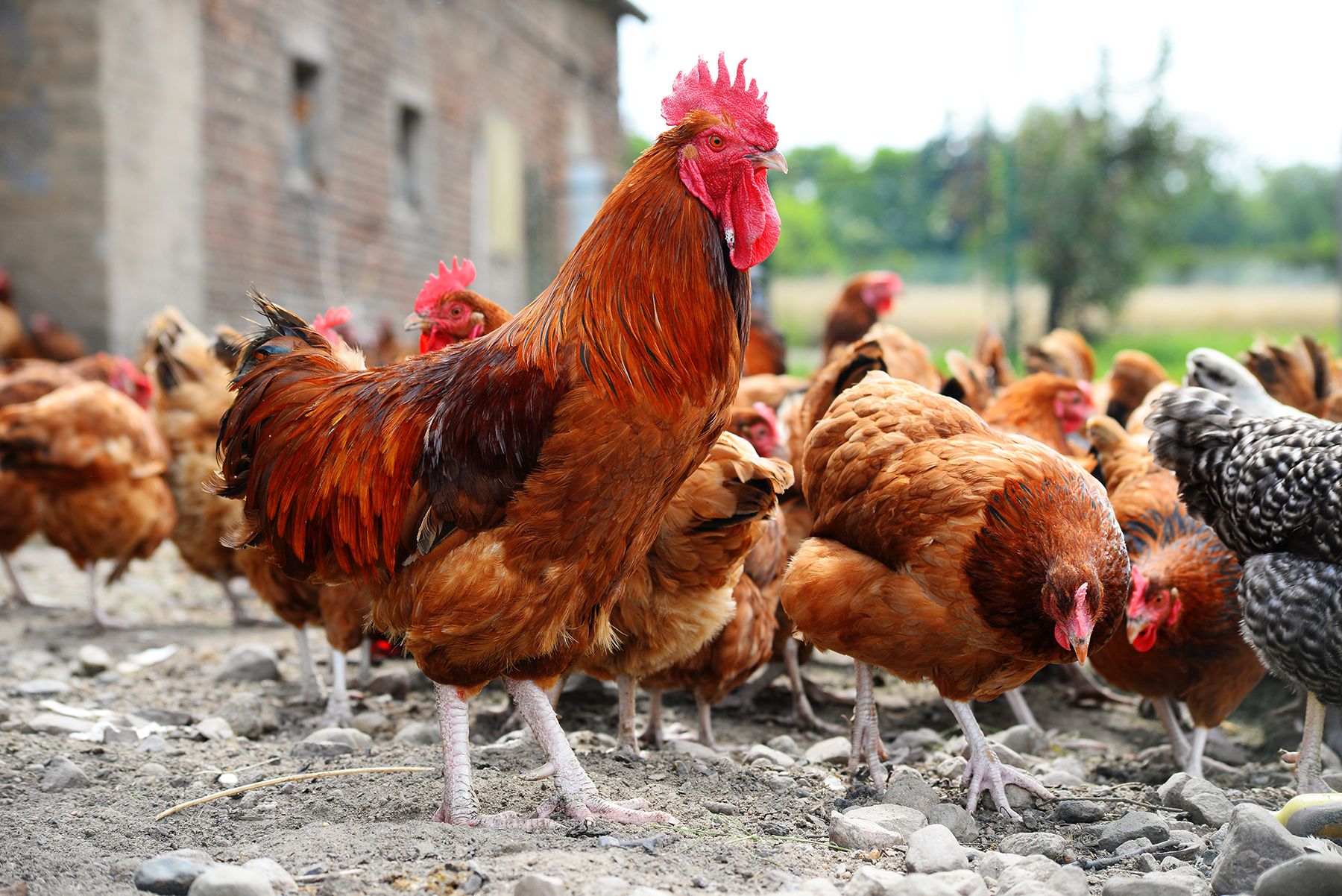
How to build a simple and secure poultry run
A well-designed poultry run gives birds room to scratch, dust-bathe, forage, and exercise while protecting them from predators and harsh weather. It does not need to be expensive or complicated. With a sensible layout, strong materials, and consistent daily care, a small backyard enclosure can serve chickens, bantams, ducks, quail, and other poultry effectively.
The best design balances security with easy access. You should be able to refill feeders, collect eggs, inspect birds, and clean the enclosure without climbing over barriers or dismantling panels. Plan around the size and behavior of your flock before buying materials.
Healthy stock also benefits from a calm, well-managed environment. Whether you are raising heritage chickens, hatching eggs, or caring for young birds from Premium Poultry Breeds, a reliable outdoor run supports good growth and reduces avoidable stress.
Choosing the right location
Select a site with good drainage and a mixture of sun and shade. Avoid low ground where rainwater collects, since standing moisture creates muddy conditions and encourages parasites. A location near the coop makes daily opening, closing, feeding, and inspection much easier.
A partial windbreak is valuable in cold or exposed areas. Existing fencing, hedges, or a building can protect one side of the run, but inspect these features for gaps. Keep the enclosure away from dense brush or stacked materials where snakes, rats, and other pests may hide.
Allow enough space for the flock to move naturally. As a general guide, provide at least 8 to 10 square feet per standard chicken in an outdoor run, with additional room for large breeds, ducks, turkeys, or mixed groups. More space helps reduce bullying and bare, compacted ground.
Building a predator-resistant frame
Pressure-treated lumber, sturdy metal posts, or galvanized tubing can form the main frame. Set wooden corner posts firmly into the ground and brace long sides so the structure cannot sway. A rectangular run is usually the simplest shape to build and cover.
Use galvanized hardware cloth rather than lightweight chicken wire for the lower walls. Chicken wire keeps birds contained but will not reliably stop raccoons, foxes, dogs, or determined rodents. Choose openings of 1/2 inch for small poultry and vulnerable chicks, or 1 inch for larger birds where local predators are less aggressive.
Extend the mesh at least 12 inches below ground, or create an outward-facing buried apron 12 to 18 inches wide. Secure the apron flat beneath soil, gravel, or paving stones. This prevents predators from digging directly beside the wall.
Securing the walls, roof, and entrance
Cover the top of the run with hardware cloth, welded wire, or a strong poultry netting system suitable for your local predator pressure. A solid section of roofing provides shade and shelter from rain, while a fully enclosed roof protects against climbing predators and birds of prey.
Fasten mesh with poultry staples, screws with washers, or specialized fencing clips. Stretch it tightly and overlap seams by several inches. Small openings around corners, gates, and roof lines are common escape points, so check every joint by hand before introducing birds.
The gate should be tall enough for comfortable access and fitted with two secure latches. Raccoons can manipulate simple catches, so use a spring-loaded carabiner, bolt latch, or lockable hasp. Keep the gate level and add a threshold if birds tend to push litter or soil into the opening.
| Feature | Practical choice | Main benefit |
|---|---|---|
| Wall material | 1/2- to 1-inch hardware cloth | Blocks predators and prevents escapes |
| Ground protection | Buried mesh or 12- to 18-inch apron | Stops digging predators |
| Roof | Hardware cloth plus solid cover | Provides security, shade, and rain protection |
| Gate | Framed door with two latches | Makes entry safe and difficult to force |
| Floor surface | Grass, sand, gravel, or deep litter | Supports drainage and natural behavior |
Making the run comfortable
Add a dry shelter, especially if the coop itself is small or the run is used for long periods. A covered corner, three-sided windbreak, or simple lean-to gives birds a place to retreat during rain and strong sunlight. Ducks need especially good drainage because they splash and produce wetter litter than chickens.
Include low perches, logs, stumps, or sturdy branches for chickens and pheasants. Dust-bathing areas filled with dry sand or loose soil encourage natural grooming. Quail benefit from ground-level cover and hiding areas rather than high perches, while turkeys need strong structures and generous clearance.
Rotate movable runs or refresh heavily used sections when possible. Bare soil becomes compacted quickly, and rotating access reduces odor and parasite buildup. Never leave sharp wire ends, splintered boards, toxic plants, or unstable objects within reach.
Managing feed, water, and young birds
Place feeders under cover to keep feed dry and reduce waste. Hanging feeders or treadle models can discourage rodents, while raised waterers help prevent bedding and soil from entering the drinking supply. Check water at least daily and more often during hot weather.
Keep feed and spilled grain away from the sleeping area. Rodents are attracted to even small amounts of food, and their presence can draw snakes or other predators. Store feed in sealed metal or heavy-duty containers rather than open bags.
Young poultry need extra protection before joining an outdoor flock. A secure run cannot replace correct brooder temperature, ventilation, and litter management, so review this brooder setup guide before moving chicks outside.
Adjusting the design for your flock
Mixed poultry requires thoughtful separation. Chickens may bully quail, large turkeys can injure smaller birds, and ducks may create wet conditions that are unsuitable for some breeds. Use internal partitions or separate runs when species have different space, feeding, or shelter needs.
Breeding groups may require additional privacy and controlled access. Hatching-egg projects benefit from clean, quiet areas where eggs can be collected frequently. If you are selecting unusual egg colors or heritage traits, learning about blue egg genetics can help you plan breeding pens and avoid accidental crosses.
Inspect the enclosure weekly for loose staples, rust, washed-out soil, damaged mesh, and latch problems. After storms or predator activity, examine the perimeter immediately. Small repairs are far easier than recovering escaped or injured birds.
A practical build checklist
Before releasing poultry into the enclosure, complete a final walk-through from both inside and outside. Test the gate, examine the roofline, and confirm that the smallest bird cannot fit through any opening.
Use this short checklist during construction and routine maintenance:
- Install strong mesh on every wall, including the lower buried section.
- Add a secure roof or overhead netting suited to local predators.
- Fit two latches to the gate and keep a backup fastener nearby.
- Provide shade, dry shelter, clean water, and species-appropriate enrichment.
- Inspect the run regularly and repair damage before it expands.
A simple poultry run becomes dependable when security, drainage, comfort, and accessibility are planned together. Build with materials suited to your climate and predator risks, then adapt the layout as the flock grows. Explore healthy poultry and hatching options from Premium Poultry Breeds to give your carefully prepared enclosure a strong start.