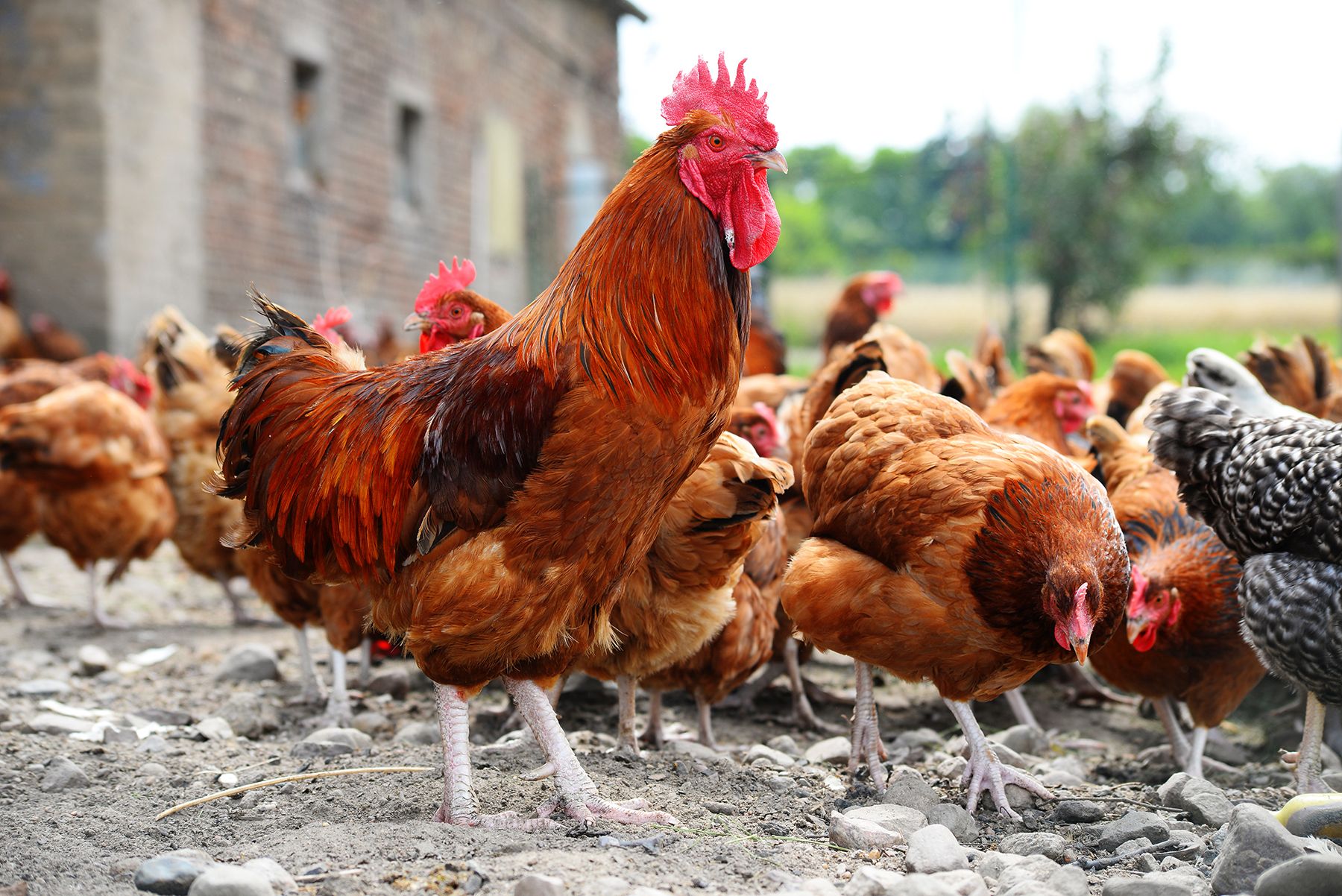
Building stronger eggshells in Australian chicken flocks
Breeding for better egg shell strength in chickens depends on more than adding a calcium scoop to the feeder. It begins with sound genetics and healthy growth, then protects that potential through nutrition, daylight and careful selection. The goal is eggs that resist handling while maintaining a regular, useful lay.
Aussie backyard flocks, affectionately called chooks, range from a few birds in a suburban block to managed units supplying local egg sellers and farmers’ markets. Local conditions change the equation: Melbourne and Hobart have short winter daylight, while Brisbane has longer days and hot, humid summers. Feed, housing and breeding decisions must suit those conditions rather than an imported routine.
Good stock is only the starting point. Improving egg shell strength sustainably means measuring results, reducing inherited weaknesses and correcting everyday faults. The following approach connects breeder selection with practical flock management for Australian conditions.
Begin with productive, healthy breeding stock
Shell thickness and breaking strength have a heritable component, but pedigree alone does not prove good performance. Look for parent birds with an even lay, sound shells and good health rather than selecting only for plumage or size. A supplier should explain its health, handling and quality-control practices; Premium Poultry Breeds provides that background in its about us page.
Hatching eggs should come from healthy, well-fed parents, while day-old chicks or point-of-lay pullets suit keepers without brooding facilities. Check that arriving birds are active, evenly feathered and free from obvious distress. A chick’s future shell depends on her own genes and rearing, not simply her mother’s reputation.
Build a small, recorded breeding group rather than keeping every promising-looking bird. Avoid close family matings, identify each mating group and retain replacements after comparing adult results. Before moving birds between properties, check state and territory poultry movement and biosecurity rules. Overseas orders also require Australian import and quarantine checks, so a bargain chick offers little value if it cannot legally enter the farm.
Feed for strong bones and well-formed shells
A layer’s shell is largely calcium carbonate, making adequate calcium essential. Most complete layer pellets contain roughly 3.5–4% calcium, with phosphorus and other nutrients balanced for bone formation and egg production. Adding extra limestone indefinitely can upset that balance and reduce feed intake, so use a formulated ration as the base.
Separate insoluble grit supports digestion in the gizzard, but it does not replace balanced feed. Pullets also need feed suited to growth: introducing layer pellets too early can impair development, while a sudden switch at point of lay can reduce intake. Change diets gradually and keep fresh water available at all times.
Many Australian keepers use wheat or maize as scratch feed, which should not replace complete layer pellets. Sunlight helps birds produce vitamin D3 and use calcium efficiently, although strong UV does not cancel the need for correct nutrition. Measure actual feed intake and observe flock behaviour; these simple checks reveal problems before a ration label can.
Balance daylight, housing and flock stress
Light and dark periods influence laying rhythms. Backyard hens generally manage well with natural daylight, but controlled programmes commonly provide around 16 hours of light and at least eight hours of darkness. Adjust lighting gradually and maintain predictable dark rest, as extended twilight can confuse hens about when to roost and return to nests.
Nests and floors determine how much good the shell does. Provide enough nest space, keep bedding dry and replace sharp fittings. Floor eggs are more likely to be stepped on, so collect frequently and make nests dark, quiet and easy to reach. Where foxes or possums visit yards, predator-proof night housing protects hens and their eggs.
Heat is another pressure point. In northern Queensland, high temperatures can suppress appetite and interrupt laying, while temperate districts can also experience sudden hot days. Provide shade, cool water and good airflow before severe weather arrives. Chasing a frightened or heat-stressed flock is poor practice; calm, healthy birds provide more consistent results.
Measure results and keep the best breeders
Use objective checks instead of squeezing every shell by hand or judging the flock from one broken kitchen egg. Shell thickness and the force required to break an egg are different measurements, and a thick shell is not always the strongest. Sample birds across different ages and mating groups, record cracked and misshapen eggs, and use suitable egg-quality equipment or a commercial testing service.
Incubation records deserve equal attention because fertility, hatchability, chick vitality and early growth reveal whether a mating group deserves another season. Time-lapse imaging can expose delayed development that routine checks may miss. A clear visual record also helps when hatch results need explaining to buyers; presenting time-lapse results offers practical guidance on communicating that evidence.
Keep pedigrees, feed changes, disease events and egg results together because shell problems often have several causes. Do not select solely for egg weight, shell colour or a show bird’s appearance. Favor hens that lay regularly, maintain shell quality as they age and raise healthy offspring. Retaining a small number of well-performing breeders limits inbreeding and makes the next generation easier to evaluate.
Put a clear improvement plan into place
Start with a baseline rather than changing several variables at once. Measure a sample from each age group, note the flock’s feed and housing, and identify where damage occurs. After six weeks, repeat the checks under similar conditions so progress is visible rather than imagined. Keep records even when a season disappoints.
| Check | Preferred result | Warning sign |
|---|---|---|
| Shell strength | High breaking force and even shape | Thin, porous or cracked eggs |
| Feed intake | Steady eating and healthy droppings | Refusals or uneven growth |
| Daylight and laying | Regular lay with a settled routine | Long pauses or persistent floor eggs |
| Nest quality | Clean, dry, accessible nests | Crowding or damaged fittings |
| Breeder records | Pedigrees, hatch results and egg data linked | Unrecorded matings or repeated losses |
These practical actions give keepers a sensible starting point:
- Establish a baseline for shell thickness, breaking strength, cracked eggs and body weight.
- Feed complete layer rations, provide suitable grit and move pullets onto layer feed gradually.
- Keep coops dry, well ventilated and predator-safe, with clean nests and steady lighting.
- Track pedigrees and hatch results, then retain only sound, productive breeders.
Turn those checks into a repeatable routine, then browse healthy poultry and hatching eggs at Premium Poultry Breeds to begin the next breeding cycle. Build each generation on evidence, consistent care and birds selected for what they contribute to the flock.