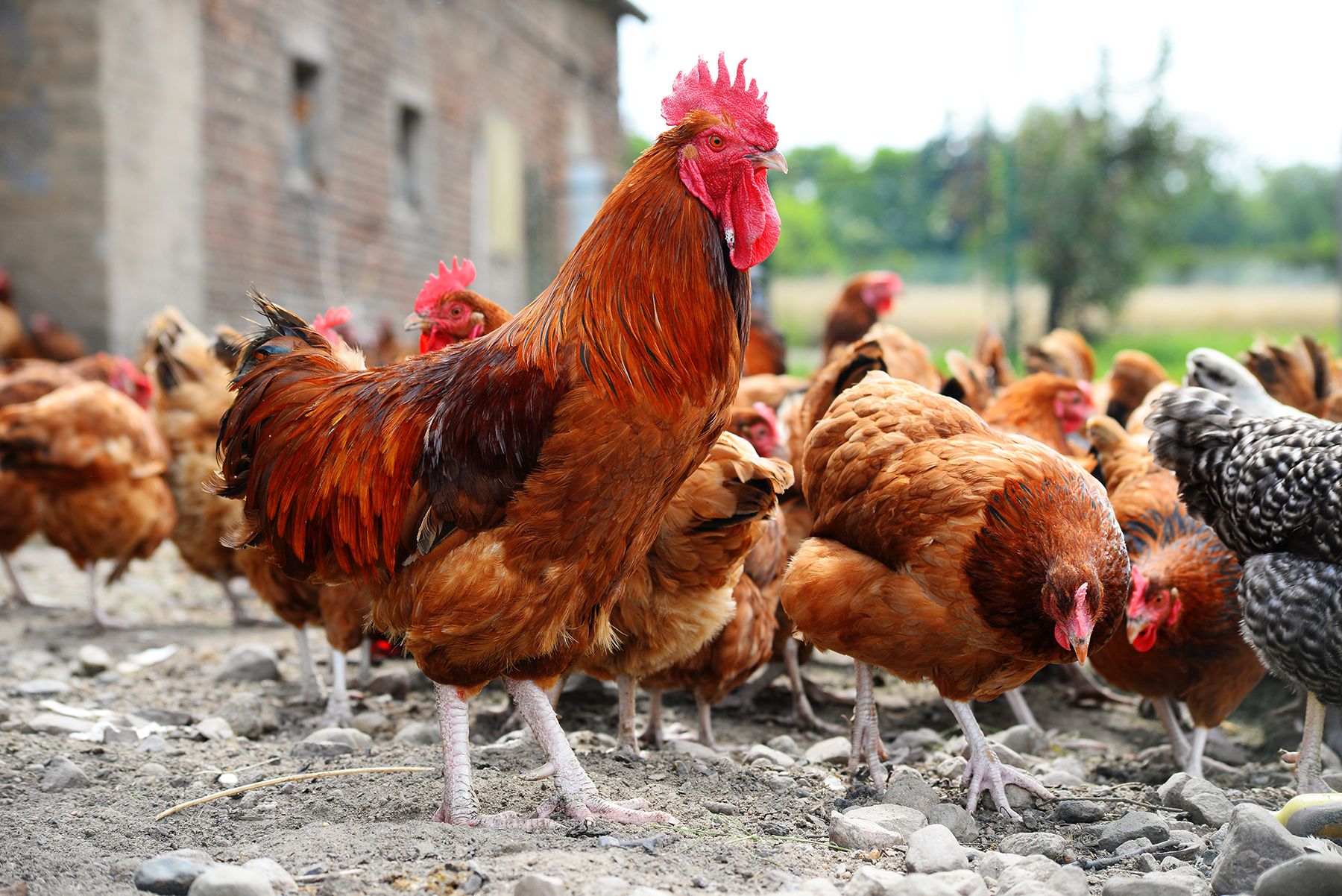
Heritage and hybrid chickens for backyard flocks
Choosing chickens for a backyard flock involves more than selecting attractive feathers. Egg production, temperament, mature size, feed use, cold tolerance, broodiness, and the ability to reproduce reliably all shape the experience of keeping poultry. Heritage and hybrid birds can both thrive in a well-managed setting, but they serve different priorities.
Heritage chickens descend from established breeds maintained over many generations. Hybrid chickens are crosses created to combine specific traits, often rapid growth, dependable laying, efficient feed conversion, or distinctive color-linked characteristics. Understanding those differences helps homesteaders and hobby keepers build a flock that suits their space and goals.
There is no universal winner. A family seeking steady breakfast eggs may prefer commercial-style layers, while a breeder or self-sufficient homesteader may value heritage genetics and natural reproduction. Many backyard flocks benefit from keeping both.
What defines a heritage chicken
Heritage poultry comes from recognized traditional breeds with a documented history and stable physical characteristics. Examples include Plymouth Rocks, Rhode Island Reds, Wyandottes, Sussex, Orpingtons, and Australorps. These birds often mature more slowly than modern production crosses, giving them time to develop substantial body structure, strong feathering, and useful dual-purpose qualities.
A heritage hen may produce fewer eggs annually than a specialized hybrid, but she can remain productive for several seasons. Many heritage breeds are also better suited to natural mating and flock reproduction. Their varied temperaments and appearances add character to a smallholding, although individual birds still differ.
Why hybrid chickens appeal to backyard keepers
Hybrid layers are bred for performance rather than preservation of a traditional breed standard. Crosses such as sex-links and high-production brown or white egg strains can begin laying early and produce a large number of eggs during their peak cycle. Some hybrids also make it easier to identify the sex of chicks by down color or feather pattern.
These advantages come with trade-offs. Production-focused birds may require a nutrient-dense layer ration and can be more vulnerable to exhaustion if their health, calcium intake, or housing conditions are neglected. Because their traits may not breed true, chicks from a hybrid mating can vary widely and may not match the parents’ laying ability.
Key differences at a glance
The right choice depends on whether the flock is primarily an egg source, a breeding project, a heritage conservation effort, or a family-friendly backyard interest. Use the comparison below as a starting point rather than a rigid rule, since breed lines and individual care can produce meaningful variation.
| Trait | Heritage chickens | Hybrid chickens |
|---|---|---|
| Main purpose | Breed preservation, dual-purpose use, natural flock renewal | High egg production, early laying, specialized performance |
| Egg output | Moderate to high, often sustained over more seasons | Usually very high during peak production |
| Maturity | Generally slower | Often faster |
| Breeding value | Chicks tend to resemble the parent breed | Offspring may be inconsistent |
| Temperament | Varies by breed; often calm and adaptable | Varies by cross; commonly active and efficient |
| Broodiness | More likely in some traditional breeds | Often reduced through selection for continuous laying |
| Appearance | Distinctive, breed-specific colors and body types | Wide range, including sex-linked and production traits |
| Best fit | Breeders, homesteaders, exhibition and conservation flocks | Families prioritizing a dependable egg supply |
Matching birds to your backyard goals
For a compact urban or suburban flock, hybrid layers can provide a strong egg yield without requiring a large number of hens. Their efficient production is useful when feed costs and housing space matter. However, owners should provide shade, ventilation, secure fencing, clean water, and protection from predators because intensive laying places considerable demands on the body.
Heritage breeds are especially appealing when the flock has room to forage and the owner wants a longer-term breeding plan. Larger bodies can provide better table value, while sturdy feathering may help birds handle seasonal weather. Some breeds are also calmer around children, making breed-specific temperament an important consideration for a family flock.
A mixed flock can balance these strengths. For example, several reliable hybrid layers can supply regular eggs while heritage hens and a compatible rooster support future hatching projects. Quarantine every new arrival, monitor social dynamics, and avoid overcrowding when combining different sizes or activity levels.
Feeding, health, and flock management
Both types need a complete ration appropriate to their age and production stage. Chicks require starter feed, growing birds need a suitable developer ration, and laying hens benefit from balanced calcium and minerals. Free-choice oyster shell can support shell quality, but it should be offered separately from the main feed so birds regulate their intake.
Hybrid hens may show the effects of nutritional deficiencies sooner because they produce eggs at a high rate. Heritage birds are not automatically disease-resistant, either. Regular observation, dry bedding, clean drinkers, parasite checks, and prompt isolation of sick birds are central to poultry health regardless of genetics.
Housing design should reflect mature size and behavior. Heavy heritage breeds need stable roosts and enough floor space, while active hybrids benefit from secure runs and enrichment that reduces pecking and boredom. Pasture rotation, dust-bathing areas, and shaded resting places can improve welfare across the flock.
Selecting birds and hatching eggs responsibly
The quality of the starting stock influences fertility, growth, laying performance, and long-term flock health. Choose a reputable poultry supplier that uses careful handling, maintains clean facilities, and provides clear information about breed identity, age, vaccination, and shipping practices. When purchasing quality eggs, remember that incubation results also depend on storage, temperature, humidity, turning, and the condition of the breeding flock.
Before ordering, consider the following recommendations:
- Select heritage breeds when predictable offspring, natural mating, or dual-purpose traits matter most.
- Choose hybrid layers when early, abundant egg production is the primary goal.
- Confirm local regulations, predator risks, climate conditions, and available coop space.
- Buy enough birds to maintain a social flock while staying within the housing capacity.
- Keep new poultry separate during quarantine and introduce them gradually.
A thoughtful plan makes either type a successful addition to the backyard. Browse healthy chicks, mature birds, heritage breeds, and hatching options from Premium Poultry Breeds to begin building a flock that matches your household, breeding ambitions, and daily egg needs.