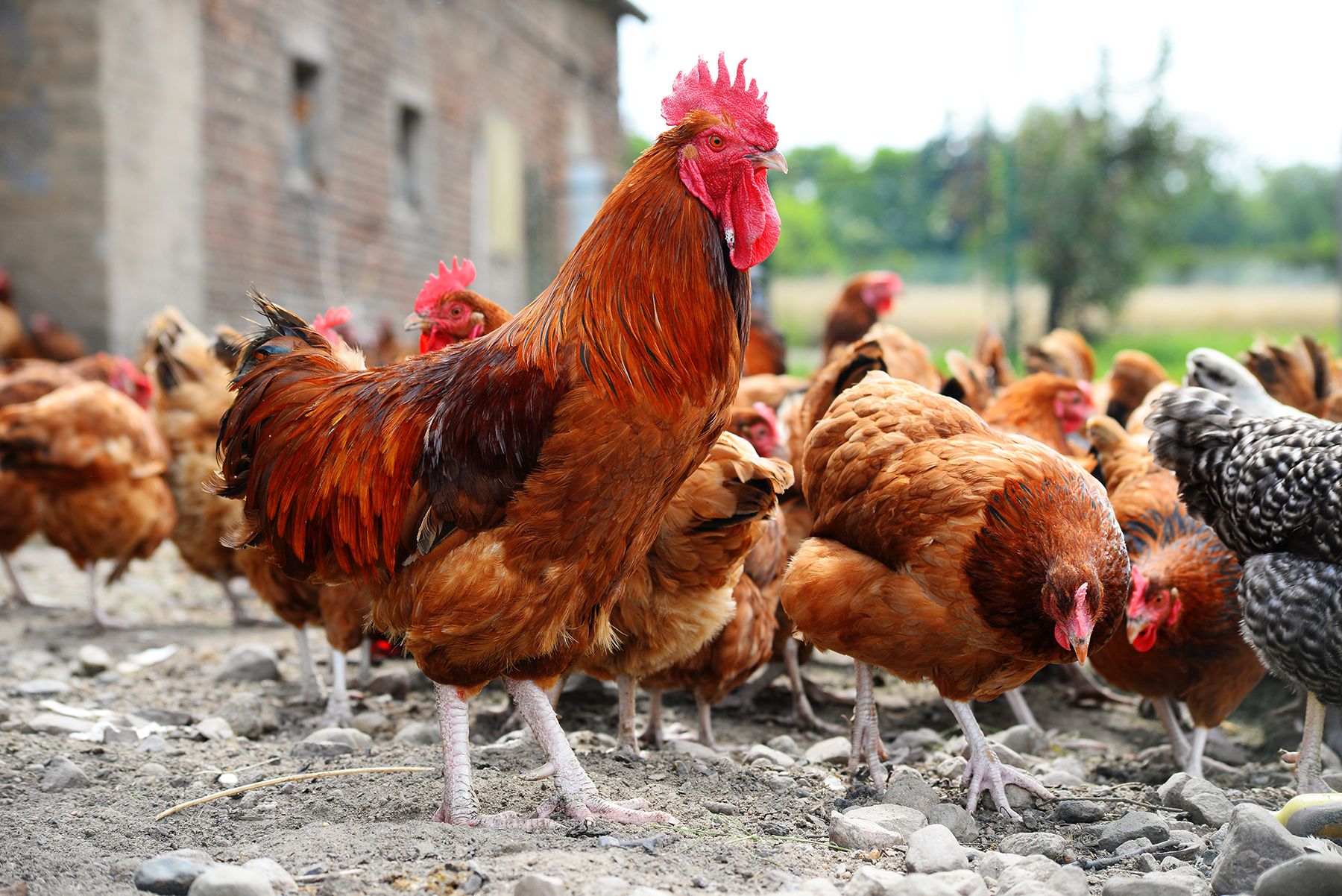
Choosing the right incubator model for your backyard flock
Hatching poultry eggs at home can turn a small backyard flock into a carefully managed breeding program. The right incubator helps maintain stable temperature, proper humidity, regular egg turning, and dependable airflow throughout the incubation cycle. The best model depends on your flock size, available space, preferred species, and how much hands-on care you want to provide.
A compact machine may be ideal for a few chicken eggs, while a larger cabinet incubator suits breeders working with chickens, ducks, geese, turkeys, quail, or pheasants. Capacity is only one consideration. Build quality, control accuracy, cleaning access, and replacement parts can have an equally significant effect on hatch results.
Start with your flock goals
Begin by deciding what you want the incubator to accomplish. If you are testing a new breeding pair or hatching a small number of eggs for personal use, a tabletop unit with room for 7 to 24 chicken eggs may be sufficient. These models are usually easy to place, operate, and store between hatchings.
A growing homestead may need a larger automatic egg incubator, especially if several hens are laying fertile eggs at the same time. Breeders should also consider whether they will run multiple hatches each season. Buying a little extra capacity can prevent overcrowding and allow eggs to be grouped according to species or expected hatch date.
Match capacity to the hatch plan
Advertised capacity often refers to standard chicken eggs. Duck, turkey, goose, and larger heritage chicken eggs require more space, while quail eggs allow many more eggs in the same cabinet. Check the tray configuration before purchasing, particularly if you plan to hatch mixed poultry breeds.
It is also wise to avoid filling an incubator to its absolute maximum for every cycle. Overcrowding can restrict airflow, make turning difficult, and complicate monitoring. A unit operating below its limit generally gives you more flexibility for egg placement and easier access during candling or hatching.
Compare common incubator designs
Different incubator styles suit different levels of involvement. Still-air models are often affordable, but they can develop warmer and cooler zones because air is not circulated by a fan. Forced-air incubators use a fan to distribute heat more evenly and are usually easier for beginners to manage consistently.
Automatic turning is another valuable feature. Manual turning can work when someone is home several times a day, but an automatic turner reduces missed rotations and limits unnecessary handling. Some units combine automatic turning, digital temperature control, humidity displays, and alarms in one system.
| Incubator model | Best suited for | Main advantages | Points to consider |
|---|---|---|---|
| Compact tabletop | Small backyard hatches | Affordable, portable, simple to store | Limited capacity and fewer advanced controls |
| Forced-air automatic | Regular family or homestead use | Even heat, automatic turning, easy monitoring | Higher purchase price and more components |
| Modular incubator | Mixed species and expanding flocks | Flexible trays, scalable capacity, adaptable setup | Requires careful tray selection |
| Cabinet incubator | Breeders and frequent hatches | Large capacity, strong insulation, efficient workflow | Takes more space and needs thorough cleaning |
| Specialty quail unit | Quail and other small eggs | High egg count and suitable turning system | May be less practical for larger poultry eggs |
Before choosing, look for a clear viewing window, washable interior surfaces, secure ventilation controls, and a design that allows eggs to be removed without disturbing the entire batch. A reliable warranty and accessible replacement parts can be especially important for a machine used over several seasons.
Prioritize stable temperature and humidity
Temperature accuracy is central to embryo development. Digital controls are convenient, but the displayed reading should not be accepted without verification. Use a separate calibrated thermometer or hygrometer at egg level, since the incubator sensor may not reflect conditions throughout the chamber.
Humidity requirements vary by species and by stage of incubation. Chicken eggs generally need moderate humidity during most of the process, followed by a higher level during the final hatch period. Duck and goose eggs may require different management, including additional ventilation or controlled moisture loss. A model with easy-fill water channels and visible humidity readings simplifies these adjustments.
Ventilation deserves equal attention. Developing embryos consume oxygen and release carbon dioxide, so air vents must remain functional even when humidity is being adjusted. An incubator that seals too tightly can create problems during the later stages of hatching.
Consider species, egg handling, and cleanliness
If your flock includes bantams, large heritage chickens, ducks, or turkeys, choose a model with interchangeable trays or adjustable dividers. Egg turning angles should be suitable for the species, and the hatching area should provide enough room for chicks to move safely after emergence. Quail eggs may need a specialized turning rack with narrower spacing.
Cleanability is essential because shell debris, moisture, and hatch residue can harbor bacteria. Removable trays, smooth plastic surfaces, and limited seams make sanitation easier. Clean and disinfect the unit between batches, then allow it to dry completely before adding new eggs. Store fertile eggs properly before incubation and avoid setting cracked or heavily soiled eggs.
Not every backyard flock needs an incubator immediately. If you want to expand without managing temperature and humidity, ordering healthy chicks can be a practical alternative. An incubator becomes more valuable when you want to preserve a particular bloodline, hatch from your own hens, or control the timing and quantity of new birds.
Make a practical purchase decision
A dependable incubator should fit your routine as well as your flock. Consider where it will operate, how often you can check it, whether power interruptions are common, and how much room you have for hatching chicks separately from the adult birds. A backup thermometer and a plan for short power failures are worthwhile additions.
Use these recommendations when comparing models:
- Choose forced-air circulation for more even heat and easier day-to-day management.
- Select capacity based on the largest eggs you plan to hatch, not only standard chicken eggs.
- Prefer automatic turning if your schedule makes frequent manual checks difficult.
- Verify temperature and humidity with independent instruments before setting valuable eggs.
- Choose washable parts, reliable ventilation, and available replacement components.
The best incubator model is the one that matches your real hatching schedule, species mix, and level of experience. Once the equipment is selected, practice running it empty for a full day, confirm its readings, and prepare a clean, stable location before setting fertile eggs. With careful preparation and healthy breeding stock, your backyard hatch can become a reliable part of flock management.