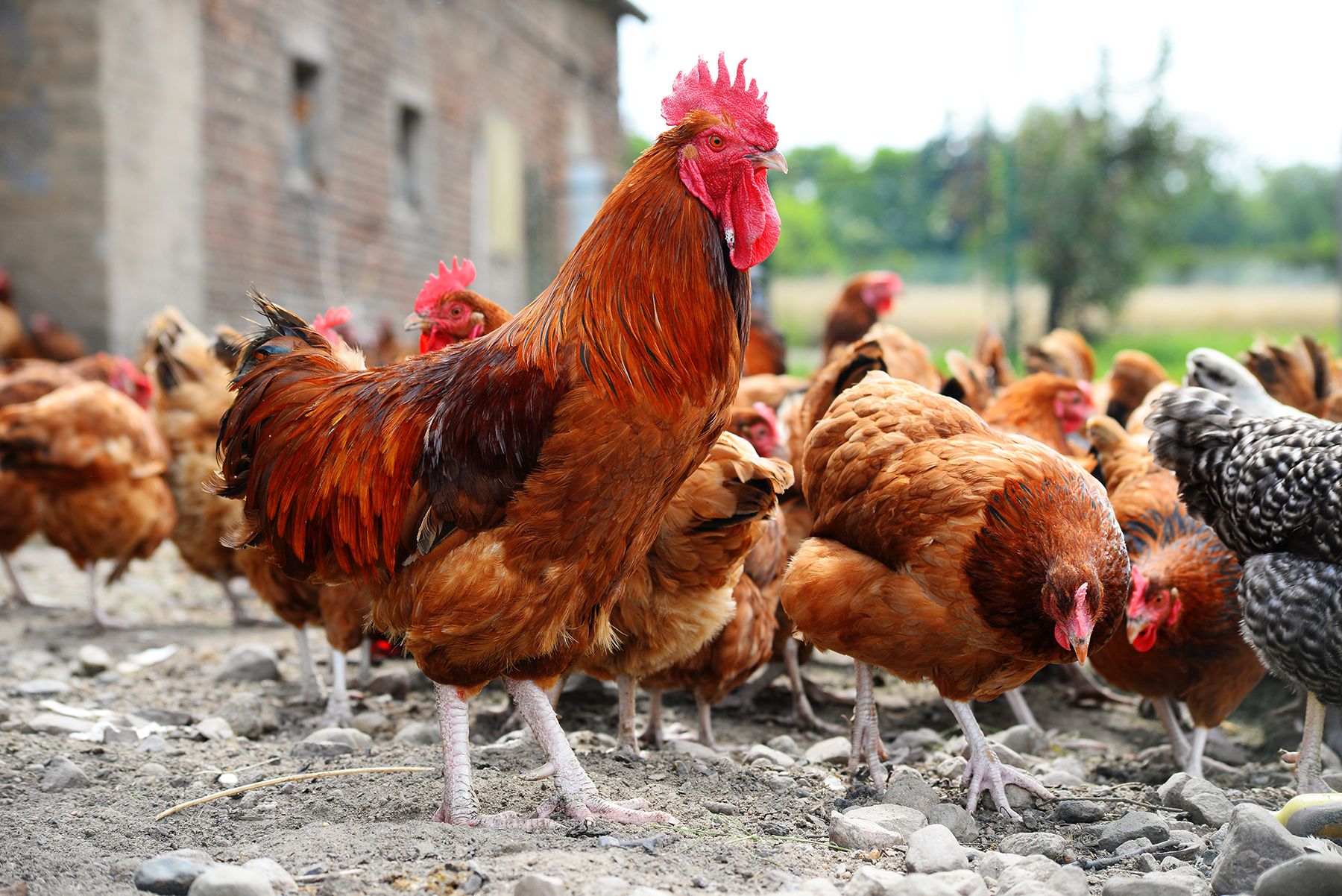
Building a Portable Chicken Tractor for Your Backyard
A chicken tractor is a movable, bottomless poultry shelter that gives birds access to grass, insects, and fresh air while protecting them from many common hazards. Unlike a fixed coop, it can be shifted around the yard so manure is distributed naturally and the flock does not wear down one patch of ground.
A well-designed backyard tractor should be light enough for one person to move, sturdy enough to resist wind and predators, and spacious enough for the number and type of birds you keep. Good planning matters more than elaborate construction: a simple frame with reliable hardware can serve a small flock for years.
The ideal design also depends on your birds’ age, breed, and climate. Chicks need extra warmth and finer mesh, while mature chickens require stronger ventilation and more room to perch, forage, and retreat from the weather.
Plan Around Your Flock
Start by estimating the tractor’s usable floor area rather than its outside dimensions. Allow at least 4 square feet per standard-sized bird when the structure is used regularly, and provide more space in hot climates or when birds will remain inside during poor weather. Bantams need less room, but crowded conditions can still lead to pecking and stress.
A-frame shelters are light and easy to drag, while rectangular designs offer more headroom and make better use of nesting boxes or raised perches. Keep the height practical for cleaning and handling birds. If you plan to raise large breeds, turkeys, or mixed poultry, build wider doors and stronger joints from the beginning.
Choose Materials That Balance Weight And Strength
Pressure-treated lumber can form a durable base, but it adds considerable weight. Exterior plywood provides useful wind protection, although it should be sealed against moisture. Welded wire mesh is generally stronger than ordinary chicken wire and is a better barrier against raccoons, dogs, and other predators.
| Component | Lightweight choice | More durable choice | Best use |
|---|---|---|---|
| Frame | PVC or thin timber | Galvanized steel or sturdy lumber | Small backyard tractors |
| Sides | Poultry netting | Welded wire mesh | Predator resistance |
| Roof | Tarp or corrugated plastic | Metal roofing panel | Rain and sun protection |
| Base rails | Smooth timber skids | Treated timber with handles | Frequent relocation |
| Fasteners | Exterior screws | Bolts, washers, and lock nuts | High-stress joints |
Use rounded or sanded edges wherever birds may brush against the structure. Cover exposed screw tips, tie down loose mesh, and avoid gaps larger than a predator’s head. A tractor that looks secure can still be vulnerable if the door, corners, or lower edges are weak.
Build A Secure, Movable Frame
Construct two strong side panels first, then join them with roof supports. A pair of wooden skids along the bottom makes the tractor easier to pull and prevents the frame from catching on uneven soil. Add a rope, central handle, or lightweight tow bar so the structure can be moved without lifting its full weight.
The lower 12 to 18 inches deserve special attention because this is where predators test the enclosure. Attach welded mesh firmly to the frame, and consider adding an outward-facing apron of wire around the perimeter. The apron lies flat on the ground and discourages animals from digging directly beside the walls.
Install a door large enough for comfortable access, even if the tractor is designed primarily for chickens. Strong hinges and a two-step latch are worthwhile; simple slide bolts may be opened by clever raccoons. Check that the door closes flush and cannot trap toes, wings, or feathers.
Create A Healthy Ground-Level Habitat
Leave the bottom open so birds can scratch through grass and soil, but provide a dry covered section where they can escape rain and intense sun. A partial roof is usually more practical than covering the entire tractor, because it allows sunlight and airflow while creating a dependable shelter zone.
Add a low perch if the structure is tall enough, along with a stable feeder and drinker that will not tip when the tractor moves. Hanging containers can reduce contamination from soil and droppings. Remove wet bedding, spoiled feed, and standing water promptly, since damp conditions encourage disease and attract flies.
Small poultry require more specialized protection than standard chickens. If your setup includes quail, review guidance on quail housing and care before placing them in a mobile enclosure, as they can squeeze through surprisingly narrow openings and may injure themselves in tall structures.
Adapt The Tractor To Local Weather
In hot weather, position the covered side toward the strongest afternoon sun and use mesh on at least two sides for cross-ventilation. Never rely on a solid tarp wrapped around the entire shelter, as trapped heat can become dangerous quickly. A removable shade cloth offers better control than permanent enclosure panels.
Cold and wet weather call for a windbreak without eliminating airflow. Secure the roof against heavy rain, raise feed off the ground, and inspect the shelter after storms. In freezing conditions, provide an appropriate stationary coop if the tractor cannot protect birds from wind chill and prolonged moisture.
If you keep ducks or geese, expect more water, mud, and weight than a chicken tractor typically handles. The selection of waterfowl breeds can help you choose birds suited to your available space, while a separate water area may prevent the mobile shelter from becoming saturated.
Move It Safely And Maintain It
Move the tractor once birds have grazed an area sufficiently but before the soil becomes bare and compacted. In productive grass, this may mean daily movement; in a smaller yard, shifting it every few days may be enough. Watch the ground for excessive manure buildup, muddy patches, and signs that birds are running out of forage.
Before moving, secure feeders, remove loose equipment, and guide the flock away from the direction of travel. Lift slightly at the front or pull slowly by the handle, keeping the frame level. Inspect the wheels, skids, mesh, and latches every week, tightening hardware before small problems become escapes or injuries.
Practical Checks Before Adding Birds
- Confirm that every opening is smaller than the head of the smallest bird.
- Test the door latch from inside and outside the enclosure.
- Check the tractor for sharp wire, splintered wood, and exposed fasteners.
- Provide shade, clean water, and a dry resting area throughout the day.
- Move the shelter before forage is exhausted or the soil becomes muddy.
A portable poultry shelter works best when it matches your flock, landscape, and daily routine. Build the frame for easy handling, protect the vulnerable lower edges, and monitor bird behavior during the first week. When you are ready to stock the tractor, choose healthy poultry or hatching eggs from Premium Poultry Breeds and give your backyard flock a secure, well-managed place to thrive.