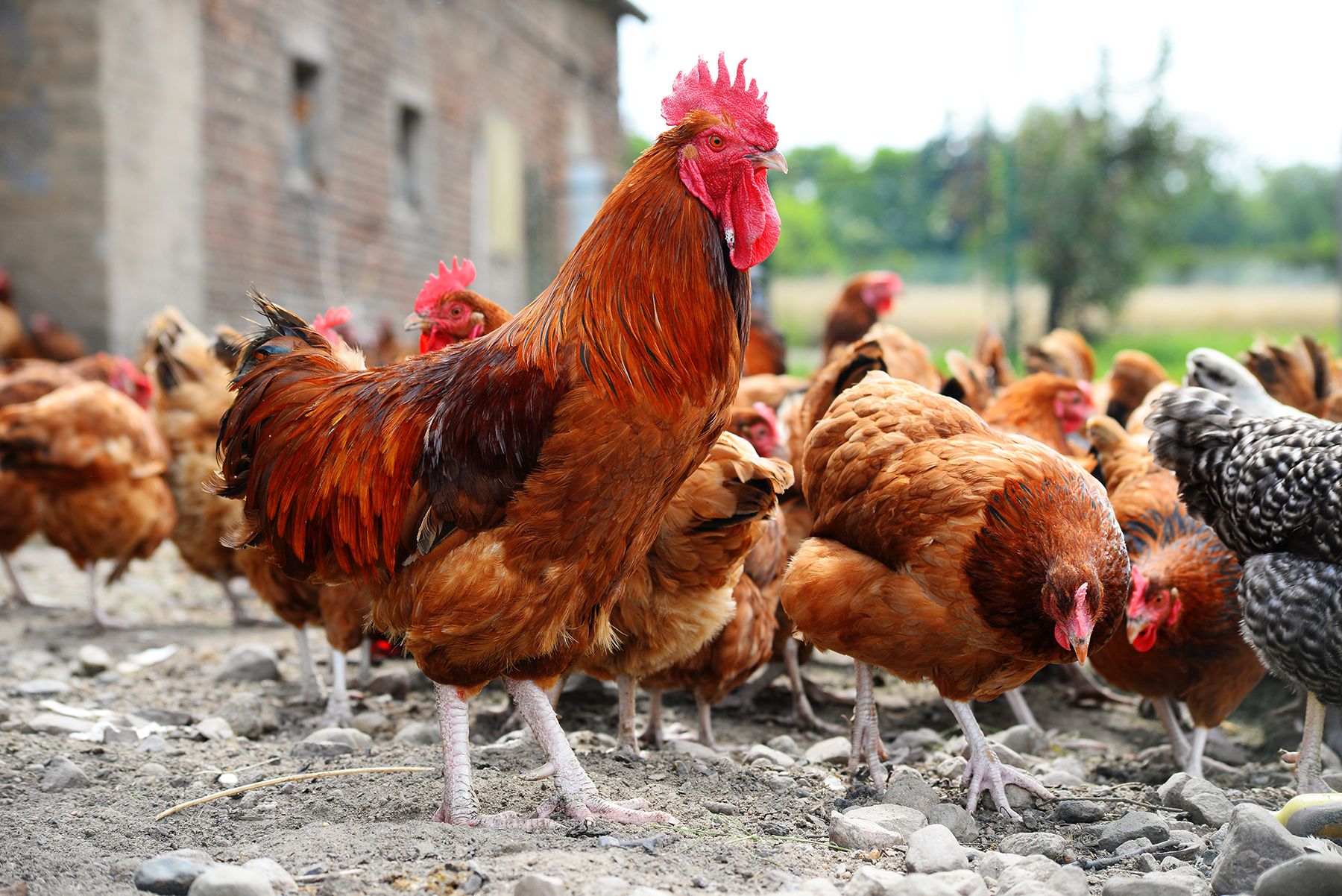
Building a dust bath station for healthy feathers
A well-designed dust bathing area gives poultry a natural way to maintain clean, comfortable plumage. Chickens, bantams, quail, turkeys, pheasants, and other ground-foraging birds roll in dry material to remove excess oil, loosen debris, and discourage external parasites.
The best station is simple, sheltered, and easy to refresh. It should offer enough room for birds to flap and turn without crowding, while keeping the dust dry through changing weather. A thoughtful setup can support feather quality and reduce mess around the coop or run.
Birds from different breeds may have different space requirements. Heavy heritage chickens need a sturdier, roomier station than a small quail group, while ornamental breeds with abundant feathering benefit from consistent access to clean bathing material.
Choose a dry, sheltered location
Place the bath beneath a covered section of the run, inside a well-ventilated poultry shelter, or under a roofed lean-to. Direct rain quickly turns loose dust into mud, and damp material can harbor unpleasant odors and microorganisms. Good airflow matters, but the station should not sit where strong drafts blow bedding and dust through the entire enclosure.
Choose firm, level ground away from drinkers and feeders. Water spills can ruin the mixture and create a muddy patch that birds avoid. If the run is exposed to wet soil, set the station on pavers, treated boards, compacted gravel, or another stable base.
A shaded location is helpful in warm climates, especially for dark-feathered birds and enclosed runs. Avoid placing the bath beside a busy doorway or narrow passage, where birds may be startled while using it.
Select safe materials for feather care
A basic dust bath can contain dry, sifted soil or fine sand. Soil provides natural texture, while sand helps the mixture drain and remain loose. Play sand or washed construction sand is generally preferable to dusty industrial materials, sharp masonry fragments, or sand collected from areas contaminated by chemicals.
Small amounts of plain wood ash can be included if the ash comes from untreated, unpainted wood. It should be completely cool, dry, and free from charcoal pieces, nails, lighter fluid, or household waste. Ash can make the mixture more alkaline, so use it sparingly rather than filling the station with ash alone.
Diatomaceous earth is sometimes added to poultry dust baths, but it should never be treated as a cure for an active parasite infestation. Fine airborne particles can irritate eyes and respiratory systems. If used, choose a food-grade product, add only a small quantity, and avoid creating clouds of dust around birds or handlers.
Match the station to your flock
The container should be wide enough for the largest bird in the group to sit, roll, and shake its wings. A shallow wooden frame, a repurposed plastic mixing tray, a child-sized sandbox, or a low galvanized tub can work well when it has no sharp edges or peeling coatings.
| Poultry group | Suitable depth | Practical space guidance | Useful design feature |
|---|---|---|---|
| Quail and bantams | 5–8 cm | Compact tray for several birds | Low entry edge |
| Standard chickens | 8–12 cm | Broad area for rolling and wing flapping | Covered frame |
| Large chickens and turkeys | 10–15 cm | Extra width and strong sides | Reinforced base |
| Ducks and geese | 8–12 cm | Dry section separate from wet areas | Excellent drainage |
| Pheasants and peafowl | 8–12 cm | Quiet, spacious location | Secure roof or mesh |
For mixed flocks, size the bath for the largest occupants and provide more than one station when timid birds are being displaced. Quail may prefer a smaller, enclosed tray, while turkeys and peafowl need sturdier construction and additional floor space.
Build a simple dust bath frame
A wooden frame can be made from untreated lumber with four low sides and a solid base. Sand the edges carefully, avoid exposed screws, and raise the frame slightly if the ground becomes wet. A removable lid or hinged roof keeps rain, leaves, and droppings out when the bath is not in use.
For a fast setup, place a deep plastic tray beneath a roof and add a drainage layer underneath if needed. The container must be stable enough that large birds cannot tip it. Do not use containers that previously held paint, pesticides, solvents, or other hazardous products.
If rodents are a concern, inspect the station frequently and remove spilled feed from the surrounding area. A bath itself is not a substitute for secure feed storage, predator protection, or routine coop sanitation.
Maintain clean and usable dust
Check the material every few days. Remove droppings, wet clumps, feathers, and compacted patches, then loosen the remaining mixture with a small rake or hand tool. Replace the contents when the bath smells sour, stays damp, or becomes heavily contaminated.
Keep the dust level consistent so birds can dig and roll without scraping against the bottom. During extended rain, move a portable station indoors or cover it securely. In freezing weather, break up hardened sections and refill with dry material rather than allowing birds to bathe in icy clumps.
Regular observation is part of good flock management. Persistent feather loss, scabs, crusting, pale combs, restlessness, or heavy scratching may indicate mites, lice, skin disease, poor nutrition, or another health issue. Review poultry care guidance alongside advice from a qualified poultry veterinarian when symptoms continue.
Encourage natural bathing behavior
Birds often discover a new dust bath quickly, especially when it resembles the dry soil they already choose for rolling. If they ignore it, scatter a few dry leaves or loosen the top layer to make the surface inviting. Avoid adding food, strong fragrances, or damp bedding, as these can attract pests and make the area unpleasant.
Young chicks should have access to clean, dry surroundings before being offered a deeper dust bath. Very fine particles can be irritating in poorly ventilated brooders, so introduce bathing material gradually and monitor breathing, eyes, and activity. Keep the station separate from areas used for brooding and feeding.
Helpful setup and care practices include:
- Provide a dry, shaded roof with good ventilation.
- Use clean soil, washed sand, and only limited plain wood ash.
- Remove wet or soiled material before it becomes compacted.
- Size the station for the largest bird using it.
- Check birds regularly for signs of parasites or skin irritation.
A reliable dust bathing area is a small investment that supports cleaner plumage, natural behavior, and a more comfortable flock. Prepare the station before adding new chicks, mature birds, or heritage breeds, and keep fresh materials available throughout the year. Explore healthy poultry options and build a care routine that helps every bird thrive from arrival onward.