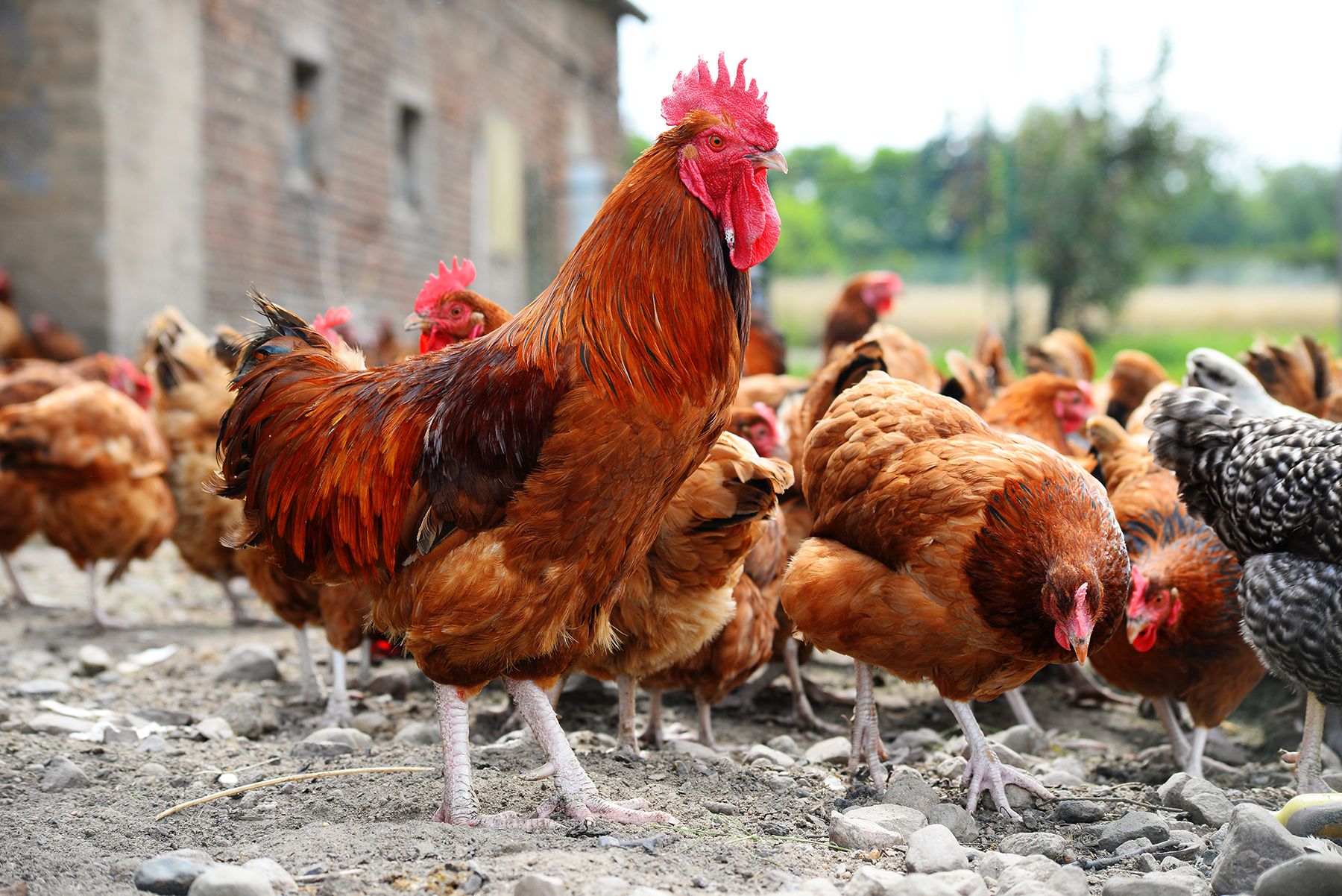
Broody hen management for healthier hatching and flock harmony
A broody hen can be a valuable natural incubator, but her determination to sit on eggs may also create problems. She may stop laying, lose condition, become defensive, or occupy a nest needed by other birds. Understanding her behavior helps keep both the hen and the rest of the flock healthy.
Broodiness is driven by hormones rather than simple willingness to hatch chicks. Some heritage breeds and bantams show this instinct frequently, while many commercial laying strains rarely become broody. Whether you want to encourage or stop the behavior, timing, nutrition, and housing all matter.
Recognizing a broody hen
A broody hen usually spends most of the day in the nest, puffing her feathers and making a low, irritated growl when approached. She may peck at a hand, flatten herself over the eggs, and leave the nest only briefly to eat, drink, dust-bathe, and relieve herself.
Broodiness can be mistaken for illness, especially when a hen appears quiet or spends less time foraging. Check her crop, weight, droppings, breathing, and comb color. If she shows nasal discharge, coughing, lethargy, or other concerning signs, review guidance on respiratory illness in young chickens and seek veterinary advice when needed.
Deciding whether to encourage the instinct
Encourage brooding only when the hen is healthy, old enough to care for chicks, and suited to the job. A hen that is underweight, heavily infested with mites, or recovering from disease should be restored to good condition first. A reliable broody hen can hatch and raise chicks with less equipment, though she still needs clean housing and protection from predators.
Use fertile eggs from healthy, compatible birds. Avoid placing too many eggs beneath a small bantam, since uncovered eggs may become chilled. Mark the selected eggs with a pencil and remove newly laid eggs each day so the clutch remains synchronized. Hatching eggs should be clean, properly stored, and handled gently.
Creating a safe brooding space
A broody hen does best in a quiet, dry pen separated from active flock members. The enclosure should protect her from rain, drafts, rodents, and predators while allowing easy access to fresh water and feed. A low-sided nest with clean bedding reduces the risk of eggs rolling away or chicks becoming trapped.
Place feed and water close enough that she can reach them during short breaks, but not so close that bedding constantly becomes wet. Check the nest daily for broken eggs, excessive moisture, parasites, and intruders. Keep handling calm and brief, since repeated disturbance may cause a nervous hen to abandon the clutch.
| Management goal | Best approach | Main caution |
|---|---|---|
| Encourage a healthy hen | Provide fertile eggs, a private nest, and steady nutrition | Do not use an underweight or sick bird |
| Protect developing eggs | Keep bedding dry and limit disturbance | Remove cracked or contaminated eggs |
| Raise chicks naturally | Offer a secure brooding pen and chick starter | Watch for cold, dampness, and predators |
| Stop unwanted broodiness | Remove nesting access and use a well-ventilated broody-breaker | Avoid chilling or stressing the hen |
| Restore laying condition | Provide balanced feed, water, and parasite control | Production may take time to return |
Supporting the hen through incubation
A broody hen may eat less than usual, so provide a nutrient-dense layer ration or suitable all-flock feed along with constant clean water. Avoid relying on scratch grains alone, because a high-energy but poorly balanced diet can contribute to weight loss and weak condition. Monitor her body weight by feeling the breast muscle every few days.
If she is hatching chicks, prepare chick starter before hatch day. Once chicks arrive, make sure they can reach feed and water without being bullied or trapped. A broody hen supplies warmth and guidance, but she cannot replace secure fencing, predator control, or regular observation.
Breaking unwanted broodiness safely
If hatching is not planned, remove the hen from the nest several times a day and collect eggs frequently. Blocking access to favored nesting boxes after the flock has laid can help, but provide a comfortable alternative area rather than leaving her exposed. A broody-breaker is often more effective: use a small, secure pen with a wire or slatted floor that allows airflow beneath her body and removes the dark, nest-like environment.
The pen must include shade, protection from wind and rain, food, and water. Never dunk a hen in cold water, place her in an unheated area during cold weather, or use methods that cause fear or injury. Check her condition daily. Many hens return to normal within several days, while persistent individuals may need a longer period away from nesting material.
Preventing repeated problems in the flock
Breed selection influences future management. Silkies, Cochins, Orpingtons, and many bantams are commonly inclined to brood, while some hybrid layers have been selected for consistent egg production instead. When purchasing live poultry or hatching eggs, consider whether the breed’s natural maternal behavior matches your goals.
Good flock management also reduces conflict. Provide several clean nest boxes, enough feeder and waterer space, and separate sick or injured birds promptly. Quarantine new arrivals and maintain parasite control, since a broody hen spending long periods in one nest can be especially vulnerable to mites and lice.
Practical steps for daily care
Use these habits to make broody hen management safer and more predictable:
- Check the hen’s weight, crop, droppings, and general alertness each day.
- Keep fertile eggs, bedding, feed, and chick equipment ready before setting her.
- Separate a broody hen from flock traffic when other birds disturb her nest.
- Collect eggs frequently when you want to discourage nesting behavior.
- Reintroduce a broody-breaker hen only after she has resumed normal activity and eating.
Healthy stock begins with careful observation and appropriate housing. Whether your goal is a naturally raised clutch or a return to steady egg production, patient handling protects the bird and improves results.
Choose well-conditioned poultry and dependable hatching stock from Premium Poultry Breeds to support a stronger, better-managed flock. Explore suitable breeds, live birds, and hatching eggs for your homestead or breeding program today.