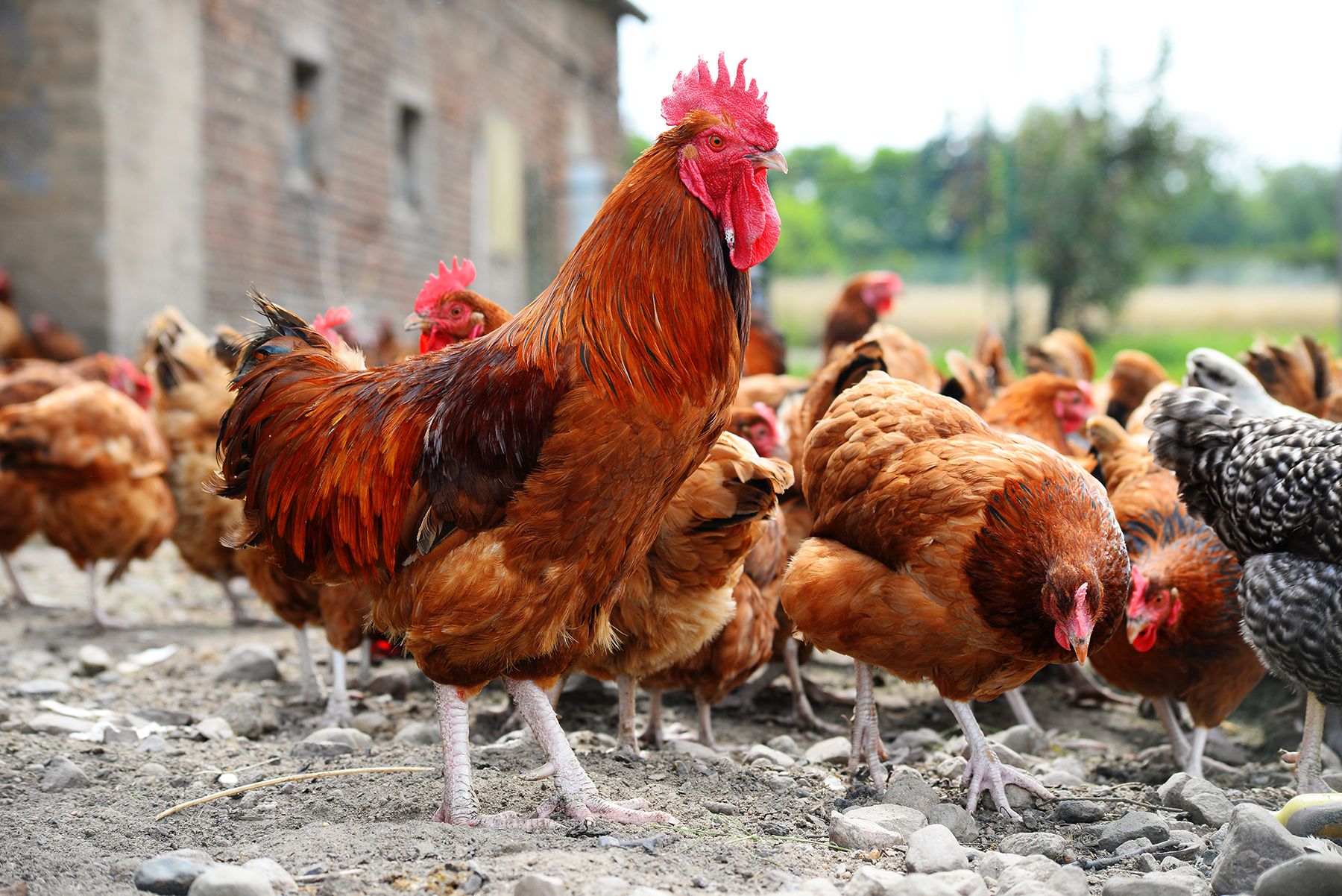
Black Copper Marans: caring for a chocolate egg layer
Black Copper Marans are prized for their deep brown eggs, calm presence, and attractive copper-and-black plumage. Originally developed in France, this heritage chicken combines ornamental appeal with dependable backyard production, making it a strong choice for homesteads, small farms, and breeding programs.
The famous egg color is the breed’s defining feature, but successful care involves more than choosing birds with dark shells. Housing, nutrition, stress levels, age, and genetics all influence laying performance and shell shade. With consistent management, Marans hens can become productive and personable members of a mixed flock.
Whether you plan to raise chicks, maintain a breeding trio, or add hatching eggs to an established line, begin with healthy stock from a responsible poultry source. Good breeding records and careful handling provide a stronger foundation for the traits this breed is known for.
Understanding the breed
Black Copper Marans are generally medium-to-large chickens with black feathers highlighted by copper hackles and saddle feathers. Roosters display the strongest coloring, while hens often have subtler copper accents. Feathered or lightly feathered legs may occur depending on the line, and accepted appearance can vary between breeding standards.
These birds are usually steady and observant rather than excessively flighty. Individual temperament depends on handling and bloodline, but many Marans adapt well to family flocks. Their size and moderate activity level make secure fencing important, especially when they share space with smaller bantams or young poultry.
What makes the eggs special
A high-quality Black Copper Marans egg may range from rich mahogany to warm chocolate brown, sometimes with a glossy bloom or speckled surface. Color is typically strongest early in a hen’s laying cycle and may fade as the season progresses or as the oviduct has less time to deposit pigment.
Egg shade is influenced by genetics, age, health, daylight, and stress. A dark-egg mating does not guarantee that every daughter will produce the same color, so breeders should evaluate several laying cycles and keep records. Shell color alone should not replace attention to body structure, fertility, hatchability, and temperament.
Housing and flock comfort
Provide a dry, well-ventilated coop with protection from drafts, damp bedding, predators, and overcrowding. Allow sufficient perch space and offer nest boxes in quiet, shaded areas. One nest box for every three or four hens is a practical starting point, though extra boxes can reduce competition during peak laying periods.
A covered run gives Marans room to scratch, dust bathe, and forage while limiting exposure to predators. Deep litter can work well when kept dry and turned regularly. Inspect feathered legs for mud, mites, and compacted bedding, particularly during wet weather.
If birds are arriving from another location, prepare the brooder or coop before delivery and review live poultry shipping guidance so the transition is calm and organized.
Feeding for health and shell quality
A complete layer ration should form the basis of an adult hen’s diet. It supplies balanced protein, energy, vitamins, and minerals without relying on excessive scratch grain or table scraps. Provide oyster shell separately so laying hens can regulate their calcium intake, and keep clean water available at all times.
Growing chicks need a properly formulated chick starter, while pullets should move to an appropriate grower feed until they approach laying age. Avoid feeding layer ration to young birds because its calcium level may be unsuitable for developing chicks. During molt, a quality diet and reduced handling help the hen rebuild feathers and resume laying naturally.
| Care factor | Practical approach | Why it matters |
|---|---|---|
| Protein | Use age-appropriate complete feed | Supports growth, feathers, and egg production |
| Calcium | Offer oyster shell separately to layers | Helps maintain strong shells |
| Water | Keep clean water available daily | Prevents production drops and dehydration |
| Housing | Provide dry bedding and ventilation | Reduces respiratory and foot problems |
| Stress | Limit crowding and sudden changes | Helps preserve laying consistency |
Managing laying and breeding
Black Copper Marans are not usually the highest-volume layers, but their eggs are prized for quality and appearance. Many hens begin laying between five and eight months, depending on daylight, nutrition, genetics, and individual development. Production commonly slows during molt, winter, illness, or prolonged stress.
For hatching eggs, select mature, healthy parents with sound legs, good body condition, desirable copper patterning, and reliable fertility. Collect eggs frequently, store them pointed end down in a cool room, and avoid washing them before incubation. Excessively dirty, cracked, or unusually shaped eggs are poor candidates for hatching.
Keeping birds healthy
Observe the flock every day for changes in appetite, posture, droppings, breathing, walking, or social behavior. Early signs of illness can be subtle, and prompt isolation helps protect the rest of the birds. Quarantine new poultry before introducing it to established residents, even when the newcomers appear healthy.
Maintain a parasite-control routine based on regular inspection rather than unnecessary treatment. Check vents, skin, and feather shafts for mites or lice, and examine feet for scaly-leg issues. Clean feeders and drinkers frequently, remove spoiled feed, and consult an avian veterinarian when symptoms persist or several birds become ill.
Daily care priorities
A simple routine keeps the flock comfortable and makes problems easier to spot:
- Refresh drinking water and remove algae, bedding, or droppings from containers.
- Check that feed is dry, fresh, and appropriate for each age group.
- Collect eggs at least once daily and inspect shells for cracks or unusual texture.
- Observe movement, breathing, appetite, and flock behavior.
- Secure doors, fencing, and predator barriers before dusk.
Record laying dates, egg color, molt periods, health treatments, and breeding results. These notes are especially valuable when raising hatching eggs or comparing offspring from different parent birds. Over time, records reveal which hens consistently produce the darkest shells without sacrificing vigor.
A well-managed Black Copper Marans flock rewards patience. Provide dependable nutrition, clean shelter, thoughtful breeding choices, and calm daily handling, then explore healthy birds or hatching eggs from Premium Poultry Breeds to begin building your own chocolate-egg line.