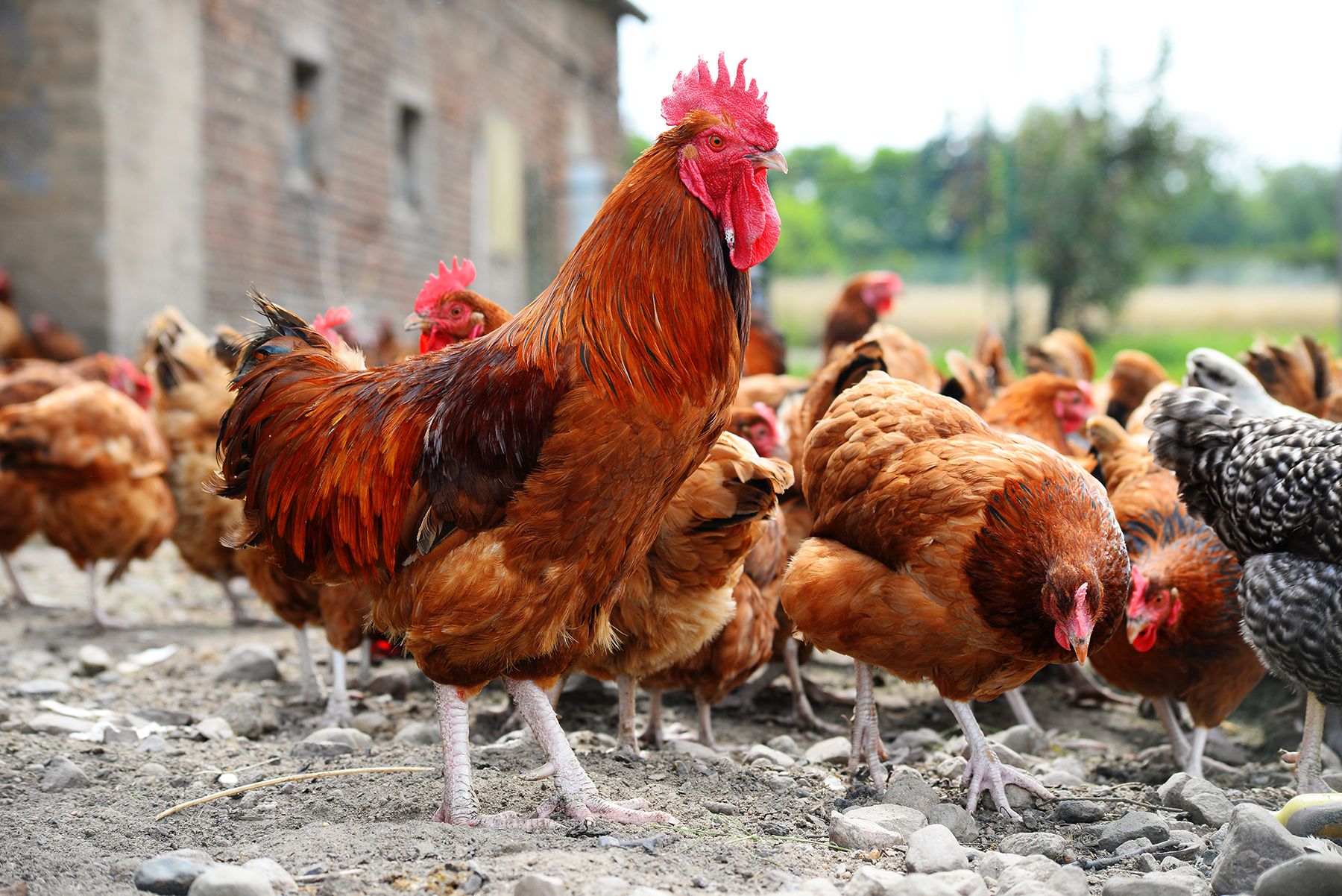
Winter-Laying Breeds That Perform Without Supplemental Light
When daylight hours shorten, many hens reduce production, even when they are healthy and well fed. The best winter layers are breeds with a dependable laying history, calm temperaments, and the body size to maintain condition through cool weather. They will not produce at summer levels indefinitely, but suitable genetics can keep fresh eggs in the nesting box without artificial lighting.
For Australian keepers, breed selection should match both the climate and the purpose of the flock. A homestead in Tasmania has different winter conditions from a backyard in Brisbane, while a small breeder near the NSW tablelands may prioritise hardiness and fertility over maximum egg numbers. The following breeds offer a practical starting point for natural winter production.
| Breed | Typical laying pattern | Cold tolerance | Best suited to |
|---|---|---|---|
| Australorp | Strong, steady brown-egg production | Very good | Homesteads and family flocks |
| Rhode Island Red | Reliable layers with good persistence | Very good | Utility breeding and free ranging |
| Plymouth Rock | Consistent medium-to-large brown eggs | Good | Mixed-purpose backyard flocks |
| Sussex | Productive, active, and adaptable | Good | Foraging systems and small farms |
| Wyandotte | Moderate winter laying with excellent hardiness | Excellent | Cold districts and dual-purpose flocks |
| Orpington | Moderate output, especially when well conditioned | Very good | Quiet heritage flocks |
What makes a good winter layer
Natural winter laying depends on more than breed name. Hens respond to decreasing daylight, and production commonly slows once days become short. Pullets that reach laying age before winter may continue more reliably than older hens entering a heavy moult. Individual family lines also matter, so records from the breeder can be as useful as the breed label.
Look for birds with a broad, healthy body, bright eyes, smooth feathering, and a history of sound egg production. Australorps and Rhode Island Reds are often selected for utility performance, while Sussex and Plymouth Rocks offer a balanced combination of eggs, foraging ability, and temperament. Heavy breeds such as Wyandottes and Orpingtons may lay fewer eggs than a specialist hybrid, but they often maintain body condition well during cold spells.
Breeds worth considering
Australorps are one of the most practical choices for Australian keepers. They were developed locally from Black Orpington stock and are well adapted to varied conditions. A good Australorp hen can remain productive through winter, especially when she has shelter from wind, dry litter, and a high-quality layer ration. Their quiet nature also makes them suitable for suburban backyards.
Rhode Island Reds are robust, active, and known for persistent laying. They generally cope well with cooler districts and can make excellent free-range birds when fencing is adequate. Plymouth Rocks bring a calm temperament and dependable brown eggs, while Sussex hens are useful foragers that suit a homestead system where birds supplement their ration with pasture insects and greenery.
Feeding and housing for steady production
A hen cannot maintain egg production if she is using too much energy to stay warm. Offer a complete layer feed with adequate protein, clean water, and free-choice calcium such as shell grit. During winter, avoid filling the flock with too many low-nutrient scraps. Kitchen leftovers can be a treat, but they should not displace a balanced ration.
Ventilation is important even in cold weather. The coop should be dry and free from direct draughts at perch height, with enough roof ventilation to release moisture and ammonia. Damp litter chills birds and encourages respiratory problems. In frosty areas around Ballarat, Canberra, or the southern tablelands, a thick dry bedding pack and protected roosting area can make a noticeable difference without resorting to supplemental light.
Managing an Australian winter flock
Australian winters vary sharply by region. In Queensland, the main concern may be maintaining water quality and managing sudden cold nights rather than prolonged freezing conditions. In Victoria and Tasmania, shorter days, wet weather, and cold winds can suppress laying more noticeably. Coastal New South Wales often offers milder conditions, but persistent rain still calls for a covered run and dry resting areas.
Free-range birds need protection from mud, predators, and seasonal feed shortages. Rotate grazing areas where possible, and provide shade as well as shelter because a flock prepared for winter must also cope with warmer spring days arriving quickly. Check combs, feet, and body condition weekly; pale combs, weight loss, or persistent lethargy may indicate illness rather than a normal seasonal slowdown.
Setting realistic egg expectations
Even strong winter layers will not behave like commercial hybrids under a long artificial day. A hen may move from near-daily laying to several eggs per week, pause during a moult, or produce less during an unusually cold or wet period. This natural rhythm can be valuable for keepers who want a sustainable flock rather than maximum output at every stage of the year.
Heritage breeds also bring benefits beyond the egg basket. Australorps, Sussex, Wyandottes, Plymouth Rocks, and Orpingtons can provide attractive breeding stock, useful meat birds, broody individuals, and calm companions. Compare age, strain, vaccination history, and transport arrangements when purchasing rather than choosing solely by advertised colour or breed popularity. For a clearer picture of the people and standards behind a poultry supplier, explore the team behind the birds.
Select birds from healthy parent stock, settle new arrivals gradually, and quarantine them before mixing with an established flock. Keep simple records of laying rate, moulting, feed use, and temperament. Even a notebook kept in the shed can reveal which hens are genuinely dependable through winter. For readers who appreciate a tidy online experience while researching poultry purchases, the dark mode interface offers an example of how presentation can make browsing more comfortable.
Start with a small, well-matched group of proven winter-capable breeds, then build around the conditions on your property. Browse healthy chicks, mature birds, and hatching eggs from Premium Poultry Breeds to find stock suited to your Australian homestead, breeding program, or backyard flock.