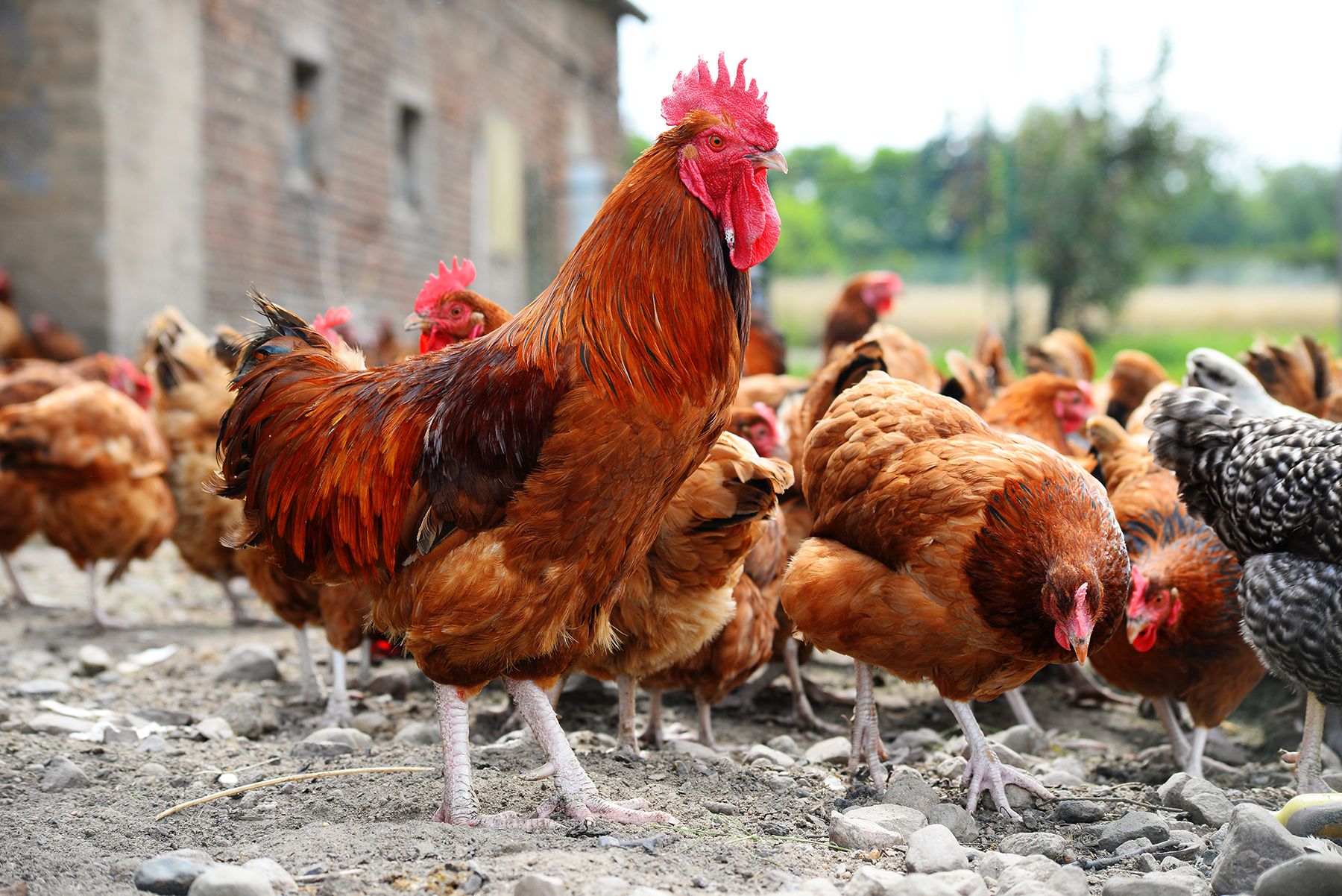
A practical guide to crossbreeding chickens for hybrid vigour
Crossbreeding chickens can combine useful traits from two distinct lines, such as the hardiness of a heritage breed with the laying performance of a productive strain. When the parent birds are carefully chosen, their offspring may show hybrid vigor: stronger growth, better fertility, improved livability, or more consistent egg production than either parent line.
For Australian keepers, a sensible breeding plan also needs to account for climate, council rules, predator pressure, and biosecurity. A cross that performs well in a cool Victorian yard may struggle through a humid Queensland summer, so local conditions should guide every decision from parent selection to chick housing.
| Breeding approach | Likely benefit | Main consideration | Suitable use |
|---|---|---|---|
| Heritage hen × productive rooster | Hardy, useful backyard offspring | Results can vary between chicks | Homesteads and mixed flocks |
| Dual-purpose breed × layer strain | Balanced meat and egg traits | May not excel at either extreme | Small farms |
| Large breed × bantam | Smaller utility birds and distinctive types | Hatch size and fertility need monitoring | Hobby breeding |
| Two established hybrid lines | Strong production potential | Offspring may not breed true | Egg-focused flocks |
| Same breed, unrelated lines | Predictable type and temperament | Less hybrid advantage | Exhibition or preservation |
What hybrid vigour means in poultry
Hybrid vigor, also called heterosis, occurs when offspring inherit a wider combination of genes from unrelated parents. Recessive weaknesses are less likely to pair together, while useful traits from both lines may complement each other. The result is not guaranteed, but well-selected crosses can be vigorous, fertile, active, and resilient.
A crossbred pullet might mature earlier than a heritage counterpart, while a mixed-breed cockerel may show better growth than either parent line. However, hybrid vigor is different from simply breeding a large bird to a small bird. Size, body shape, temperament, feathering, egg colour, and production records all need consideration.
Crossbred offspring are often excellent utility birds, but they may not reproduce their parents’ qualities consistently. If a particular result matters, keep detailed records and repeat the same parent combination rather than breeding crossbred offspring randomly.
Choosing complementary parent breeds
Start by listing the traits you genuinely need. A keeper in inland New South Wales may value heat tolerance, foraging ability, and strong shells, while a small flock in Tasmania may place greater emphasis on winter laying and cold-weather hardiness. Look for a clear strength in each parent rather than choosing birds simply because their colours look attractive together.
Australorps, Plymouth Rocks, Sussex, Wyandottes, Rhode Island Reds, Leghorns, and selected bantams can all contribute useful qualities, depending on the breeding goal. A calm, healthy hen with a reliable laying record is usually more valuable than a fashionable bird with unknown history. The rooster should have sound legs, a good body, a manageable temperament, and no obvious hereditary defects.
Avoid pairing the same structural weakness from both sides. For example, birds with poor leg alignment, narrow bodies, chronic respiratory issues, or aggressive behaviour should not be used to create a breeding line. Healthy stock, careful handling, and reliable records provide a stronger foundation than any colour combination.
Planning the mating pen
Keep the parent group separate for several weeks before collecting fertile eggs. Hens can retain sperm after a rooster is removed, so a short waiting period helps establish parentage. Use a clearly marked breeding pen and record the breed, bird identification, mating dates, egg collection dates, and hatch results.
A practical breeding group might contain one rooster with several compatible hens, although the correct ratio depends on breed size, age, fertility, and temperament. Check birds daily for feather damage, over-mating, bullying, or injuries. Mixed poultry housing requires extra care because ducks and chickens have different mating behaviour; these duck mating guidance considerations are useful when several species share a run.
Australian conditions make pen design particularly important. In Brisbane or coastal Queensland, provide deep shade, airflow, and plentiful clean water during hot, humid weather. In Western Australia, new birds may be subject to movement controls or quarantine expectations, while rural Victorian and New South Wales keepers should maintain strict separation from wild birds and neighbouring flocks.
Incubating and raising crossbred chicks
Collect clean, well-shaped eggs from healthy hens and avoid washing them unless necessary, as washing can remove protective surface oils. Store eggs in a cool, stable environment for only a limited period before incubation. Marking each egg with a pencil can help identify mating groups without damaging the shell.
Incubation temperature, humidity, ventilation, and turning all affect hatch rate. Follow the instructions for the specific incubator and monitor development through candling. A poor hatch does not always indicate a bad cross; fertility, storage conditions, rooster age, temperature fluctuations, and incubation technique can all be responsible.
Once hatched, chicks need a dry brooder, steady warmth, clean bedding, chick starter, and fresh water. Watch for uneven growth, weak legs, pasty vents, or reluctance to eat. In Australia, summer brooders can overheat quickly, while winter nights in high-country or southern regions may require extra insulation. Reduce heat gradually as chicks feather up, but avoid sudden temperature changes.
Evaluating results and refining the line
Assess young birds over time rather than judging them at hatch. Record growth, feather quality, temperament, egg age at first lay, egg size, shell strength, broodiness, fertility, and survival through seasonal changes. A cross that lays heavily for a few months but struggles in the Australian summer may be less useful than a slightly slower bird with dependable year-round performance.
Keep the best birds for the next generation and place unsuitable birds into ordinary backyard roles. Selection should be based on several traits, not one impressive feature. A large pullet with poor feet, a nervous rooster, or a hen with fragile shells may pass unwanted weaknesses to future offspring.
Be realistic about genetic outcomes. The first cross may be uniform and productive, while later generations can separate into a wide range of sizes, colours, and behaviours. Commercial sex-linked and production hybrids are often difficult to reproduce accurately at home, so buy proven breeding stock or hatching eggs when consistency matters.
For Australian homesteaders, also check local council limits on rooster ownership, flock numbers, and neighbour impacts before expanding. Keep quarantine areas ready for new arrivals, control rodents, clean equipment between pens, and avoid sharing birds or hatching equipment without appropriate biosecurity precautions.
Choose healthy parent birds with a clear purpose, keep disciplined records, and give every chick proper care from incubation through maturity. Premium Poultry Breeds can help breeders, hobby farmers, and poultry enthusiasts source quality birds and hatching eggs for a considered crossbreeding program, whether the goal is a productive backyard flock or a carefully developed new line.